How Bob-Nosa Bridges Nigerian Tribal Heritage with Contemporary Urban Chaos
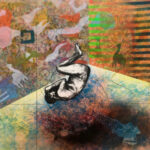
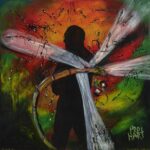
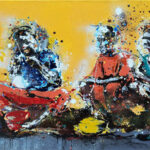
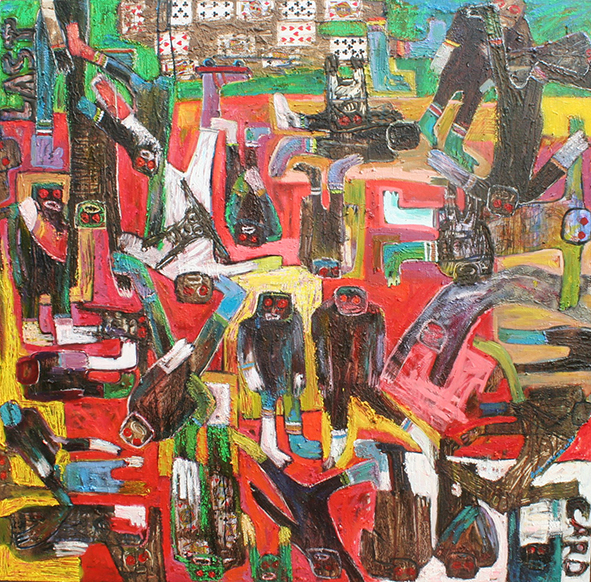
This densely layered painting showcases Bob-Nosa’s unique ability to weave together Nigerian tribal heritage with contemporary urban chaos. The work is an explosion of form and color, featuring abstracted human figures rendered in bold reds, yellows, and earth tones. This vivid palette and these simplified forms resonate deeply with the stylized proportions found in Yoruba wood carvings and masquerade costumes, illustrating a profound connection to the artist’s roots.
Who Is Bob-Nosa?
Bob-Nosa is a contemporary Nigerian artist celebrated for his dynamic fusion of traditional Yoruba visual culture with modern artistic expressions. Born and raised in Lagos, Nigeria, Bob-Nosa has emerged as a prominent figure in the Nigerian art scene. He studied painting at the University of Benin, where he developed a keen understanding of both local traditions and contemporary art practices. His works have been featured in numerous exhibitions, skillfully bridging Nigeria’s rich artistic history with contemporary themes of identity, urbanization, and social commentary.
The Tribal Art That Changed Everything
The cultural undercurrents that influence Bob-Nosa’s work stem largely from the rich legacy of Yoruba sculptural traditions and the visual narratives emerging from the Benin Kingdom. As a child in Nigeria, he was surrounded by the vibrant colors and intricate designs of traditional craft, and the performance aspects of Nigerian masquerade figures left a lasting impact on his artistic sensibility. These encounters with tribal art instilled in him an appreciation for the stories conveyed through form, color, and ritual, igniting a desire to represent these elements in a modern context.
Reading the Influence in the Work
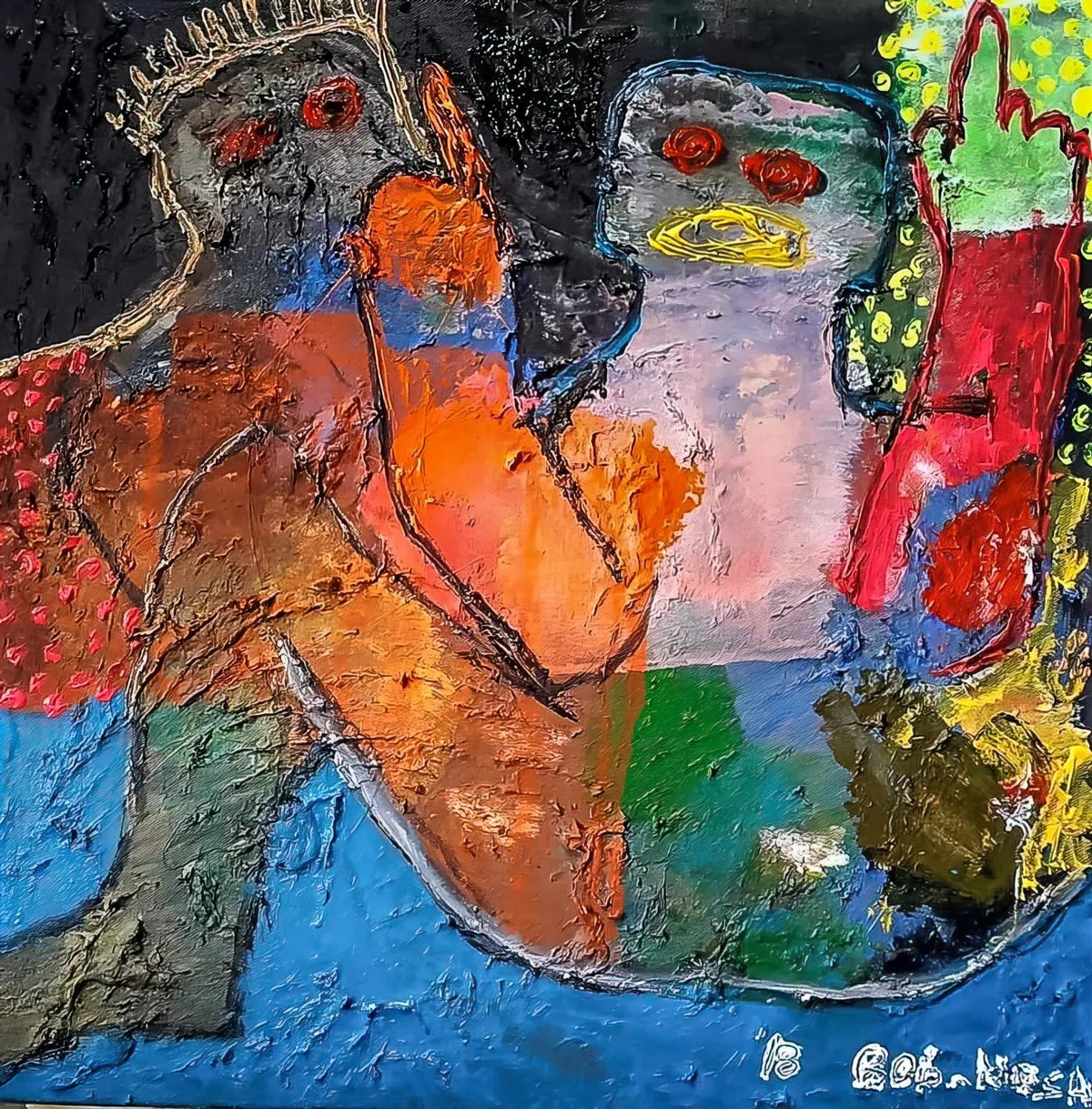
When you observe Bob-Nosa’s painting, you’ll notice how the horror vacui approach resonates in the densely populated canvas, reminiscent of the narrative density characteristic of Benin bronze plaques. The interlocking shapes and figures fill every inch of space, inviting you to explore the complexity of the social issues portrayed. The bold brushwork and mask-like faces open a dialogue with the spiritual energy imbued in ritual objects, encapsulating the essence of Nigerian identity in a contemporary frame. By integrating lessons from Yoruba traditions, Bob-Nosa imbues his canvases with a deeper meaning, encouraging viewers to connect with both the historical and the present. His artistic vision acts as a bridge, leading us through a conversation between cultures.
“Bob-Nosa’s works are not just paintings; they are the narratives of a rich heritage, translated into the contemporary language of our chaotic world.”
This connection between past and present in Bob-Nosa’s work is reflective of a broader cultural dialogue. By engaging with tribal and indigenous art, contemporary artists can challenge perceptions, break social barriers, and foster a deeper understanding of global art. The merging of these rich traditions with modern aesthetics not only brings renewed visibility to Nigerian art but also elevates the voices of cultures often overlooked in mainstream narratives. In a globally connected world, this dialogue further enriches our understanding of art’s capacity for storytelling across boundaries.
Why This Matters
The importance of artists like Bob-Nosa in the global art landscape cannot be overstated. They challenge us to reevaluate our perspectives, urging us to appreciate the complexity and depth behind each brushstroke. By acknowledging the influences of tribal art in contemporary pieces, we foster a greater appreciation for cultural heritage and its continuing resonance within modern expression. Artists who live and work with history create a compelling framework for understanding contemporary issues, thereby weaving together the old and the new in a way that speaks to our shared human experience.
Books & Resources You Might Enjoy
References & Further Reading
Arte tribal comes alive in Bob-Nosa’s work, where he masterfully intertwines Nigerian tribal heritage with contemporary urban chaos. His paintings burst with color and form, drawing inspiration from Yoruba traditions and showcasing a deep connection to his roots.
Affiliate links on this website may generate a small commission at no extra cost to you. This support helps sustain a project dedicated to the beauty and cultural understanding of tribal art.