How André Derain’s Discovery of African Sculpture Ignited the Fauvist Revolution in Color
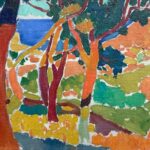
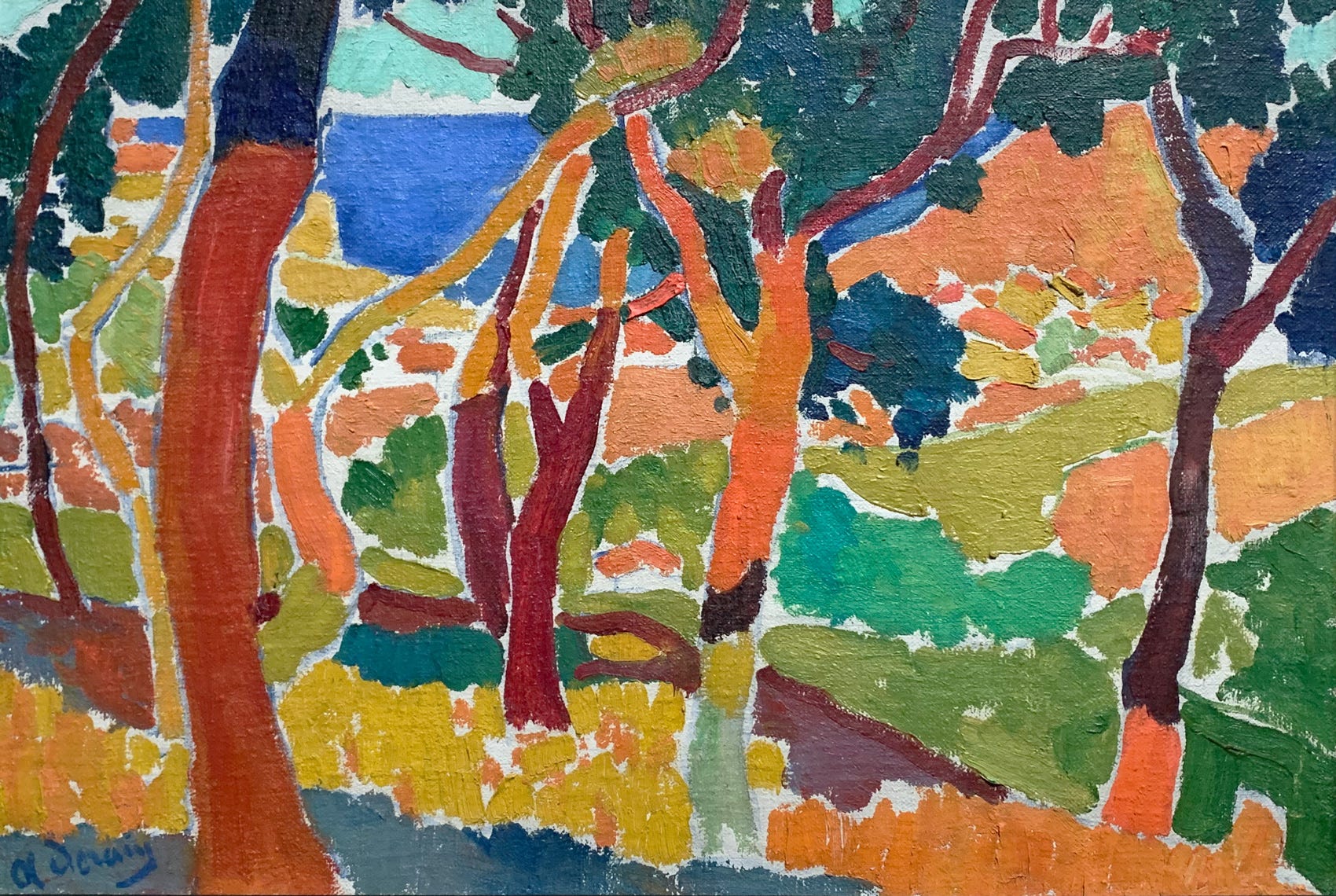
This vibrant Fauvist landscape, with its stylized trees featuring boldly colored trunks in oranges, reds, and burgundies against patches of intense greens, yellows, and blues, is not merely a reflection of André Derain’s artistic genius but a testament to the profound influence of African sculpture on modern art. Derain, a leading figure of the Fauvism movement, harnessed the emotional potency of color and form derived from his encounters with tribal art, particularly the compelling sculptural works from Africa.
Who Is André Derain?
André Derain was born in 1880 in Chatou, France. Initially studying at the Académie Camillo, he later embraced the avant-garde spirit of early 20th-century Paris. Derain quickly became associated with the Fauvism movement alongside Henri Matisse, characterized by the use of vivid colors and bold brushstrokes to convey emotional depth. With a background in more traditional art forms, his adventurous process led him to push boundaries, ultimately shaping what we define as modernist painting today. His groundbreaking pieces challenge the viewer’s engagement with color and composition, creating a new artistic lexicon that resonated well beyond his lifetime.
The Tribal Art That Changed Everything
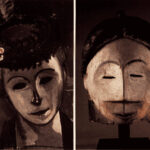
Derain’s encounter with African sculpture, particularly during his visits to the Musée d’Ethnographie du Trocadéro in Paris, opened his eyes to new possibilities in art. The museum’s collection included extraordinary examples of Fang, Baule, and Dan masks and figures, which were marked by their stylized forms and expressive qualities. In a time when Western art was increasingly grappling with the constraints of realism, the powerfully simplified shapes and intense colors of these sculptures invited artists like Derain to reconsider their approach to aesthetic expression. He and fellow Fauves transformed this inspiration into a dialogue between cultures, significantly broadening the horizons of Western art.
Reading the Influence in the Work
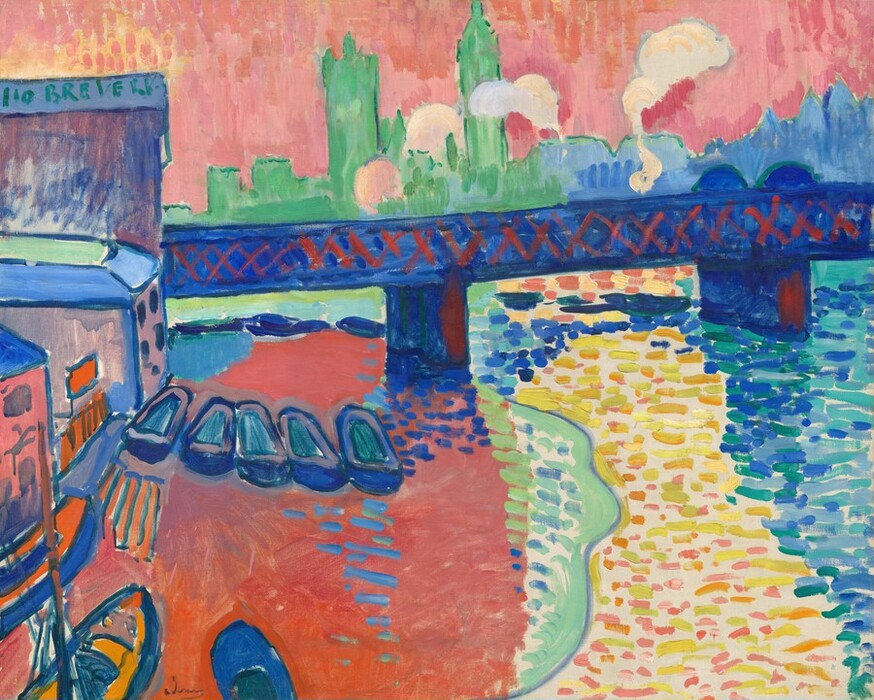
In the series of Fauvist landscapes tied to his African influences, you can witness how Derain seamlessly integrates the tenets of tribal art into his works. The flattened forms within his landscapes echo the three-dimensionality of African sculptures, with the arrangement of subjects creating a striking, emotional immediacy that transcends mere representation. The rejection of naturalistic color in favor of emotional impact is noticeable; for example, he employed vibrant hues not to mimic nature but to evoke feelings of joy, passion, and energy. The essence of African art manifests in how these expressive forms are prioritized over classical Western illusionism, bringing a fresh vitality to contemporary painting.
“In the simplification and boldness of color, we see the spirit of African art transform the modern canvas into a vibrant celebration of life.”
Why This Dialogue Between Cultures Matters
This dialogue between Derain’s work and African sculptural traditions is crucial for understanding the broader significance of cross-cultural influences in art history. By recognizing how this primal energy of tribal art informed Western modernism, we can appreciate the layers of inspiration that shape artistic practice. Furthermore, this exchange highlights how powerful narratives in art can originate not from one culture, but from the vibrant intersections that occur when artists are open to influences from around the world. This recalibration of perspective acknowledges the intrinsic value of tribal art as a source of innovation, rather than as a relic of the past.
As we explore these connections, we are reminded that art has always been a universal language, flourishing through dialogue. The contributions of artists like André Derain, who have bridged cultural divides, invite us to engage with—rather than merely observe—the art of others, fostering a deeper appreciation and understanding of the global artistic landscape.
Books & Resources You Might Enjoy
- Paul Gauguin: A Journey to Tahiti (Adventures in Art)
- Primitivism in Modern Art
- The Land Carries Our Ancestors: Contemporary Art by Native Americans
References & Further Reading
Image courtesy of: André Derain / www.ebsco.com — www.ebsco.com
Affiliate links on this website may generate a small commission at no extra cost to you. This support helps sustain a project dedicated to the beauty and cultural understanding of tribal art.