How Onyis Martin Bridges Cameroonian Tribal Heritage with Contemporary African Art
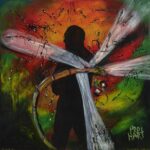
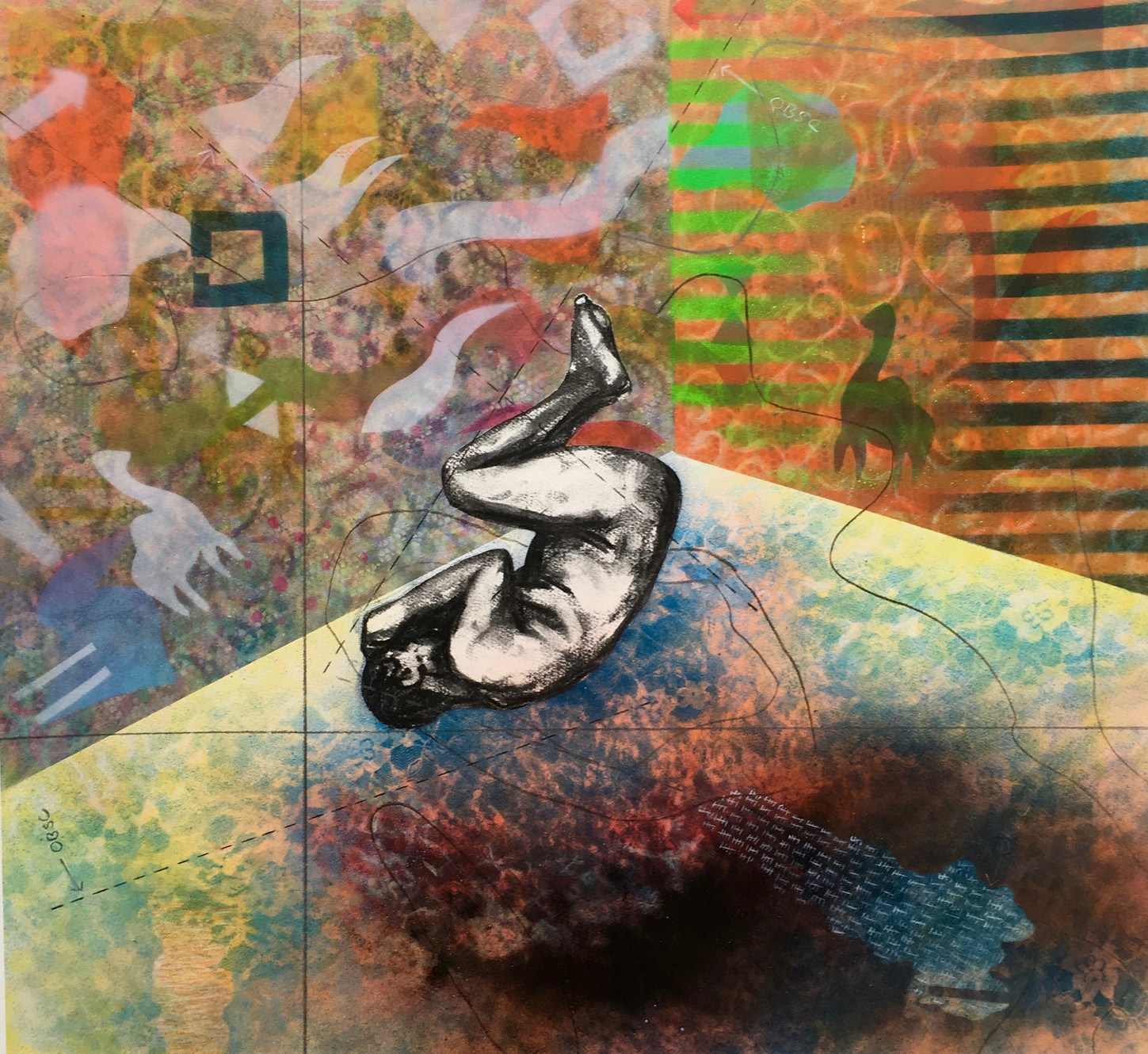
In the vibrant landscape of contemporary African art, Onyis Martin emerges as a notable figure who beautifully intertwines his Cameroonian tribal heritage with modern artistic expression. His mixed media work, which presents a central figure in a vulnerable pose against a rich backdrop, draws directly from the traditional aesthetics of the Bamileke and Bamum peoples, capturing the essence of ancestral narratives while pushing the boundaries of contemporary art. This fusion of forms signifies a dialogue between past and present, where the vitality of tribal motifs infuses contemporary practice with depth and meaning.
Who Is Onyis Martin?
Onyis Martin is a contemporary Cameroonian artist known for his innovative use of mixed media and deep engagement with tribal traditions. Born and raised in the culturally rich environment of Cameroon, Martin’s art reflects a commitment to exploring and celebrating his roots. He often highlights themes related to identity, memory, and the socio-political narratives that resonate within African communities. His works have been showcased in numerous exhibitions, claiming space for African heritage in a modern context. As a postcolonial artist, Martin grapples with the complexities of cultural representation and the continuing impact of history on contemporary identity.
The Tribal Art That Changed Everything
Martin’s artistic journey is anchored in the rich heritage of Cameroonian tribal traditions, particularly those of the Bamileke, Bamum, and Grasslands peoples. These cultures are known for their elaborate artwork, including sculpture, textiles, and vibrant ceremonial masks that tell stories of identity, ancestry, and community. Martin’s engagement with these traditions is not merely a nostalgic reverence for the past; rather, it is a conscious effort to re-contextualize and re-interpret these elements within a contemporary framework.
His encounters with tribal art likely began during his formative years in Cameroon, where the visual landscape is punctuated by traditional art forms and practices. The Bamileke’s ndop cloth, infused with geometric patterns and vibrant colors, serves as a significant source of inspiration for Martin. Recognizing the dialogue between these traditional forms and modern aesthetics, Martin brings an intricate layering of narratives to his work, emphasizing that art continuously evolves while remaining rooted in its ancestral history.
Reading the Influence in the Work
In examining Martin’s mixed media piece, you can observe how the influences of Cameroonian tribal aesthetics are eloquently interwoven throughout the composition. The powerful central figure, presented in a monochromatic palette, conveys a sense of vulnerability—a theme commonly explored in African storytelling, representing the human condition amid life’s challenges. Surrounding this figure, the earthy hues of ochre, green, and blue form a textured background reminiscent of the natural landscapes of Cameroon, grounding the work in its geographic origins.
Moreover, the silhouetted animal forms echo the cave paintings found in Cameroon, where animals are depicted in powerful representations of life, spirituality, and community. This allusion not only honors the artistic legacy of the past but also imbues the work with a sense of dialogue between species and humanity. The geometric elements and striped motifs connect directly to the iconic designs of Bamileke ndop cloth and royal iconography, revealing how deeply entrenched tribal aesthetics inform Martin’s contemporary vision.
“Through my art, I strive to honor the vibrant stories of my ancestors while inviting the viewer to engage with the narratives of our shared human experience.”
Ultimately, Martin’s textural layering technique mirrors the narrative depth traditionally found in African art, where each layer adds complexity to the storytelling process. Such techniques elevate his work, transforming it into a multi-dimensional experience that requires engagement and reflection from the viewer. It is a powerful testament to how indigenous traditions can shape modern artistry, creating a bridge between cultures and time.
Why This Dialogue Between Cultures Matters
The significance of Onyis Martin’s work extends beyond individual expression; it serves as an important commentary on the broader art historical narrative. In a postcolonial context, Martin’s engagements with Cameroonian tribal art challenge established perceptions and invite a deeper understanding of African contributions to global art history. The fusion of traditional and contemporary elements not only promotes appreciation for cultural heritage but also empowers African artists to reclaim their narratives and present them on their terms.
By showcasing the beauty of tribal influences within a contemporary framework, artists like Martin foster connections and dialogues across cultures. In a world that is often defined by divisions, art has the potential to serve as a unifying force. It encourages audiences—whether they are familiar with African art or encountering it for the first time—to look beyond surface representations and engage with the profound narratives that shape human experience.
Final Thoughts
Onyis Martin’s work presents a compelling case for the continued relevance of tribal storytelling in contemporary art. By bravely melding traditional Cameroonian motifs with modern techniques, he not only honors his heritage but also paves the way for future dialogues across cultures. His art exemplifies the dynamic nature of creativity, reminding us that the threads of the past are woven into the very fabric of our present and future artistic expressions.
Books & Resources You Might Enjoy
- Paul Gauguin: A Journey to Tahiti (Adventures in Art)
- Primitivism in Modern Art
- The Land Carries Our Ancestors: Contemporary Art by Native Americans
References & Further Reading
Image courtesy of: Onyis Martin / www.sitges.cat — www.sitges.cat
Affiliate links on this website may generate a small commission at no extra cost to you. This support helps sustain a project dedicated to the beauty and cultural understanding of tribal art.