How André Derain’s Discovery of African Sculpture Ignited the Fauvist Revolution in Color
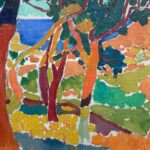
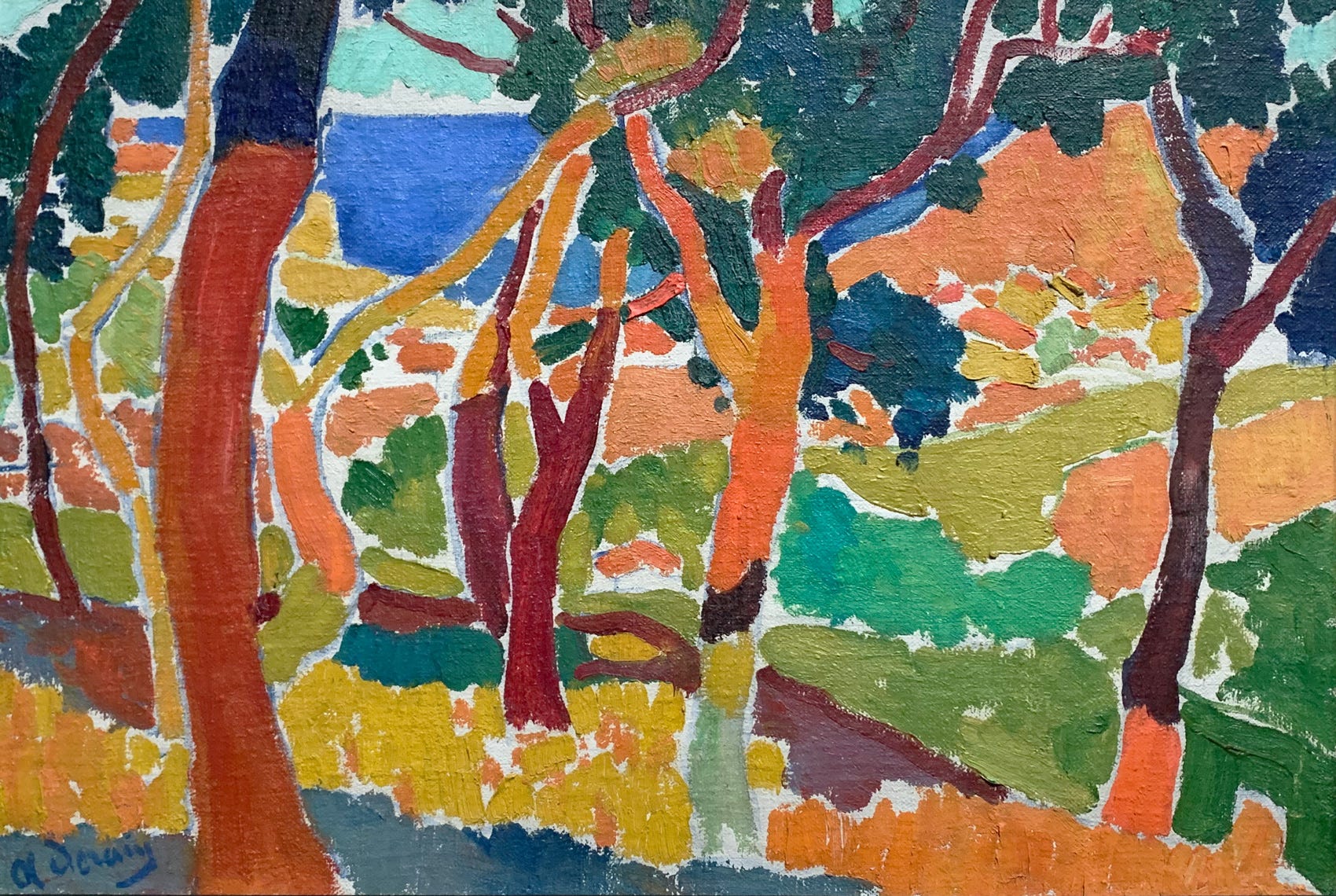
This vibrant Fauvist landscape, replete with stylized trees boasting boldly colored trunks in oranges, reds, and burgundies, draws you into a unique fusion of Western modernity and African artistic heritage. André Derain’s work demonstrates the profound influence of African sculpture on his creative approach, as he employs intense colors and simplified forms to convey emotional depth. This transcends mere representation, inviting the viewer to engage with art in a wholly new manner, reflecting the power of tribal art as a catalyst for innovation in Western art traditions.
Who Is André Derain?
André Derain (1880–1954) was a pivotal figure in the development of Fauvism, a radical art movement that emerged in the early 20th century. Born in chatou, France, he initially studied architecture before fully immersing himself in painting. Derain’s early works were shaped by the Impressionist influence, but his encounter with the vivid colors and abstract forms of African art fundamentally altered his trajectory. Alongside Henri Matisse, he became known as one of the leaders of the Fauves, artists who exploited color for emotional expression rather than naturalistic representation. Derain’s travels to Paris and his connections with various art circles exposed him to artworks that would inspire his adventurous approach to color and form.
The Tribal Art That Changed Everything
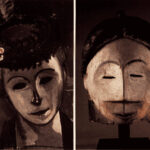
Derain’s discovery of African sculpture, particularly during visits to the Musée d’Ethnographie du Trocadéro, opened a gateway into a diverse range of cultures, particularly those of the Fang, Baule, and Dan peoples. These artworks—a collection of masks and figures marked by stylized forms and rich colors—offered new avenues for exploration in both artistic language and emotional resonance. The way these sculptures prioritized expressive force over realistic depiction spoke to Derain, urging him to strip down and reinterpret his approach to landscape painting. This connection was not merely about aesthetics; it represented a pivotal moment in which traditional tribal art began to influence Western modern art, sparking a revolution in how artists viewed form, color, and expression.
Reading the Influence in the Work
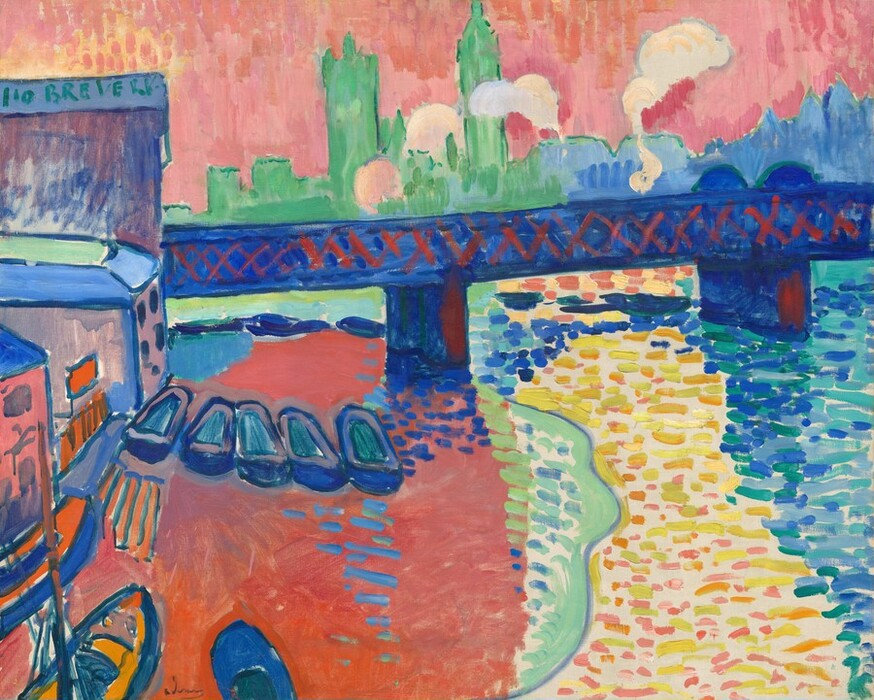
In examining Derain’s Fauvist paintings, particularly those created during the peak of his engagement with African art, you can identify notable parallels. The flattened forms and the audacious use of color in his landscapes are visual markers of this influence. For instance, the bold colors—intensely vibrant oranges, reds, and deep greens—are a direct response to the vivid palettes found in African masks and sculptures. Instead of adhering to the Western tradition of illusionism, which sought to create depth and lifelike representations, Derain embraced a flattened space that shows his newfound appreciation for the power of stylization, reminiscent of the traditional craft of African artists.
“In the vibrant echoes of tribal art, we find a revolutionary language of color, expressing emotions that transcend time and culture.”
This use of color for emotional impact, rather than for representational accuracy, mirrors how African carvers prioritized expressive strength and feelings, rather than adhering to the Western norms of beauty and realism. Derain’s landscape paintings, thus, become a vivid dialogue between these disparate cultures, blending the vitality of African expression with Derain’s own ingenuity and emotional depth. The result is not mere imitation but a genuine encounter that reshapes perceptions of art.
Why This Dialogue Between Cultures Matters
The conversation initiated by Derain and his contemporaries with African art holds broader significance within art history and cultural appreciation. By drawing from tribal influences, Western artists challenged and expanded their artistic vocabularies, setting the stage for modernism and expressionism. This embrace of diversity not only enriched the visual landscape of early 20th-century art but also created a lens through which we can appreciate the interconnectedness of global cultures. The fusion of African aesthetic principles with Western art serves as a reminder of how cultural exchange can breathe new life into artistic practices, inviting greater understanding and respect for the rich traditions of indigenous peoples.
The Bigger Picture
In looking at André Derain’s work as a reflection of tribal art influences, we are not only observing the evolution of individual creativity but also witnessing an essential dialogue between cultures. This exploration offers us a more profound appreciation of art as a universal language that transcends geographical boundaries and historical contexts. As we continue to engage with such dialogues today, we enrich our understanding of both the past and the future of artistic expression.
Books & Resources You Might Enjoy
- Paul Gauguin: A Journey to Tahiti (Adventures in Art)
- Primitivism in Modern Art
- The Land Carries Our Ancestors: Contemporary Art by Native Americans
References & Further Reading
Image courtesy of: André Derain / www.ebsco.com — www.ebsco.com
Affiliate links on this website may generate a small commission at no extra cost to you. This support helps sustain a project dedicated to the beauty and cultural understanding of tribal art.