Henna: A Playful Gateway to Culture for Kids
Henna, a time-honored tradition often linked to significant ceremonies, is now finding its way into the hands of children. This ancient art form, primarily used for body decoration during weddings and festivals, is being reimagined as a playful and educational tool for youngsters. By exploring cultural heritage through henna for children, families are discovering a fun and engaging way to connect with rich traditions while promoting creativity and self-expression.
Transforming Tradition into Play
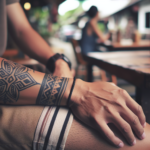
In many cultures, henna is not just a decoration; it symbolizes joy and celebration. Today, parents are encouraging their children to experiment with henna designs, allowing them to express their individuality and creativity without the permanence of traditional tattoos. This playful approach not only makes henna accessible but also serves as a bridge to teach children about their cultural roots and the significance behind the art form.
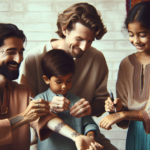
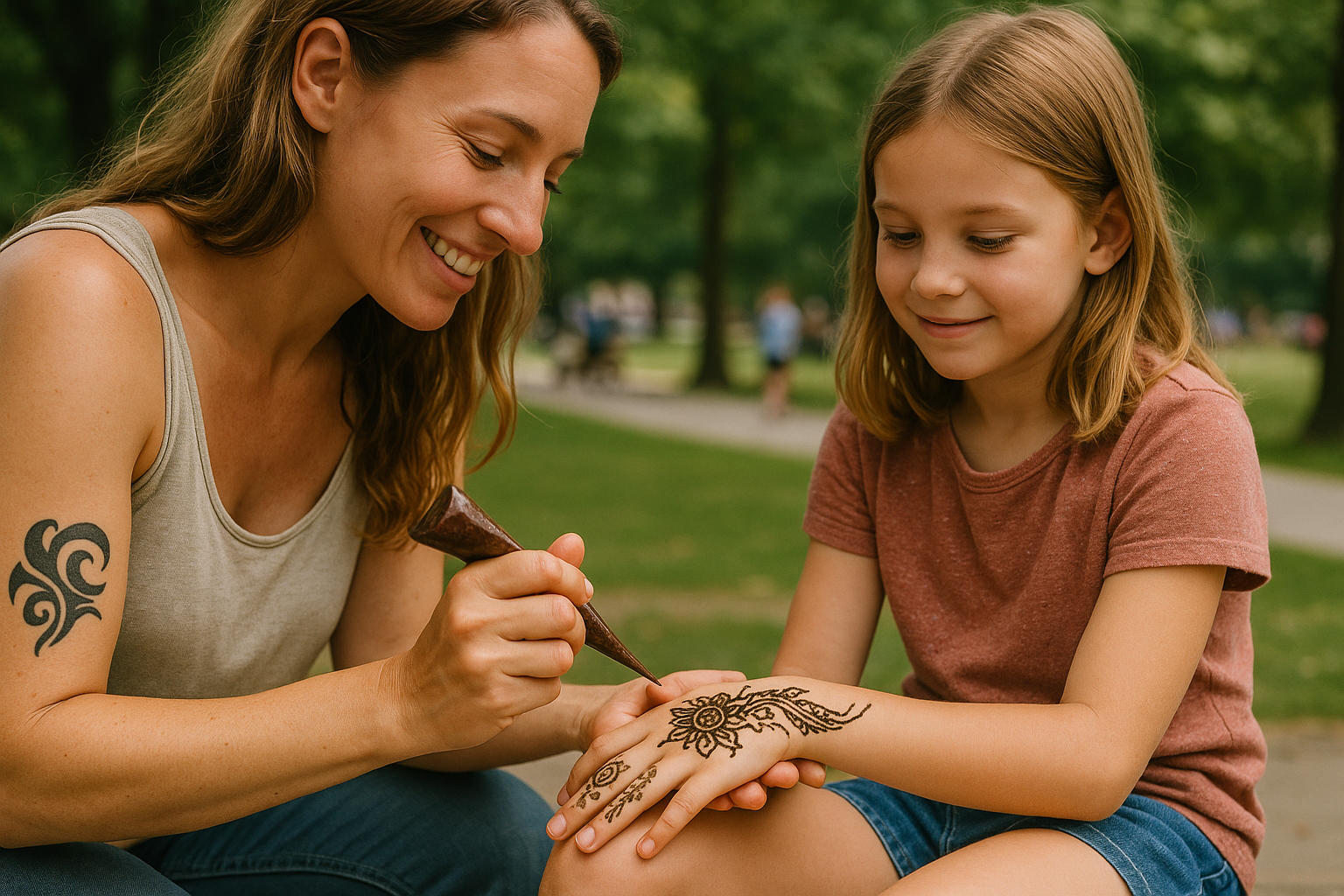
Workshops and community events focused on henna for children are popping up, where experienced artists guide kids through the process of creating their own designs. These gatherings foster a sense of community and shared experience, enabling children to appreciate the artistry involved while learning about various cultural practices. In this sense, henna becomes much more than just an art form; it transforms into a tool for cultural education that is both enjoyable and meaningful.
“By introducing henna to children, we’re not just teaching them about art; we’re connecting them to their cultural heritage in a way that is fun and engaging.”
Education Meets Creativity
The shift to using henna as a playful artistic outlet for children also highlights a broader trend in how cultural heritage is being adapted for modern family fun. Parents recognize the importance of instilling a sense of cultural awareness in their children, and henna provides an ideal medium to do so. As kids draw intricate patterns on their hands, they learn not just about the designs themselves but also the historical and cultural narratives that accompany them.
This fusion of education and creativity can inspire conversations within families about identity, history, and the significance of cultural practices, allowing children to appreciate their heritage in a contemporary context.
Want to explore this further? Read our full article: Safe Body Art for Kids: Non-Toxic Tribal Designs and Activities
The Bigger Picture
As henna continues to evolve from its ceremonial roots into a playful art form for children, it opens doors to cultural exploration and learning. This adaptation not only preserves the ancient practice but also ensures that future generations appreciate and engage with their cultural heritage in innovative ways.