Pablo Picasso: Tribal Art, Culture and Vision
Tribal art played a pivotal role in shaping Pablo Picasso’s innovative approach to modern art. Imagine stepping into his Parisian studio, where vibrant colors and radical ideas collided, influenced by the rich heritage of tribal cultures.
Their Work with Tribal Art
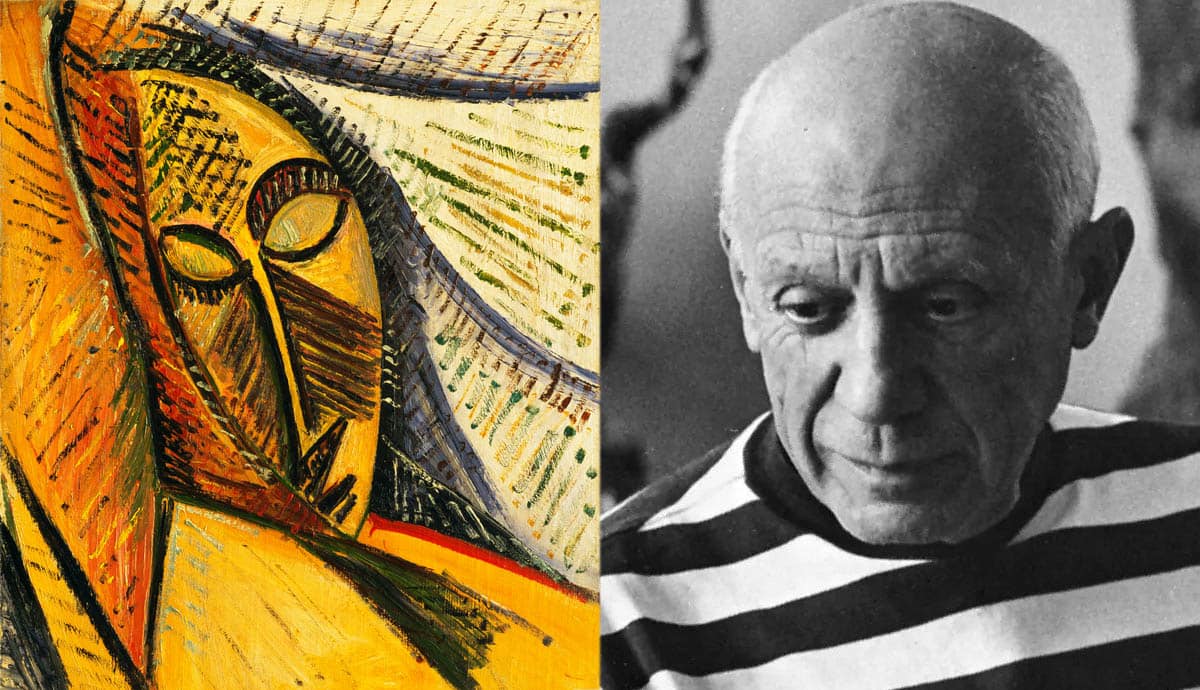
Picasso’s engagement with tribal art, particularly the forms and masks of Africa, marked a pivotal moment in his artistic journey. His discovery of these ancestral traditions came during a time when Europe was grappling with its own identity, and the raw energy of African art resonated deeply with him. You see, he was captivated by the primitive beauty, the bold forms, and the emotions captured in these masks. This inspired him to introduce similar forms into his own work, leading to the creation of a new visual language characterized by abstracted shapes and dynamic lines. It is a dialogue between cultures, reflecting both admiration and a complex web of influence that would lay the groundwork for the revolutionary movement known as Cubism.
Key Works and Projects
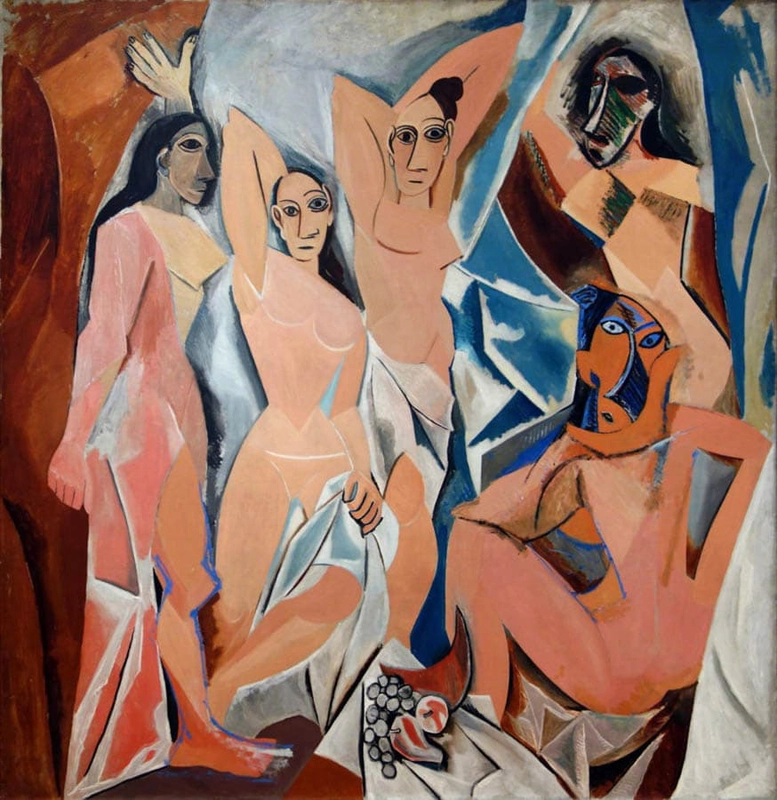
One cannot talk about Picasso without mentioning his seminal painting, Les Demoiselles d’Avignon, created in 1907. This work is a profound testament to his engagement with tribal aesthetics, showcasing angular forms and faces reminiscent of African sculptures. The painting shocked the art community, not only for its radical departure from traditional representation but for the way it incorporated the very essence of tribal forms into the fabric of modern art. Another project worth exploring is his frequent collaboration with the Ballets Russes, where he designed sets and costumes that further merged tribal motifs with the avant-garde vision of early 20th-century performance art.
Why Their Work Matters Today
Picasso’s incorporation of African and tribal elements was revolutionary, urging a reevaluation of cultural exchange and representation in art. His work invites us to question the boundaries between cultures and see how they can inspire one another – something that resonates deeply in our increasingly globalized world. By bringing tribal motifs into the limelight, Picasso not only honored these traditions but also encouraged a dialogue between the ‘primitive’ and the ‘modern,’ challenging viewers to see beauty in diversity. Today, his legacy continues to guide contemporary artists in their exploration of identity and connection, making his contributions all the more relevant in a world where cultural appreciation should be celebrated over appropriation.
Further Reading & Resources
- Wikipedia: Pablo Picasso
- https://www.thecollector.com/why-did-picasso-like-african-masks/
- https://www.thecollector.com/picasso-and-african-art/
Final Thoughts: Pablo Picasso’s trajectory offers an enriching glimpse into how art can transcend geographical and cultural barriers, paving the way for ongoing dialogue and creativity. His journey reminds us to always be curious about the origins of inspiration and how varied traditions can come together to shape our understanding of beauty and expression in art.