African Tribal Culture: Traditions Rituals and Identity
Did you know that Africa is home to an estimated 3,000 distinct ethnic groups and over a thousand languages? This incredible diversity means that African tribal culture is one of the richest and most vibrant expressions of humanity. Each tribe offers its own unique perspective through customs, beliefs, and artistic traditions that are passed down through generations. If you’ve ever felt the urge to learn more, you’ll find that delving into African tribal culture not only broadens your understanding of the continent but also celebrates its powerful identity and heritage.
Roots of Identity: Understanding African Tribal Traditions
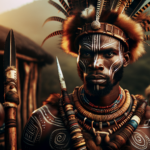
At the heart of African tribal culture lies a profound connection to heritage and identity. Each tribe, be it the Maasai of Kenya, the Zulu of South Africa, or the Himba of Namibia, has cultivated its traditions embedded in history. These practices define the tribe’s character and foster a strong community spirit. For instance, the vibrant beadwork of the Maasai isn’t just decorative; it’s symbolic, conveying messages about social status, marital status, and even age.
Take the Zulu culture, for example. The Zulu people have a rich oral tradition featuring storytelling as a means of preserving history. Through songs, dances, and rituals, stories about gods, ancestors and epic battles come alive, bridging the past and the present. Engaging with these narratives, whether through a book on African tribal culture or a community gathering, you’ll discover layers of meaning that cement identity and impart values. If you are curious to explore these narratives deeper, I recommend picking up the African Tribal Culture Book to dive into the heart of these traditions.
Rituals: Life’s Markers within African Ethnic Culture
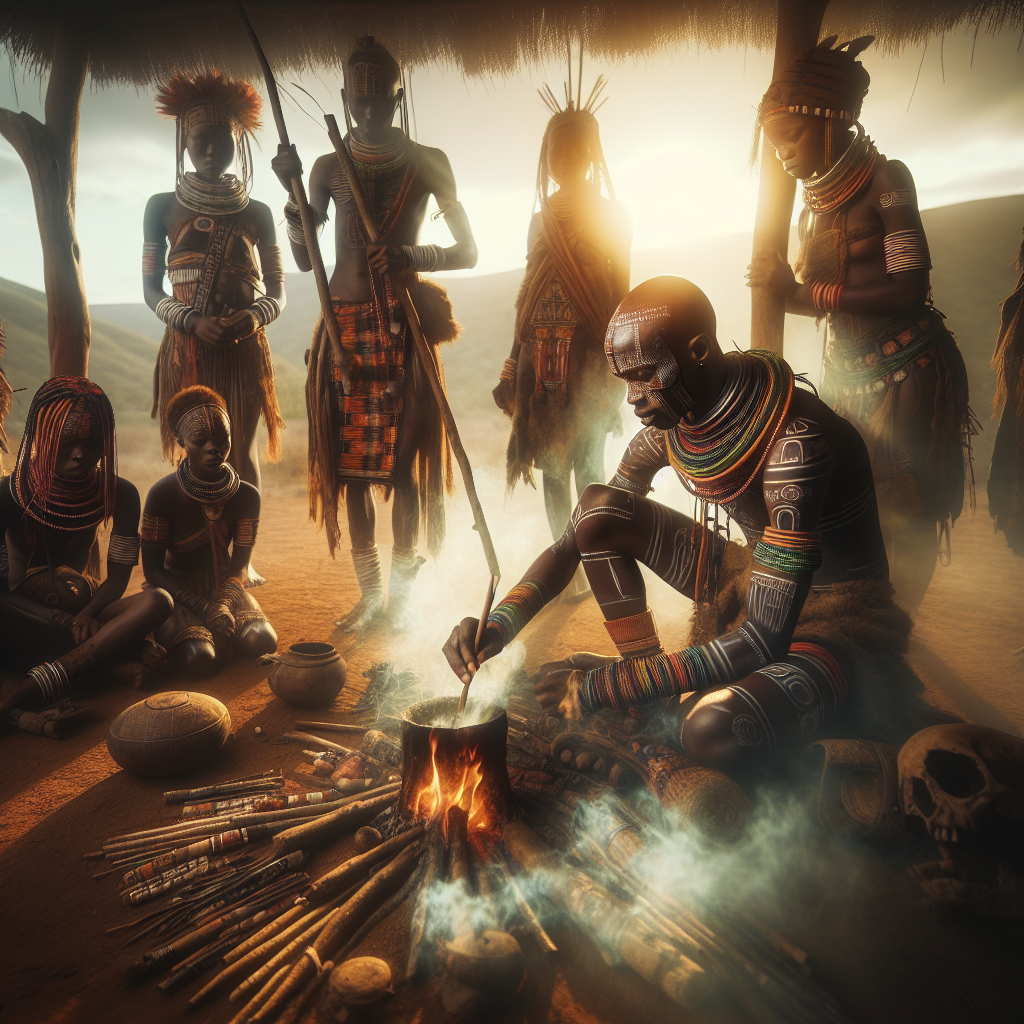
Rituals play a significant role in African tribal culture, serving as key transitions in life from birth to death. For many tribes, ceremonies are essential for marking milestones. The Himba people, for instance, have specific rites of passage for their youth that involve both the community and the family. The elaborate rituals signify maturity and the acceptance into adulthood, representing values of respect and continuity.
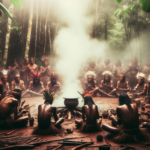
These ceremonies are often accompanied by significant artistic expressions—dancing, drumming, and traditional outfits crafted from vibrant fabrics. When you witness these rituals, you cannot help but feel the palpable energy that binds everyone together. It’s a collective celebration steeped in meanings far beyond the moments themselves, echoing beliefs and connections formed over centuries.
The Influence of Art in African Tribal Culture
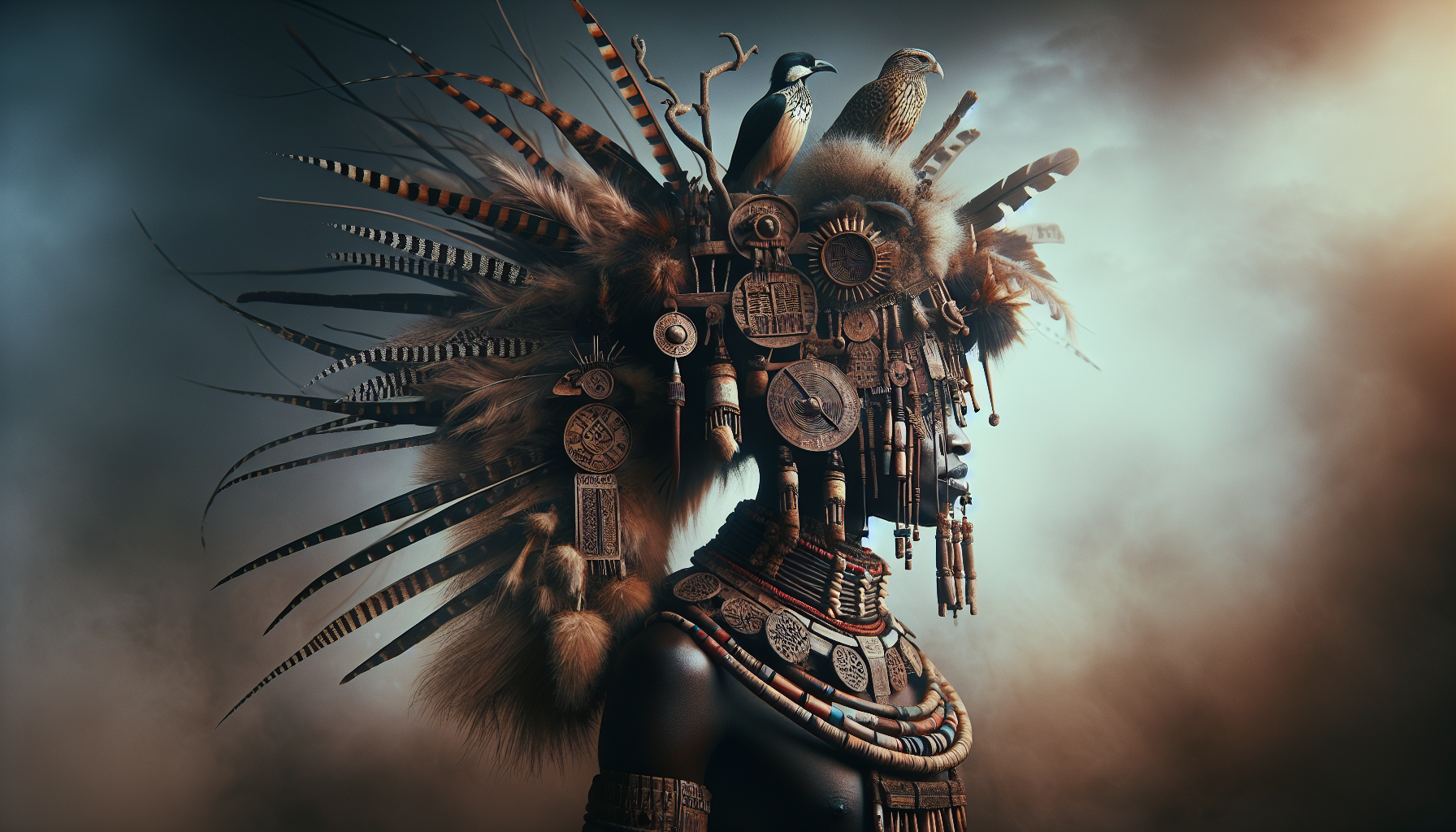
Art in African tribal culture is not merely a form of expression but an essential vehicle of communication. It reflects social issues, personal experiences, and spiritual beliefs. Take the impressive wooden masks used in ceremonies; these masks are often adorned with colorful designs that carry significant cultural meanings. Many tribes believe that these masks allow spirits to communicate with the living. For example, the Bamileke of Cameroon have magnificent masks that distinguish tribal leaders and signify their position within the community.
When it comes to exploring this artistic realm, you might find inspiration in the book Tribal Cultures of the World, which showcases various expressions of tribal art across continents, including Africa. It provides context and a deeper appreciation for the art that resonates with the heart of the culture.
Cultural Preservation: Keeping Traditions Alive
In a rapidly modernizing world, many tribes face challenges to preserve their traditional practices. However, there is a growing movement among tribes of Africa to revitalize and celebrate their cultures. Festivals, cultural fairs, and workshops are just a few of the ways that communities are sharing their heritage with the wider world and ensuring that younger generations take pride in their identity.
For instance, the annual Festival of the Bantu in Mozambique celebrates traditional music and dance. It helps people connect with their ancestors, reminding all attendees of their roots while embracing modern influences. Similarly, attending these events offers a first-hand experience of African ethnic culture, giving you an opportunity to learn, listen, and engage.
Traveling Through the Heart of African Tribal Culture
If you’re pondering a journey into the rich landscapes of Africa, consider visiting areas deeply rooted in tribal traditions. Places like the Serengeti in Tanzania, home to the Maasai people, offer unique cultural experiences that immersively blend breathtaking scenery with tribal life. You can stay in traditional Maasai villages, participate in daily rituals, and experience the magnificent wildlife that coexists with these communities.
It’s essential to travel respectfully; learning about local customs and practices will enhance your experience tremendously. Your genuine interest in their culture can foster meaningful exchanges, creating memories that you carry long after your travels are done. So, grab a guidebook tailored to tribal cultures before setting out, or perhaps check out works like the Polynesian Culture and History Book to draw parallels from other regions enriched with tribal history.
Interconnections Between Cultures
Interestingly, while African tribes are diverse, they share certain overarching themes in their cultures, such as storytelling, respect for nature, and community bonding—values that resonate globally. Whether it’s through the intricate crafts of the San people in the Kalahari Desert or the vigorous dance ceremonies of the Yoruba, you’ll find similarities with other tribal cultures worldwide, including Native American and Polynesian traditions. Learning about these connections can foster mutual respect and enrich our understanding of global human heritage.
If you’re interested in this fascinating interplay, I suggest delving into the Native American Tribal Culture Book. Exploring parallels across cultures can deepen your appreciation of the uniqueness and shared values present in tribal practices around the world.
Final Thoughts
Exploring African tribal culture invites all of us into a world filled with storytelling, artistry, musicality, and deep-seated traditions. There’s a beauty in every ritual, a lesson in each design, and a story behind every dance that resonates on so many levels. Venturing into this world not only enriches your life but also fosters a greater understanding of humanity as a whole. Whether through travel, participating in events, or reading insightful literature, I encourage you to explore these vibrant cultures and appreciate the common threads that weave us together across time and space.
If you ever find yourself with questions about tribal culture or want a deeper dive into the magnificent tapestries of cultures across the globe, don’t shy away from reaching out. Your excitement and enthusiasm about understanding tribal traditions can truly make a difference.
Affiliate links on this website may generate a small commission at no extra cost to you. This support helps sustain a project dedicated to the beauty and cultural understanding of tribal art.