Indigenous Peoples and Their Living Traditions
Did you know that there are over 370 million Indigenous peoples across the globe, with thousands of unique cultures and traditions? It’s fascinating how each group has developed its own distinctive identity shaped by its environment, history, and belief systems. The vibrancy of indigenous peoples’ traditions offers us a window into the hearts and souls of communities that often operate on the fringes of modern society. Join me in exploring the rich world of indigenous cultures and the ways their traditions are woven into the fabric of everyday life.
The Essence of Indigenous Traditions
When we talk about indigenous peoples traditions, we are referring to a tapestry of customs, rituals, and practices that are passed down through generations. These traditions are not just relics of the past; they are vibrant and alive, reflecting the values and worldviews of Indigenous peoples. Take for example the Native American tribes of North America. Their connection to the land is evident in their seasonal ceremonies, such as the Green Corn Festival, which celebrates the harvest and gratitude for nature’s bounty. Each dance, song, and offering expresses respect for the earth and is steeped in ancestral wisdom.
Similarly, in the Amazon rainforest, indigenous tribes practice rituals that reinforce their relationship with the flora and fauna surrounding them. From the Yawanawá’s traditional healing practices to the intricate body paintings of the Ticuna, every gesture tells a story. Engaging with these traditions opens a pathway to understanding how indigenous peoples perceive their place in the world, often in sharp contrast to our modern, hustle-and-bustle lifestyles. If you’re keen to dive deeper into the intricacies of such cultures, consider checking out the Tribal Cultures of the World Book, which beautifully details the rich tapestry of indigenous societies.
Indigenous Culture: A Living Heritage
At the core of indigenous culture is the belief that traditions are not static; they evolve in response to changing environments and societal influences. This adaptability is evident in the ways rituals have incorporated contemporary elements while maintaining their fundamental essence. For example, many Indigenous tribes now blend traditional songs and dances with modern music during celebrations, creating a unique fusion that honors their heritage while appealing to younger generations.
Take the Māori of New Zealand, for instance. Their haka, traditionally performed to challenge opponents or welcome guests, has gained global recognition, transcending its original context. Indigenous peoples traditions like these illustrate the interplay between preserving cultural identity and embracing change. It’s a dance of continuity and innovation that keeps their vibrant cultures alive.
Rituals: The Heartbeat of Indigenous Communities
Indigenous rituals are a particularly enchanting aspect of their traditions. These practices encompass religious ceremonies, rites of passage, healing practices, and communal gatherings. In the Australian outback, for instance, the Yolŋu people conduct elaborate ceremonies like the Galtha to honor the spirits of ancestors and maintain the interconnection between the living and the dead. Through storytelling, music, and art, they pass down knowledge and sustain their cultural identity.
Exploring these rituals allows us to appreciate the profound significance they hold within each community, often tied to land, kinship, and spirituality. Indigenous rituals are not merely ceremonial—they are sources of strength and resilience that foster community bonds. By experiencing these traditions firsthand, you can truly connect with the spirit of the land and its people. For a captivating read on this topic, the African Tribal Culture Book richly outlines the practices of various tribes, offering insights that may inspire your own journey.
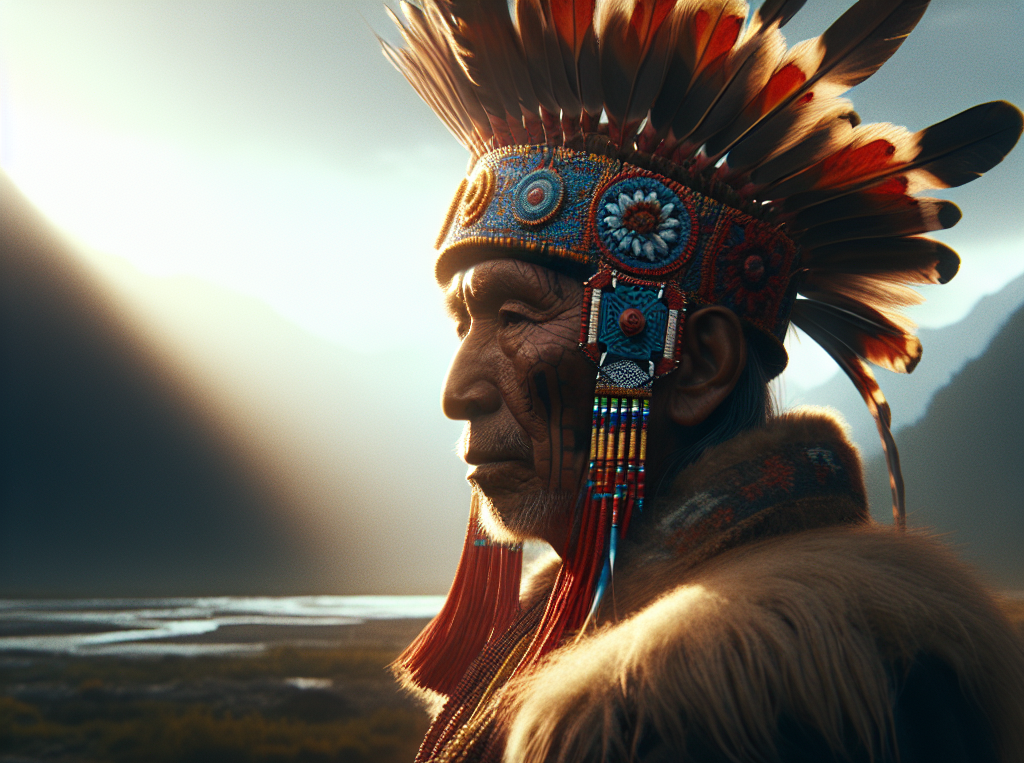
Learning Through Travel: Engaging with Indigenous Traditions
One of the best ways to truly appreciate indigenous cultures is by traveling to their lands and participating in their traditions. Whether you’re joining a community feast with the Sámi of Scandinavia or attending a traditional dance in Hawaii, such experiences are transformative. Each place you visit holds a story that adds depth to understanding indigenous peoples’ traditions.
As you explore, be mindful of your role as a visitor. Engaging respectfully allows you to enjoy these experiences while upholding indigenous values. Some organizations even facilitate authentic connections between travelers and local communities, enhancing the significance of your journey. If you’re enthralled by Polynesian culture, it might be a good idea to grab the Polynesian Culture and History Book, which dives into this beautifully diverse region and its customs.
Final Thoughts
Our world is a mosaic of incredible cultures, and indigenous peoples and their living traditions are a vital piece of that puzzle. Their stories, rituals, and ways of life remind us of the importance of connection—be it to the earth, each other, or our heritage. By learning about, appreciating, and supporting indigenous cultures, we participate in a vital act of recognition and respect. So, are you ready to delve deeper into the rich tapestry of indigenous peoples traditions and discover the countless beautiful experiences awaiting you? Let’s take this journey together, hand in hand with our brothers and sisters from around the globe.
Affiliate links on this website may generate a small commission at no extra cost to you. This support helps sustain a project dedicated to the beauty and cultural understanding of tribal art.