The Thracians: Rediscovering the Ancient Tribal Culture of the Balkans
Imagine standing on a sun-drenched hillside in Bulgaria, surrounded by whispers of an ancient world. You’re enveloped in the scent of wild herbs and the distant sound of a river cascading over stones. Here, the echoes of the Thracians—an enigmatic tribe that flourished in the Balkan region—are more than just remnants of history; they are vibrant threads woven into the fabric of modern Balkan life. If you’ve ever been curious about the rich tapestry of Thracian culture, you’re in for a treat as we uncover the amazing history and traditions of this incredible civilization.
A Glimpse into Thrace’s History
The land of Thrace encompasses parts of present-day Bulgaria, Greece, and Turkey, and its history is as layered as the artifacts left behind. Thracians were known for their exuberant music, intricate dance, and a deep connection to their natural surroundings. While their written records are scarce, their vibrant oral traditions and archaeological discoveries provide us with glimpses into their lives.
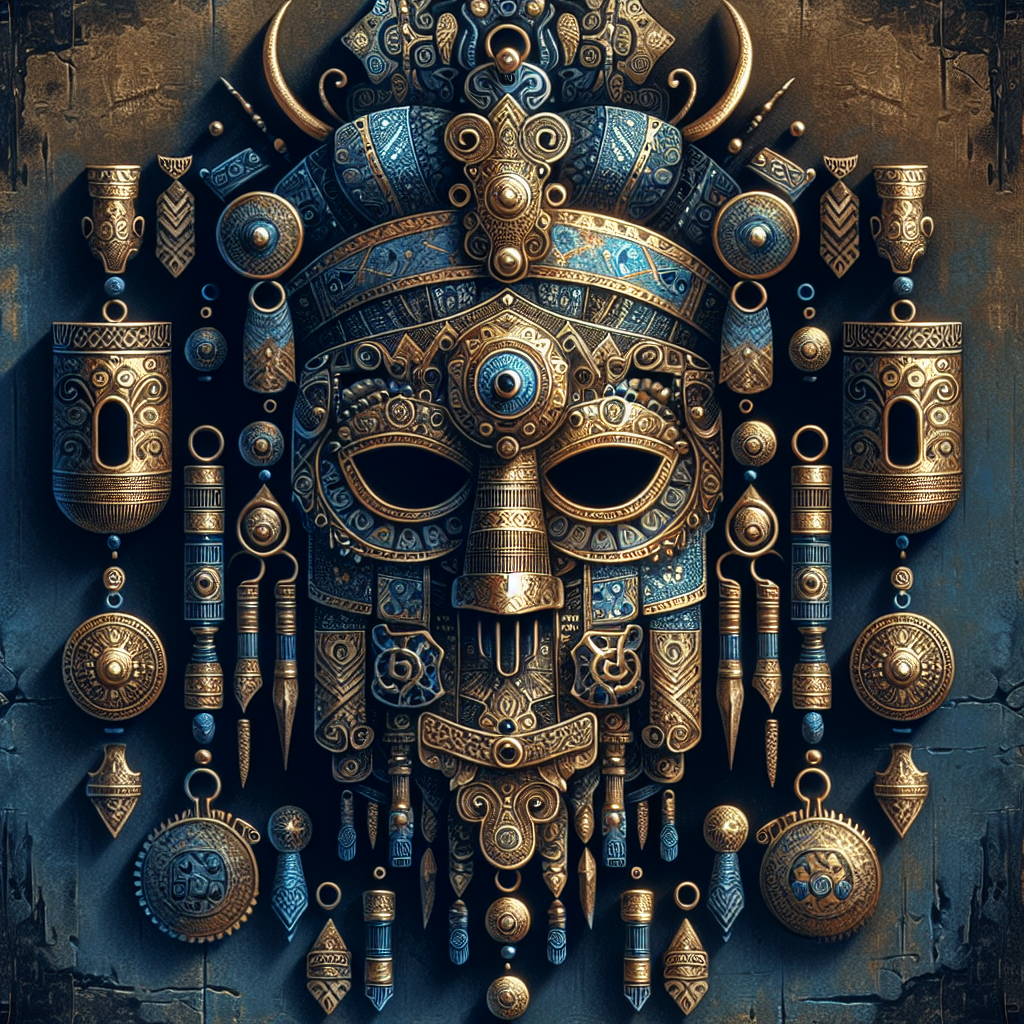
Dating back to the Bronze Age, the Thracians were renowned for their craftsmanship, particularly in metalwork—think ornate gold masks and intricate jewelry that would do justice to even the finest modern artisans. One of their most famous artifacts, the golden mask of King Rhoemetalces II, captures the essence of Thrace history and showcases their skilled artistry. Today, you can find this breathtaking piece at the National Historical Museum in Sofia, which serves as a fantastic starting point for anyone captivated by ancient Balkan tribal heritage.
The Spirituality of the Thracian People
Religion and spirituality were central to Thracian culture, with a pantheon of gods representing various aspects of life. They held rituals that honored the earth, sun, and sky, believing that these deities influenced their agriculture and daily existence. Obelisks and sacred groves littered their landscape, serving as a testament to their reverence for nature and their ancestors.
Thracians also had a profound respect for the afterlife, and their burial customs reflect this belief. Richly adorned tombs, like those found in the Valley of the Thracian Kings, reveal the immense importance they placed on honoring the dead. Today, many travelers who seek a connection with ancient ways might feel a spark of awe when visiting these sites, sensing the spirits that once roamed these lands.
“The Thracians were not merely a part of history; they are the heartbeat of the Balkans, reminding us of a time when the land sang with stories.”
The Artistic Legacy of the Thracians
One of the most captivating aspects of Thracian culture is how its artistic expression resonates even today. Their pottery, textiles, and metal objects were not just functional but often steeped in deep symbolism. Many pieces featured intricate motifs depicting animals, vegetation, and celestial themes, reflecting their close relationship with nature.
If you want to dive deeper into how ancient tribal cultures from around the world expressed themselves artistically, consider checking out the “Tribal Cultures of the World” book, which showcases similar artistic traditions from various cultures, including the Thracians.
In recent years, there has been a resurgence of interest in traditional crafts that echo the ancient techniques used by the Thracians. Artisans are reviving these methods, ensuring that the vibrant patterns and cultural significance of Thracian art continue to inspire new generations.
Everyday Life in Thracian Society
Everyday life for the Thracians was rooted in agriculture, animal husbandry, and trade, with a strong emphasis on community. They were skilled farmers, using advanced techniques to cultivate grains and vineyards, which highlighted their relationship with the land. Festivals marked the agricultural calendar, where music, dance, and food played important roles, showcasing the communal spirit of the Thracian people.
The Thracians were also known for their warrior culture, with fierce warriors revered as heroes amongst their tribe. This warrior ethos contributed to their interactions with neighboring civilizations, often leading to alliances as well as conflicts. To truly understand the legacy of tribal cultures like the Thracians, you might find the “African Tribal Culture” book a fascinating read, as it explores similar themes of communal living and the intertwining of culture, war, and art.

Modern Revival and Cultural Impact
In contemporary times, there’s a growing appreciation for balkan tribal heritage and a renewed interest in preserving the rich history of the Thracian people. This includes various festivals celebrating Thracian traditions, local crafts, and folklore that still thrive in the region. Artists, historians, and cultural enthusiasts are coming together to honor and revive this ancient heritage, keeping its spirit alive amid a changing world.
Visitors exploring the Balkans will find vibrant communities dedicated to celebrating their Thracian roots. Festivals often take place in the summer, featuring traditional music and dance that honor ancient customs. If you’re fortunate enough to attend such an event, prepare to be transported back in time as the air fills with melodies that have echoed for centuries.
“The revival of Thracian culture is not just about the past; it’s about shaping a future that honors our roots and inspires our spirit.”
Traveling to the Heart of Thrace
If you’re ready to immerse yourself in the world of the Thracians, there are countless places to visit that showcase their legacy. The Valley of the Thracian Kings is a UNESCO World Heritage site, a mesmerizing landscape dotted with burial mounds and ancient tombs. Walking among these historic remnants, you can sense the echoes of the past whispering stories of a vibrant people.
Another must-see destination is the ancient city of Perperikon, which served as a hub of Thracian worship and civilization. Perched on a rocky hill, this archaeological site offers breathtaking views and an impressive glimpse into their sacred landscape. Countless travelers find themselves captivated by the stories that this ancient place has to share.
For those who wish to connect further with the traditions and stories of ancient peoples, consider exploring the “Polynesian Culture and History” book. It presents similar themes of narrative and tradition which resonate across various tribal realms, including the Balkans.
Final Thoughts
As you reflect on the rich tapestry of Thracian culture, remember that it goes beyond mere history; it’s a celebration of life, spirit, and connection to one another and the earth. Each story, artifact, and tradition serves as a reminder that we are all part of a continuous narrative that stretches back through the ages. So, as you plan your adventures, consider taking a detour through the ancient paths of Thrace, where you can step into a world alive with mystery and magic.
And while you’re on this enriching journey, gather all the stories and artifacts you can to share with those you love. After all, tribal cultures, like the Thracians, remind us to value our roots even as we grow and explore the world. Happy travels!
Affiliate links on this website may generate a small commission at no extra cost to you. This support helps sustain a project dedicated to the beauty and cultural understanding of tribal art.