Amazigh Geometric Patterns: The Visual Language of North African Tribes
Have you ever gazed at a beautifully woven rug or intricately decorated pottery and felt captivated by the story behind it? It’s no secret that art is a powerful storyteller, and one of the most vibrant chapters in the book of tribal art can be found in the amazigh patterns of North Africa. These geometric forms are not just aesthetically pleasing; they are a language rich with meaning, tradition, and history, much like the people who create them. Today, let’s dive into the fascinating world of these beautiful designs and see how they reflect the culture and spirit of the Amazigh people.
The Origins of Amazigh Patterns
The Amazigh, or Berber, tribes have called North Africa home for thousands of years, particularly in regions like the Atlas Mountains and the Sahara Desert. Each pattern you see in their art holds significance and reflects the unique identity of the tribe from which it originates. Their geometric designs, often seen in textiles, pottery, and woodwork, evoke both the natural world and the spiritual beliefs of these communities.
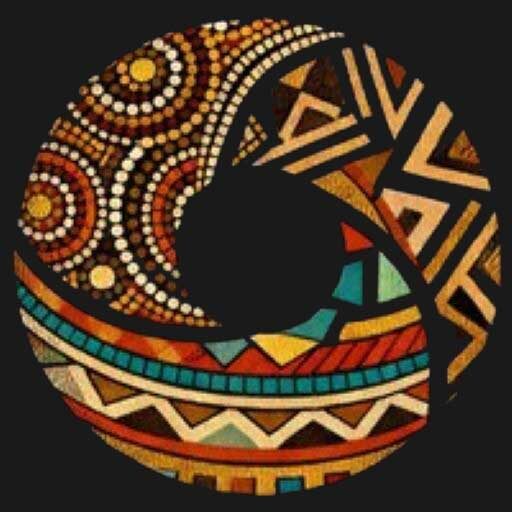
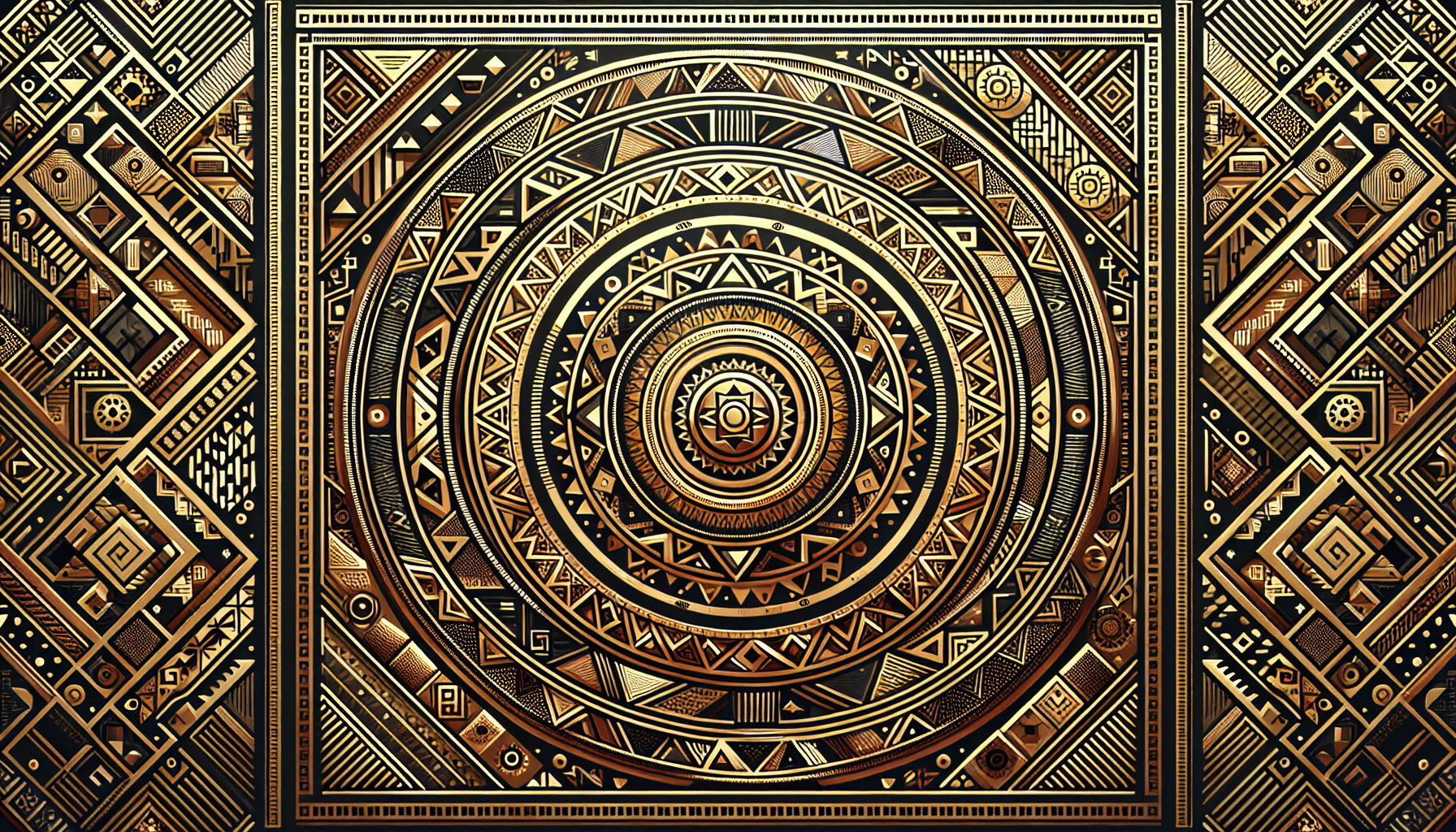
Amazigh patterns are typically characterized by bold shapes, lines, and symmetry. You may notice a recurring theme of diamonds, triangles, and zigzags that can easily translate into more than just decorative art. They represent various aspects of life, from fertility to protection, and even represent the stars and nature. The interplay of these elements gives us a peek into the soul of the Amazigh tribes, which is harmoniously tied to their land.
The Influence of Geography
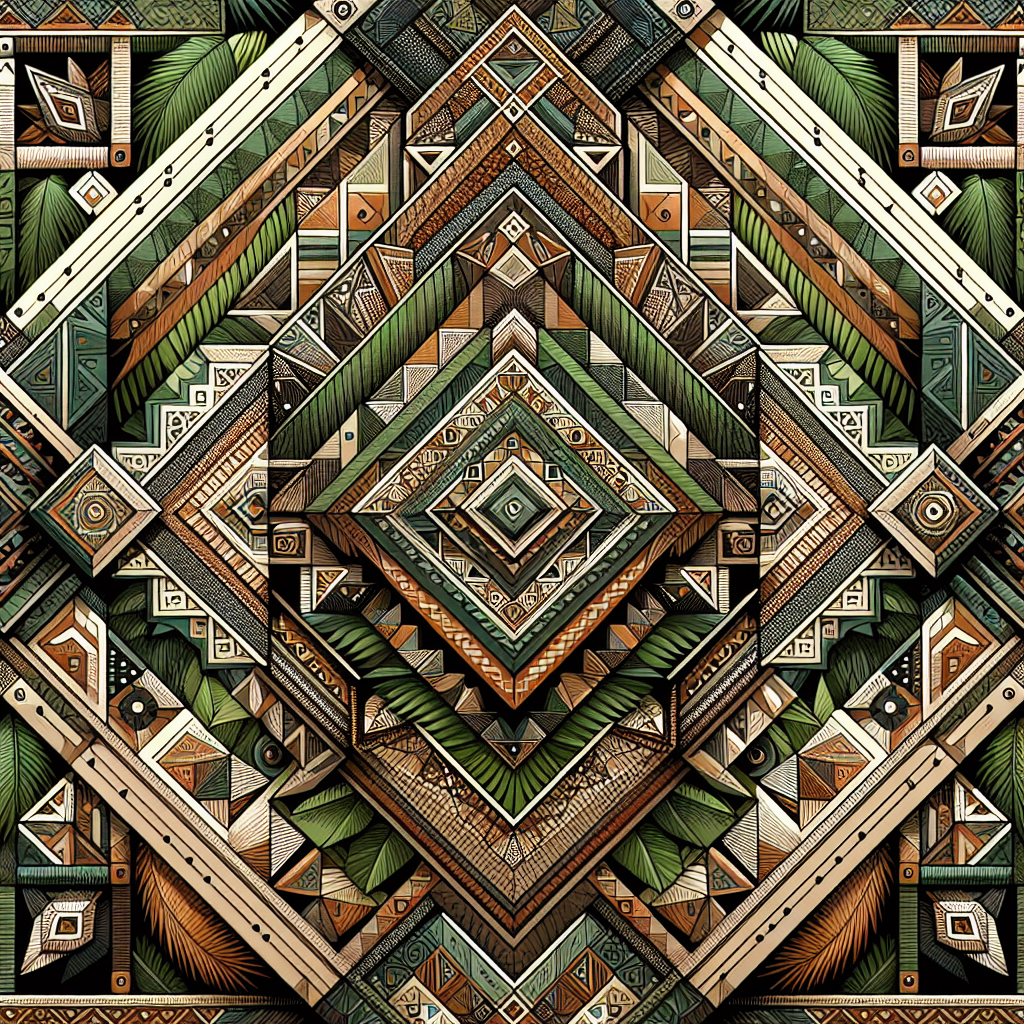
The stunning landscapes of North Africa significantly influence the artistic expressions of Amazigh tribes. Life in the Atlas Mountains offers its own challenges and beauties, dictating the materials available for crafting their art—from the rich clay for pottery to the wool from their livestock for weaving. You might find the patterns used in rugs and textiles reflecting the mountain peaks or the flowing rivers that shape their daily lives.
Interestingly, these geometric designs don’t just come from the tribes’ immediate environment; they have a rich history of cultural exchange. As Berber communities interacted with various cultures and peoples across the region, their art absorbed new influences and evolved, resulting in even more intricate and diverse patterns. This beautiful blend is evident as you explore the intricate amazigh patterns while traveling the winding roads of the Atlas Mountains.
The art of the Amazigh is a conversation between the ancient and the modern, the land and the spirit.
Decoding the Patterns
One of the remarkable aspects of Amazigh patterns is that they are not arbitrary; each design is rich with symbolism. For instance, a common motif you might encounter is the zigzag, which represents the flowing rivers that surround the mountain villages. This simple yet powerful design speaks to the importance of water in a geography where it is often scarce.
Similarly, diamond shapes often symbolize femininity and fertility, serving as reminders of the strength and nurturing spirit of Amazigh women. It’s fascinating to think how these patterns, which may seem decorative to the untrained eye, hold profound meanings that echo through generations. If you’re intrigued by this idea, consider exploring the rich context of these designs further through books like the African Art and Patterns Book, which delves into the complexities and stories behind various tribal designs.
Amazigh Patterns in Daily Life
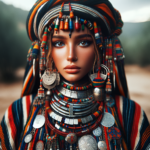
Today, Amazigh geometric patterns are integrated into various aspects of life in North Africa. You can find them in traditional clothing, home decor, and even body art. Each manifestation of these patterns offers a connection to identity and heritage, allowing both tradition and modernity to coexist seamlessly. For example, during celebrations or festivals, you’ll often see Amazigh designs showcased in garments that honor their ancestors, instilling pride in community ties and history.
Moreover, modern artisans are increasingly using amazigh patterns in contemporary ways, merging traditional designs with contemporary techniques. This innovation not only keeps the culture alive but ensures its attractiveness to younger generations and global audiences. If you’re eager to try your hand at creating your own designs, I highly recommend the Tribal Patterns Adult Coloring Book, which features intricate templates inspired by these mesmerizing geometries, giving you the chance to enjoy the soothing process of artistic expression.
Experiencing Amazigh Patterns in Person
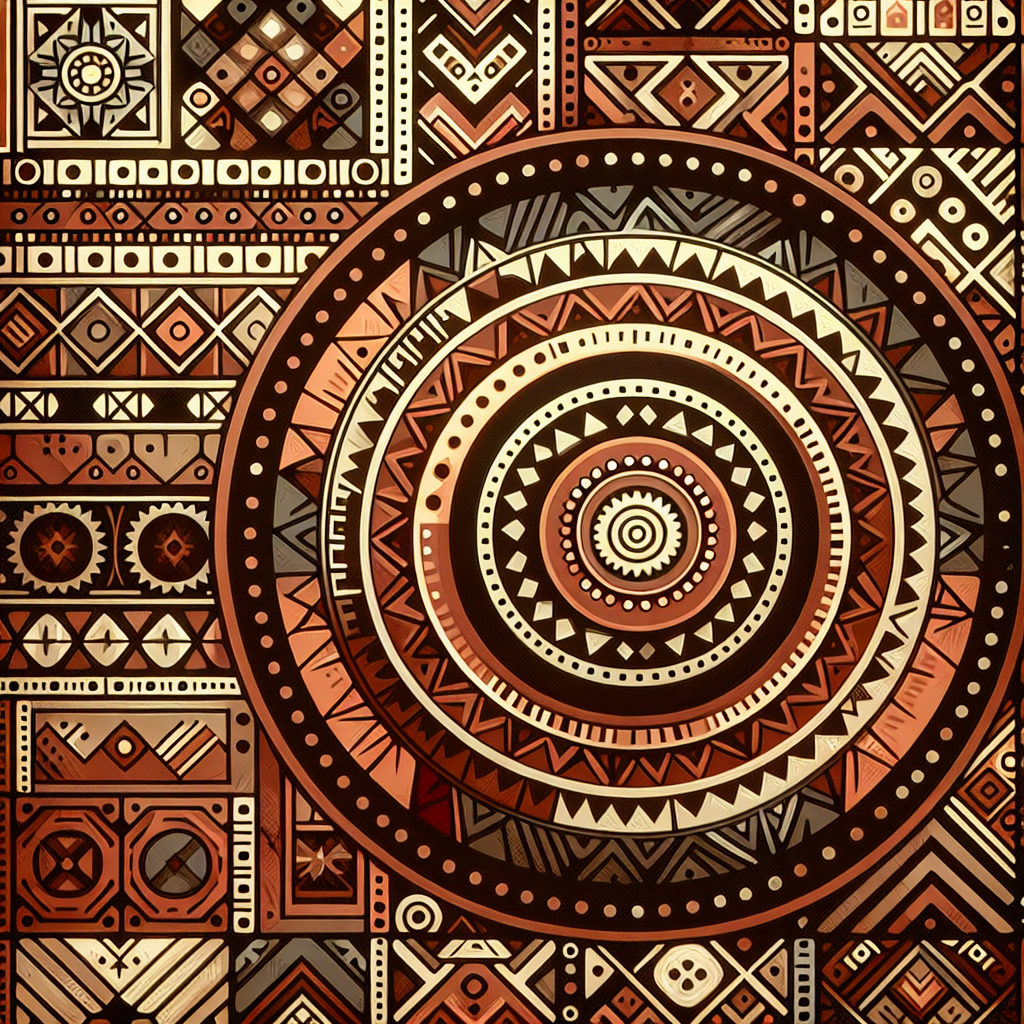
If the allure of these patterns has you dreaming of North Africa, you’re in for a treat! Traveling to regions like the High Atlas or the Sahara will offer you firsthand encounters with the rich culture of the Amazigh people. You can visit local markets, like the vibrant souks in Marrakech, where brilliantly colored textiles featuring amazigh patterns abound, or take part in workshops that teach you the ancient crafts of weaving and pottery.
Speaking to artisans in these communities will reveal the stories behind their work, as many are eager to share their heritage and showcase their skills. Plus, you’ll find that purchasing their handmade goods supports their livelihoods and helps keep their traditions alive. It’s not just shopping; you’ll be investing in cultural preservation, and that is something truly special.
Final Thoughts
As you explore the mesmerizing world of amazigh patterns, remember that these geometric designs are not mere art forms; they are woven with the threads of community, history, and identity. With the influence of North African culture permeating through every line and shape, you can appreciate their beauty and significance even from afar. Whether you adorn your walls with pieces featuring these patterns or wear clothing that showcases their artistry, you become part of a beautiful story that transcends time and geography.
Sharing the beauty of Amazigh patterns is not just about art; it’s about keeping a culture alive. When you cultivate this knowledge and awareness, you become an ambassador for these incredible traditions. Dive deeper into the visual language of North African tribes, and let your journey be a celebration of artistry and culture, one stunning pattern at a time!
Affiliate links on this website may generate a small commission at no extra cost to you. This support helps sustain a project dedicated to the beauty and cultural understanding of tribal art.