
Art with a Story: Tribal Meanings for Kids
Engaging children in the world of tribal art can unlock a treasure trove of cultural narratives, weaving deep meanings into their creative expression. The tribal art meanings for children serve as more than just a visual spectacle; they are gateways to understanding family lineage, spiritual beliefs, and community traditions. By delving into these symbols, children can appreciate not only the aesthetics but also the stories and values embedded in the artwork.
The Significance of Patterns in Tribal Art
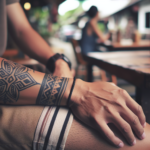
Tribal patterns are often rich with meaning, acting as visual languages that convey stories of ancestry, heritage, and communal identity. For instance, many indigenous cultures use specific motifs to represent familial connections or significant life events, such as rites of passage or celebrations of nature. By introducing these concepts to children, we can help them understand the weight these patterns carry. This exploration encourages kids to think critically about their own family stories and how they relate to the broader human experience.
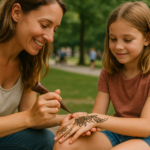
As children learn about these tribal art meanings, they also gain a sense of belonging and purpose. Parents and educators can use art projects as opportunities to discuss the stories behind the designs, allowing kids to create their own interpretations rooted in their personal experiences. This act of storytelling transforms art-making into a meaningful family tradition, where each creation is a reflection of both individual creativity and cultural heritage.
“By weaving together personal stories with tribal patterns, children create art that is not only beautiful but also deeply resonant with their own identity and community.”
Fostering Connections Through Art
Incorporating tribal art into children’s activities can foster connections beyond mere aesthetics. When children realize that their artwork is part of a larger cultural narrative, they become more engaged, developing an appreciation for diversity and respect for differing beliefs. This engagement can lead to meaningful conversations about various cultures, promoting empathy and understanding in a world that often feels divided.
Want to explore this further? Read our full article: Safe Body Art for Kids: Non-Toxic Tribal Designs and Activities
The Bottom Line
Integrating tribal art meanings for children into creative practices not only enriches their understanding of art but also deepens their connection to cultural narratives. As they engage with these powerful stories, children learn to appreciate both their own heritage and the diverse tapestry of human experiences that shape our world.