
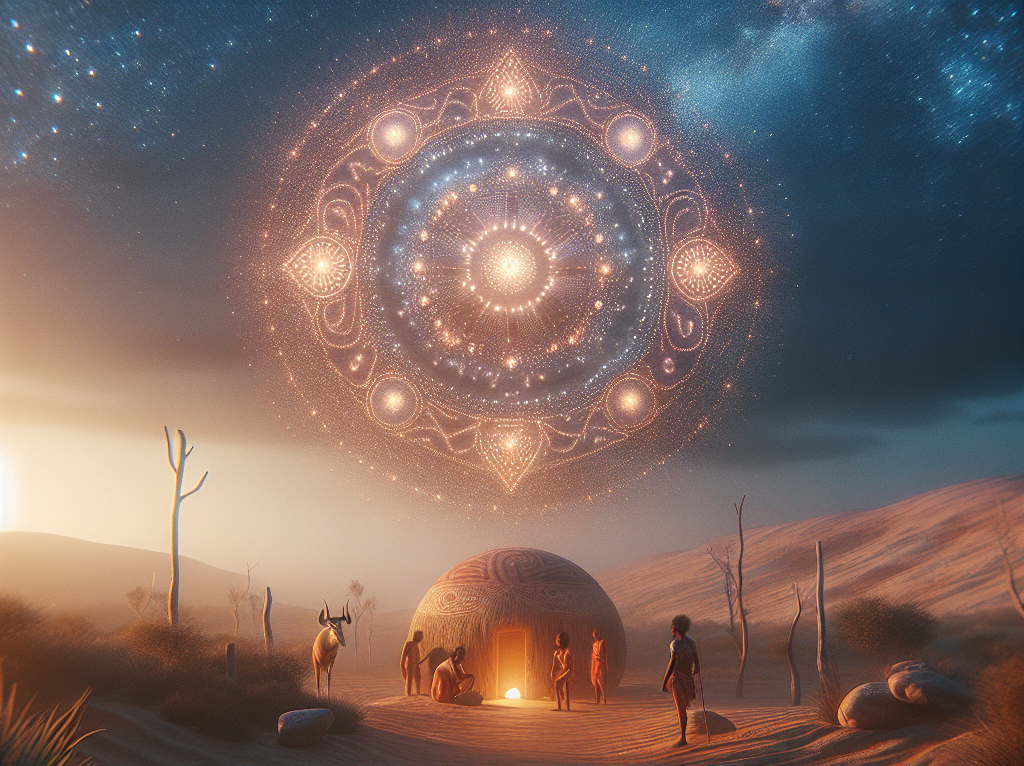
Dreamtime: Nature’s Instruction Manual
Aboriginal storytelling through Dreamtime narratives is often celebrated for its rich cultural significance, but what is less recognized is its profound geographical significance in Aboriginal storytelling. These stories do more than entertain; they serve as living maps, intricately linked to the land and the sustainable practices of the people who inhabit it. Each tale, steeped in mythology, corresponds to specific geographical features, creating a sense of place that is both spiritual and practical.
Myth and Map Interwoven
Dreamtime stories are not merely folklore; they hold invaluable ecological insights that guide communities in their relationship with the environment. When an elder recounts the tale of the Rainbow Serpent, for instance, listeners are not just engaged in a captivating narrative. They learn about the rivers, hills, and valleys that are fundamental to their identity and survival. The stories reveal the locations of water sources, food paths, and seasonal changes, providing a blueprint for sustainable living.
This dual role of storytelling highlights the connection between culture and ecology, where myths serve as instruction, facilitating a deep understanding of the land. The geographical significance in Aboriginal storytelling is a testament to the ancient wisdom embedded in these narratives. They instruct listeners on how to respect and utilize the land’s resources responsibly, ensuring that the delicate balance of nature is maintained for future generations.
“Every Dreamtime story is a thread in the vast tapestry of Aboriginal culture, weaving together lessons of sustainability and the intricate details of our land.”
Lessons for Contemporary Society
In today’s world, where ecological crises loom large, the wisdom found in Aboriginal storytelling offers critical lessons. As modern societies grapple with issues like climate change and habitat destruction, looking back at these narratives can provide valuable insights into sustainable living. The teachings embedded in Dreamtime stories encourage a reverence for nature and foster a sense of stewardship toward the land.
By embracing the geographical significance in Aboriginal storytelling, we can cultivate a more holistic understanding of our environment and learn to live in harmony with it, much like the Aboriginal peoples have done for thousands of years. Their narratives not only preserve their cultural identity but also serve as a guide for ecological sustainability.
Want to explore this further? Read our full article: Aboriginal Culture in Australia: Ancient Wisdom for the Modern World
The Bigger Picture
Understanding the geographical significance in Aboriginal storytelling allows us to appreciate the intricate relationship between culture and nature. By valuing these narratives, we can learn to navigate our own environmental challenges with wisdom drawn from the past.