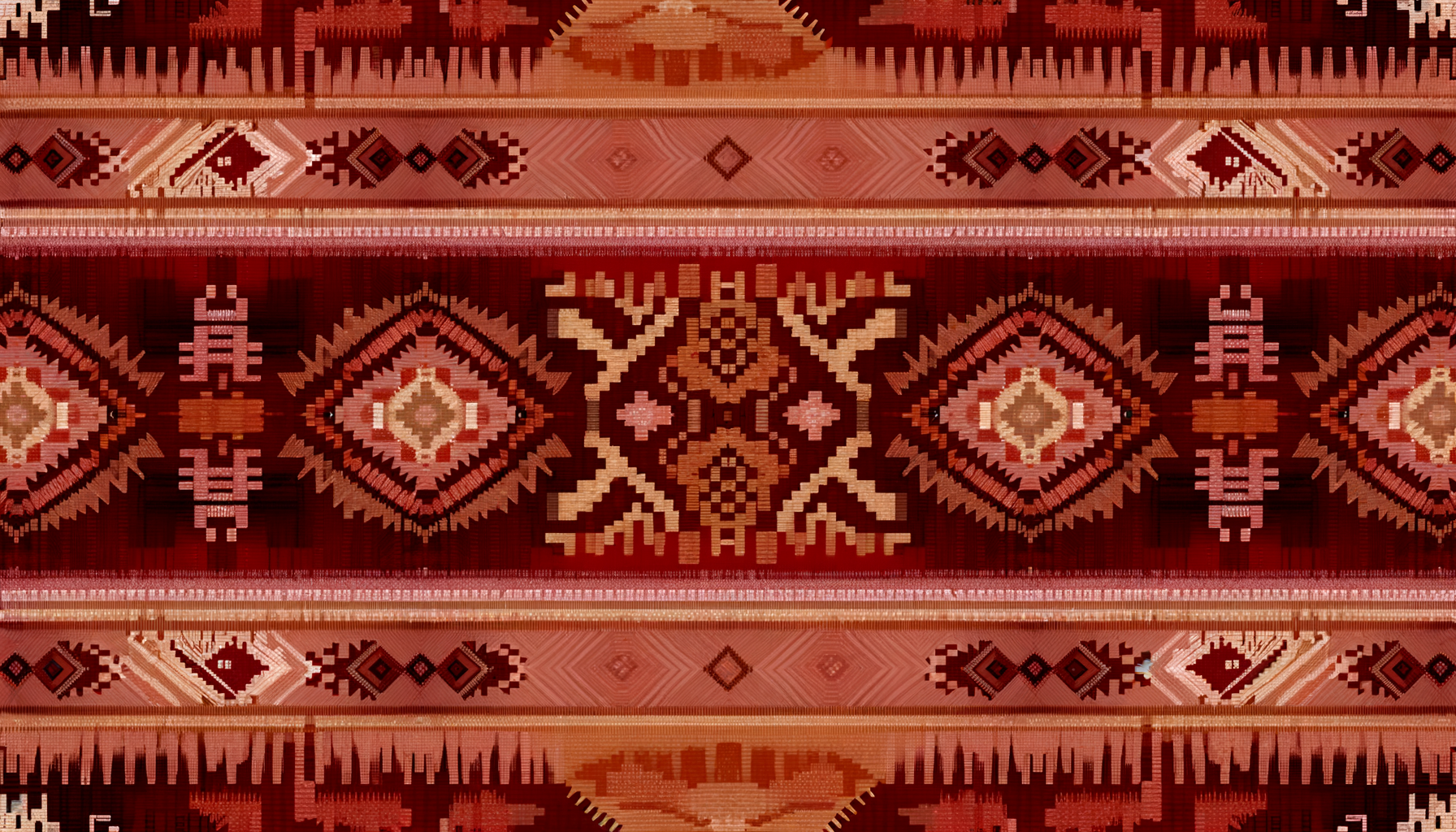
Tejido navajo: Geometría sagrada en cada hilo.
¿Sabías que cada alfombra con patrón de tejido navajo cuenta una historia? Imagina un mundo donde cada hilo, cada color y cada forma geométrica canta una canción de tradición y prácticas sagradas. Este es el reino encantador de Tejido navajo. Estos intrincados textiles son más que bellas obras de arte; son una profunda expresión de la identidad cultural navajo, que entrelaza elementos de espiritualidad, naturaleza y el paso del tiempo.
A medida que profundices en el arte del tejido navajo, descubrirás que estas alfombras, a menudo adornadas con Geométrico nativo americano Los diseños están impregnados de significados simbólicos. Cada forma tiene un significado; cada tejido lleva consigo la historia del pueblo navajo. Así que, sírvete una taza de té y exploremos el vibrante mundo del tejido navajo y la geometría sagrada que se encuentra en cada detalle.
Los hilos de la historia y la cultura
Los tejidos navajos surgieron en el siglo XVII, cuando las tribus pueblo comenzaron a adoptar las técnicas de tejido españolas. Con el tiempo, los navajos desarrollaron su propio estilo, fusionando motivos tradicionales con su herencia cultural. Originarios de la región de las Cuatro Esquinas de Estados Unidos, el pueblo navajo, conocido como Diné, utiliza sus alfombras no solo como elementos decorativos, sino también como vehículos narrativos basados en su historia y creencias.
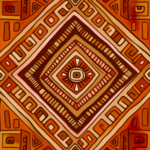
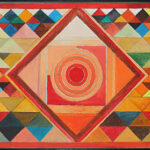
Los vibrantes colores y los intrincados diseños de las alfombras navajo reflejan la belleza natural del suroeste de Estados Unidos. Los rojos, azules y amarillos que se utilizan en estas alfombras suelen imitar los tonos del paisaje desértico, conectando al tejedor con su entorno. Sin embargo, no se deje engañar por los colores; los diseños en sí mismos están cargados de un profundo simbolismo. Por ejemplo, los diseños en zigzag representan las montañas y el viaje de la vida, mientras que las formas de diamante, más complejas, simbolizan el equilibrio y la armonía del universo.
Comprender los patrones geométricos navajos
En el corazón del tejido navajo reside el uso de patrones geométricos, que desempeñan un papel esencial en la identidad cultural del pueblo navajo. Aquí, la geometría sagrada se entrelaza con el arte. La disposición de triángulos, cuadrados y círculos que se observa en estas alfombras tejidas no es casual; refleja el orden natural del mundo. Cada forma encarna la interconexión, reforzando la idea de que todo en la vida es cíclico y está vinculado.
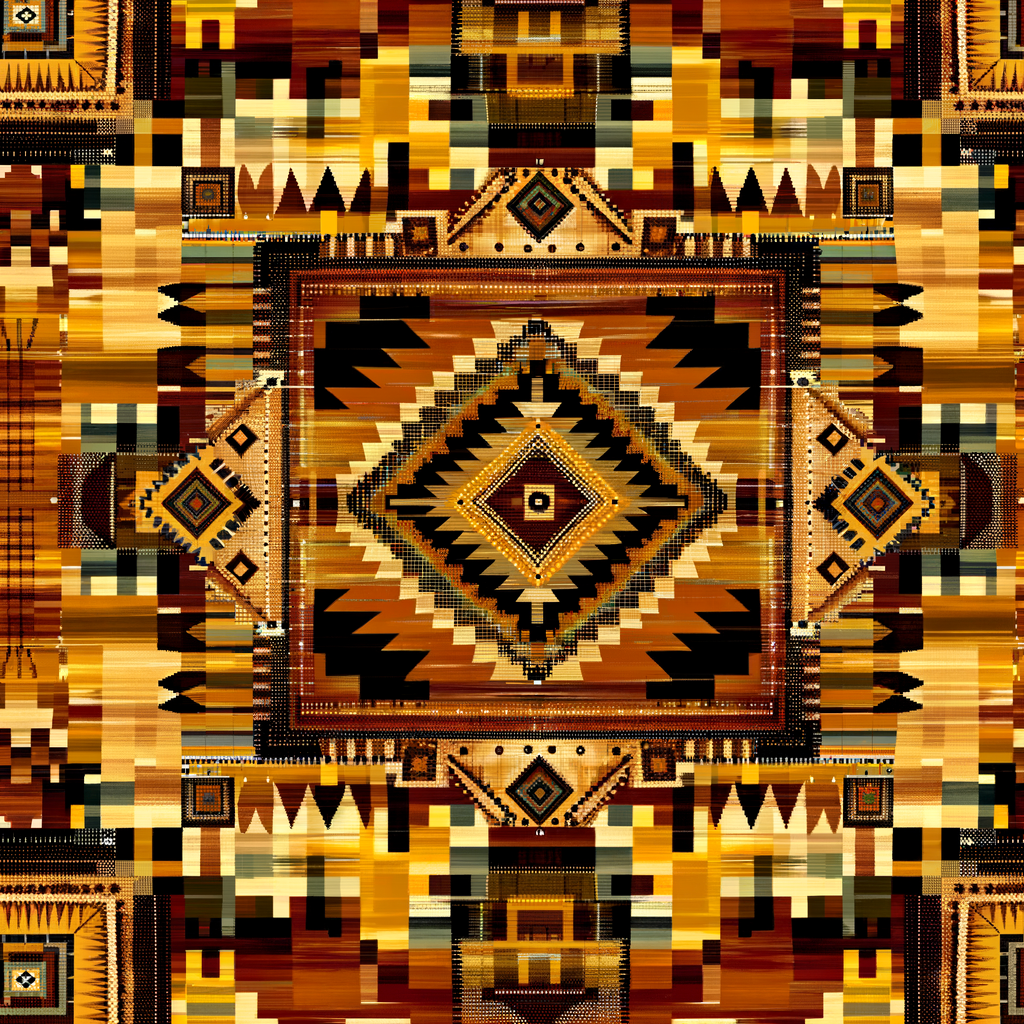
Cuando admiras una alfombra navajo, te asomas a una ventana de significado más profundo. Muchos patrones representan elementos importantes de la naturaleza, animales o mitos, con el objetivo final de traer armonía al hogar. No se trata solo de estética; estos tejidos contribuyen al bienestar espiritual y emocional de las familias que habitan espacios adornados con tales obras de arte. ¿Quieres profundizar en el arte tribal? Considera adquirir una Libro de historia del arte tribal para una comprensión más amplia de las prácticas culturales que rodean las artes indígenas.
El arte de tejer hoy
Hoy en día, el tejido navajo sigue floreciendo, aunque enfrenta sus propios desafíos. Los tejedores modernos suelen combinar diseños tradicionales con influencias contemporáneas, creando un rico tapiz de arte en constante evolución. Además, el mercado de alfombras navajo auténticas ha crecido, lo que ha generado un aumento en la demanda. Aquí radica la importancia de adquirir obras auténticas de artistas navajo. Al invertir en estas piezas hechas a mano, usted apoya activamente el patrimonio y la economía de la Nación Navajo.
El resurgimiento del interés por las artesanías indígenas también ha impulsado iniciativas para educar a las nuevas generaciones sobre esta antigua habilidad. Se ofrecen talleres y clases tanto para principiantes como para artesanos experimentados, e incluso algunos más aventureros participan en sesiones en línea para conectar con artesanos tradicionales a distancia. Al aprender estas intrincadas técnicas, recuerde que el tejido se considera una práctica espiritual en la cultura navajo, que encarna la esencia misma de la conexión entre creador, material y espíritu.
“En cada tejido de la alfombra navajo, existe una historia esperando ser descubierta.”
Coleccionar y apreciar las alfombras navajo
Coleccionar alfombras navajo es un arte en sí mismo. Cada pieza tiene su propia historia, elaborada con amor y reverencia por las manos de talentosos artesanos. Si está pensando en adornar su hogar con una de estas impresionantes alfombras, tómese su tiempo para conocer los diferentes diseños y sus significados. La autenticidad es fundamental: asegúrese de comprar en fuentes confiables o directamente a artesanos navajo.
Además, ¡no dudes en hacer preguntas! Muchos tejedores estarán encantados de compartir las historias detrás de sus obras y el proceso involucrado en su creación. Para apreciar aún más los patrones tribales, quizás quieras explorar... Libro de arte y patrones africanos, que profundiza en el significado cultural de los patrones no solo en el arte navajo, sino en todo el mundo.
Qué significa esto para ti
Al adentrarte en el fascinante mundo del arte nativo americano, apreciar la belleza y el significado cultural del tejido navajo puede ser una experiencia enriquecedora. Al reconocer la geometría sagrada y las historias que encierra cada tapiz, comprenderás mejor el espíritu y las tradiciones del pueblo navajo. Ya sea que elijas coleccionar un tapiz, visitar un taller de tejido o simplemente compartir esta nueva apreciación con tus amigos, tu viaje al arte navajo te permitirá comprender mejor la interconexión entre cultura, artesanía y naturaleza.
¿Por qué no dar el paso? Explora el hermoso mundo del tejido navajo y sumérgete de lleno en las intrincadas historias que se cuentan a través de cada hilo. Y recuerda llevar tu Libro para colorear para adultos con diseños tribales ¡Para despertar tu propia creatividad en el expresivo mundo de los estampados tribales!
Los enlaces de afiliados en este sitio web pueden generar una pequeña comisión sin costo adicional para usted. Este apoyo contribuye a mantener un proyecto dedicado a la belleza y la comprensión cultural del arte tribal.