Pinturas cartográficas: Recuperando territorios borrados
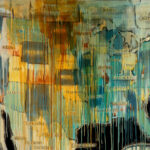
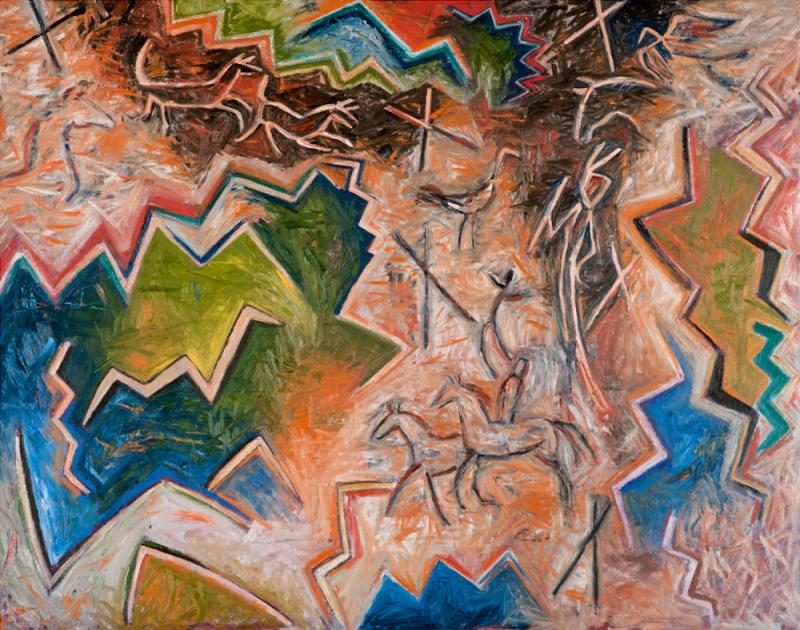
Las pinturas cartográficas de Jaune Quick-to-See Smith ofrecen una perspectiva impactante para contemplar las narrativas indígenas en el arte contemporáneo. Al fusionar la narración tradicional con técnicas artísticas modernas, la obra de Smith invita al espectador a reconsiderar los paisajes geográficos y culturales que históricamente han marginado las voces indígenas. Cada pincelada trasciende la mera representación, desafiando las narrativas convencionales presentes en los mapas y revelando la compleja carga emocional de la historia colonial.
Recuperando el espacio y la identidad.
En sus pinturas cartográficas, Smith incorpora ingeniosamente nombres de estados para representar los territorios que han sido borrados de los mapas oficiales. Esta yuxtaposición provocadora no solo resalta la existencia de tierras indígenas, sino que también sirve como una reivindicación de identidad. Por ejemplo, la inclusión de un nombre como ‘Nunavut’ junto a estados de EE. UU. nos recuerda las complejas y a menudo ignoradas relaciones que las comunidades indígenas mantienen más allá de las fronteras. Al superponer estos elementos culturales, Smith llama la atención sobre la interconexión de los pueblos indígenas y sus historias dentro de los contextos geográficos contemporáneos.
La resonancia emocional de su obra reside en su capacidad para evocar una sensación de pérdida y resiliencia. Cada mapa pintado es un testimonio de la presencia perdurable de narrativas indígenas que resisten el olvido. Como dijo Smith en una ocasión:,
“El arte es una forma de contar historias que han sido silenciadas; es una recuperación de las voces de nuestros antepasados.”
Esta reivindicación es crucial, ya que no solo reconoce el pasado, sino que también afirma la vitalidad actual de las culturas indígenas.
Desafiando las interpretaciones convencionales
El arte de Smith invita, en última instancia, a cuestionar la validez de los mapas tradicionales, desafiando la noción de propiedad y territorio. Su enfoque innovador constituye una crítica a la construcción de las narrativas históricas, al tiempo que ofrece una plataforma para las voces indígenas que han sido marginadas durante mucho tiempo. Al presentar estos mapas como obras de arte dinámicas, Smith fomenta una reevaluación de cómo se cuenta y se comprende la historia, abogando por una perspectiva más inclusiva que honre las experiencias indígenas.
¿Quieres profundizar en este tema? Lee nuestro artículo completo: Cómo las pinturas cartográficas de Jaune Quick-to-See Smith reivindican el territorio indígena a través del arte.
Por qué esto importa
En definitiva, las pinturas de mapas de Jaune Quick-to-See Smith no solo sirven como expresiones artísticas, sino también como diálogos cruciales sobre la identidad, la historia y el impacto persistente del colonialismo. Al visibilizar las narrativas indígenas en el arte contemporáneo, Smith facilita una comprensión más profunda de la interconexión cultural, invitándonos a reflexionar sobre la importancia de estas historias en la configuración de nuestro mundo.