La nación zulú: cultura e identidad de los guerreros en la Sudáfrica moderna.
¿Alguna vez te has preguntado cómo se siente caminar entre los poderosos guerreros de una cultura que resuena en el corazón mismo de Sudáfrica? La Nación Zulú, conocida por su feroz resistencia durante la era colonial, cuenta con un vibrante tapiz de tradiciones y una ética guerrera que dan forma a su identidad cultural incluso hoy. A medida que exploras los matices de cultura zulú, Descubrirás que no es simplemente una reliquia del pasado, sino una encarnación viva de resiliencia, orgullo y una rica historia.
A menudo se la considera una de las más conocidas. tribus de Sudáfrica, El pueblo zulú ha tenido un impacto significativo en el panorama sociopolítico de la nación. Al adentrarse en sus costumbres y mitología, se descubre rápidamente cuán profundamente entrelazada está su identidad con sus experiencias pasadas y sus visiones de futuro.
Una historia forjada por el conflicto y la resiliencia.
Bajo el liderazgo del rey Shaka a principios del siglo XIX, el pueblo zulú se transformó en una nación formidable, uniendo numerosos clanes y desarrollando una cultura militar que forjó su identidad. Hoy, esos mismos principios de fortaleza y comunidad se reflejan en su forma de desenvolverse en la vida contemporánea. ¿Has oído hablar de la batalla de Isandlwana? Tuvo lugar en 1879 y demostró la brillantez táctica de los zulúes contra las fuerzas coloniales británicas. Esta batalla es más que un simple acontecimiento histórico; simboliza la valentía y la autonomía zulúes, sentando las bases de su legado perdurable.
“La nación zulú no es solo una entidad histórica; es una cultura vibrante que continúa prosperando, adaptándose y floreciendo en la sociedad moderna.”
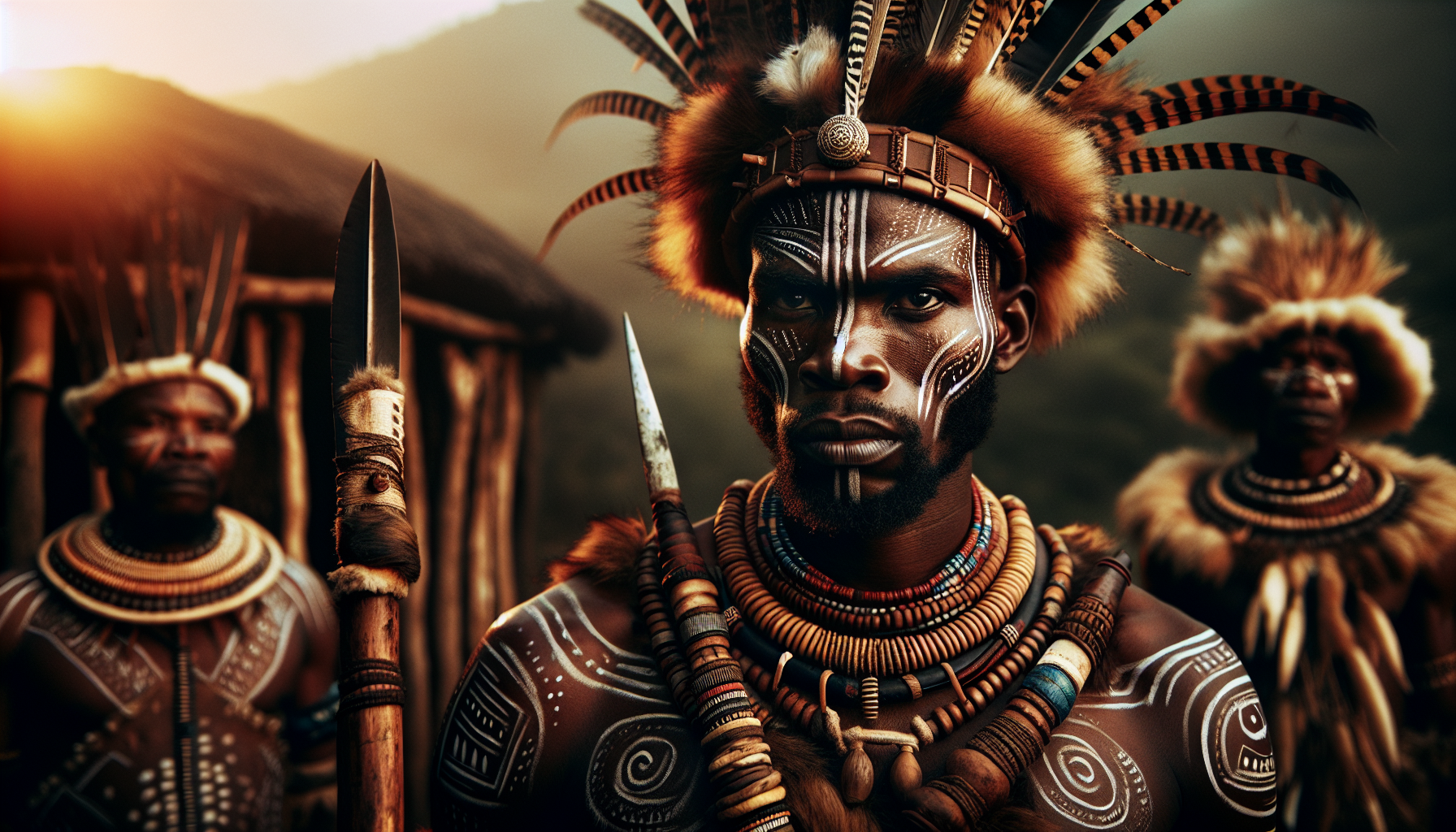
La cultura zulú moderna continúa encarnando el espíritu guerrero, abrazando las tradiciones y al mismo tiempo dando cabida a las influencias contemporáneas. Quizás te sorprenda saber que los guerreros zulúes de hoy en día todavía participan en exhibiciones culturales que honran su historia, como bailar con atuendos tradicionales durante ceremonias y eventos comunitarios. A medida que te sumerjas en su mundo, apreciarás la profundidad y complejidad de Tradiciones zulúes modernas, donde pasado y presente se fusionan armoniosamente.
El lenguaje: una fuente de identidad
La esencia de la cultura zulú reside en su idioma: el isiZulu. Esta riqueza lingüística no solo sirve como medio de comunicación, sino que también encierra la esencia de la mitología, la historia y la filosofía zulúes. ¿Sabías que el isiZulu es uno de los once idiomas oficiales de Sudáfrica? Es fascinante cómo el lenguaje puede ser fuente de conexión, identidad y orgullo.
Cuando aprendes algunas palabras y frases en isiZulu, empiezas a comprender las sutilezas de la cultura. Los saludos tradicionales, por ejemplo, son más que simples cortesías; pueden reflejar respeto, jerarquía y cohesión comunitaria. A medida que profundices en la cultura zulú, podrías encontrar este libro sobre Culturas tribales del mundo Resulta fascinante, ya que ofrece una visión de diversas lenguas tribales y las historias que cuentan.
Vestimenta tradicional: Tejiendo historias a través de la tela.
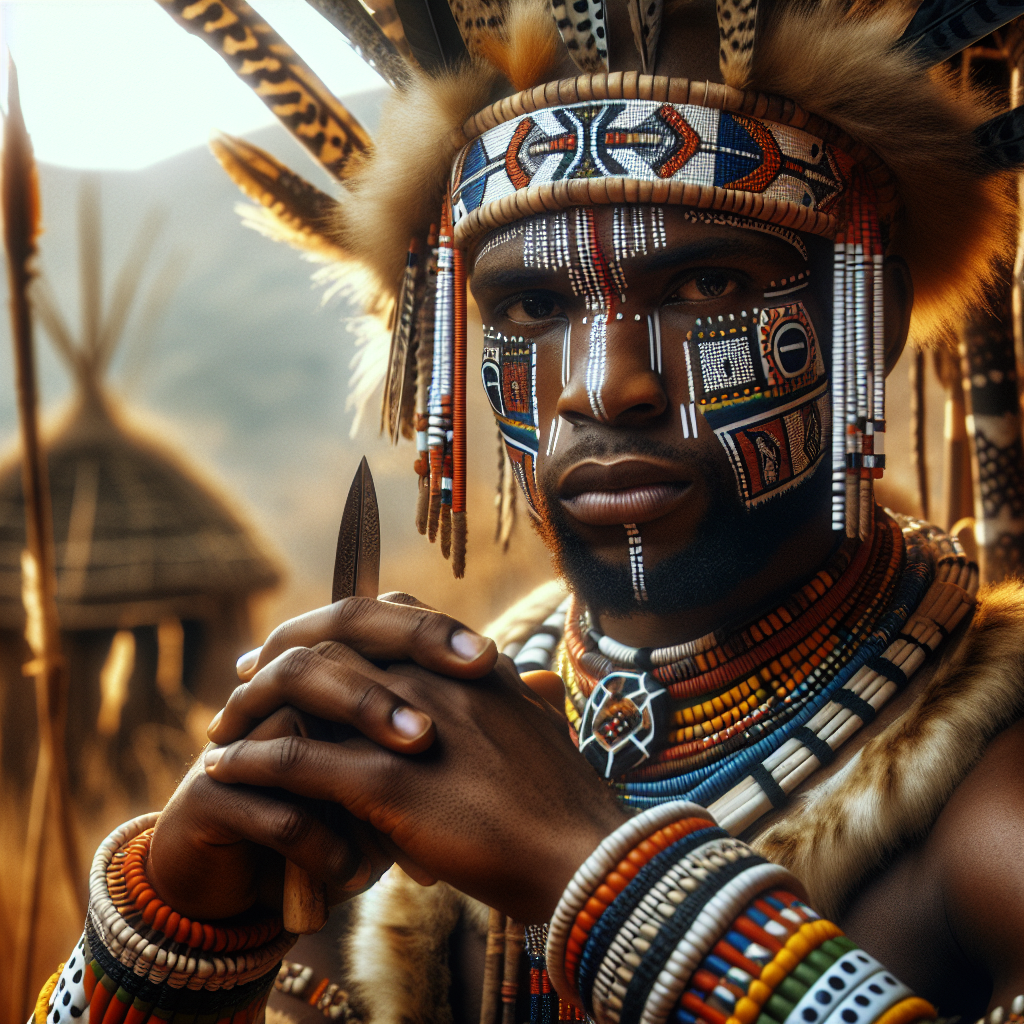
Cada detalle de la vestimenta tradicional zulú cuenta una historia, reflejando la identidad, el estatus social y la etapa vital de quien la lleva. Las cuentas de colores brillantes y los diseños intrincados no son solo un elemento estético; simbolizan una rica narrativa arraigada en la historia y la tradición. Por ejemplo, una joven zulú soltera suele llevar un collar de cuentas llamado "isicholo", mientras que las mujeres casadas visten prendas más elaboradas que representan su estado civil.
Si tiene la oportunidad de visitar Sudáfrica, podrá encontrarse con artesanos locales que crean impresionantes trabajos de abalorios y diseños textiles inspirados en su herencia cultural. Considere adquirir una o dos piezas como recuerdo. No solo obtendrá un objeto único, sino que también estará apoyando el arte y el sustento de talentosos artesanos. Para obtener más perspectivas sobre las expresiones artísticas en las culturas tribales, consulte la Libro sobre la cultura tribal africana.
Prácticas culturales y festivales
La cultura zulú rebosa de vibrantes festivales que celebran las tradiciones ancestrales a través de la música, la danza y la narración de cuentos. Una de las celebraciones más significativas es la Danza de la Caña, o Umkhosi Womhlanga. Celebrada generalmente en septiembre, consiste en que jóvenes danzan ante el rey como demostración de sus valores y ceremonia de pureza. El evento pone de relieve no solo la belleza de las tradiciones zulúes, sino también su constante compromiso con la comunidad, el respeto y el liderazgo.
Asistir a uno de estos festivales puede ser una experiencia que te cambie la vida. La energía, los colores y el sentido de unidad te dejarán recuerdos entrañables, una comprensión más profunda de la cultura zulú y un respeto por las tradiciones que dan forma a su identidad. Para aquellos interesados en explorar el amplio tapiz de tradiciones tribales en todo el mundo, recomiendo encarecidamente el Libro sobre la cultura e historia de la Polinesia ya que arroja luz sobre otras tradiciones indígenas, al tiempo que nos permite establecer paralelismos y contrastes.
“Experimentar la cultura zulú de primera mano no se trata solo de observar; se trata de participar y formar parte de una tradición viva.”
El impacto de la modernización
En una era marcada por la globalización, el pueblo zulú se erige como un testimonio de la resiliencia de las culturas indígenas. Si bien las influencias modernas, como la urbanización y la tecnología, han transformado la forma en que las nuevas generaciones interactúan con su herencia cultural, muchos zulúes buscan activamente fusionar sus raíces históricas con los estilos de vida contemporáneos. Esta fusión se aprecia en el auge de géneros musicales zulúes modernos, como el kwaito y el gqom, que incorporan ritmos y melodías tradicionales a un sonido contemporáneo.
Además, la comunidad zulú utiliza cada vez más las redes sociales y las plataformas digitales para compartir sus tradiciones, arte e historias, lo que permite que personas de todo el mundo conecten con su rico patrimonio. ¿No es asombroso cómo la tecnología puede servir de puente para preservar la identidad cultural? Ayuda a fomentar un entorno donde las tradiciones no solo se conservan, sino que se celebran y se reinventan.
Desafíos que enfrenta la identidad zulú contemporánea
A pesar de su espíritu inquebrantable, la nación zulú enfrenta diversos desafíos para preservar su identidad cultural. La migración urbana, las presiones económicas y la influencia de la cultura occidental a veces eclipsan las tradiciones indígenas. Sin embargo, el pueblo zulú ha demostrado repetidamente su capacidad de adaptación sin renunciar a sus valores fundamentales. La identidad zulú no es solo una reliquia del pasado; es un vibrante tapiz que continúa evolucionando, rico en historias y experiencias que las nuevas generaciones transmiten.
Muchos líderes de la comunidad zulú se esfuerzan activamente por asegurar que su cultura, idioma y tradiciones se transmitan a las futuras generaciones. Están surgiendo organizaciones dedicadas a la educación y la preservación cultural, lo que demuestra que la nación zulú no solo ha sobrevivido, sino que está preparada para un futuro próspero.
Explorando la cultura zulú: Un viaje que vale la pena emprender.
Si te han cautivado las historias y experiencias que he compartido hoy, hay todo un mundo esperando a ser explorado. Viaja a Sudáfrica y sumérgete en sus vibrantes festivales, su fascinante historia y sus acogedoras comunidades que encarnan la cultura zulú. Te resultará fascinante visitar lugares como la provincia de KwaZulu-Natal, donde muchas de las prácticas tradicionales florecen junto a algunos de los paisajes más impresionantes del país.
Desde la cálida hospitalidad del pueblo zulú hasta la impresionante belleza paisajística, cada momento que pases dentro de esta cultura enriquecerá tu vida y ampliará tus horizontes. Al presenciar la fusión de historia y modernidad, obtendrás conocimientos no solo sobre la nación zulú, sino también sobre los temas universales de identidad, resiliencia y esperanza. Para profundizar aún más tu comprensión, considera agregar una gran cantidad de conocimientos de libros como Libro sobre la cultura tribal de los nativos americanos, que subraya la importancia de preservar las voces indígenas en todo el mundo.
Por qué esto importa
El viaje al corazón de la cultura zulú va más allá de la mera admiración; fomenta la empatía y la comprensión de un pueblo cuya historia rebosa resiliencia y belleza. En un mundo que lucha contra la homogeneización cultural, celebrar la diversidad de las tradiciones indígenas nos permite reconocer la riqueza de la experiencia humana. Al adoptar y compartir la cultura zulú, te conviertes en parte integral de una narrativa más amplia centrada en la preservación y el homenaje al legado de guerreros y narradores por igual.
¿Por qué no dar el primer paso? Explora los tesoros de la Nación Zulú, sumérgete en sus tradiciones y participa en sus celebraciones. Al hacerlo, no solo nutrirás tu espíritu, sino que también contribuirás a la historia de esta vibrante cultura.
Los enlaces de afiliados en este sitio web pueden generar una pequeña comisión sin costo adicional para usted. Este apoyo contribuye a mantener un proyecto dedicado a la belleza y la comprensión cultural del arte tribal.