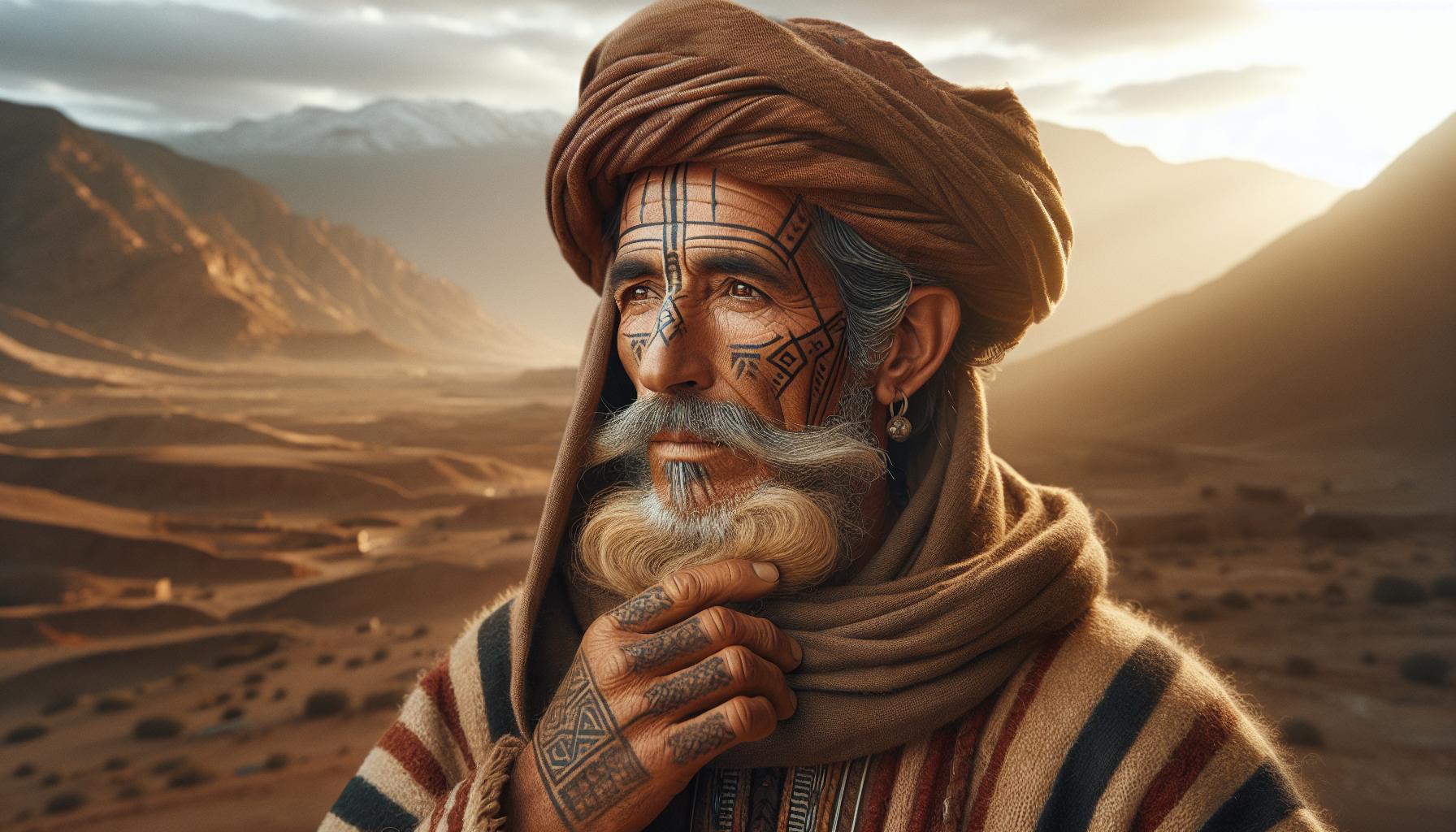
Tatuajes bereberes del norte de África: símbolos sagrados del pueblo amazigh.
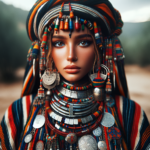
Imagínese una cálida tarde en las montañas del Atlas de Marruecos, con el sol proyectando sombras dinámicas sobre antiguas viviendas de piedra. Se encuentra con un grupo de mujeres amazigh adornadas con impresionantes tatuajes, cada uno contando una historia que ha resonado a través de generaciones. ¿Alguna vez se ha preguntado cuál es el significado detrás de esos intrincados diseños? tatuaje bereber Posee un profundo significado cultural, ya que encarna la identidad y las tradiciones del pueblo amazigh, que ha considerado esta tierra su hogar durante miles de años.
Las raíces históricas de los tatuajes amazigh
Las raíces de los tatuajes bereberes se remontan a la rica historia del norte de África. Estos tatuajes no son meras decoraciones; son símbolos sagrados que han sido utilizados por el pueblo amazigh como expresiones de espiritualidad, identidad y posición social. Desde intrincados patrones geométricos hasta animales simbólicos, cada tatuaje amazigh está impregnado de significado cultural.
Históricamente, los tatuajes fueron especialmente importantes entre las mujeres amazigh. En la antigüedad, se consideraban una protección contra los malos espíritus, y cada tatuaje tenía un significado específico vinculado al linaje familiar, a momentos importantes de la vida o incluso al estado civil. Por ejemplo, un tatuaje de una serpiente podía simbolizar la sabiduría, mientras que una serie de líneas paralelas podía representar la fertilidad. Los tatuajes también servían como ritos de iniciación, marcando el paso de la niñez a la edad adulta.
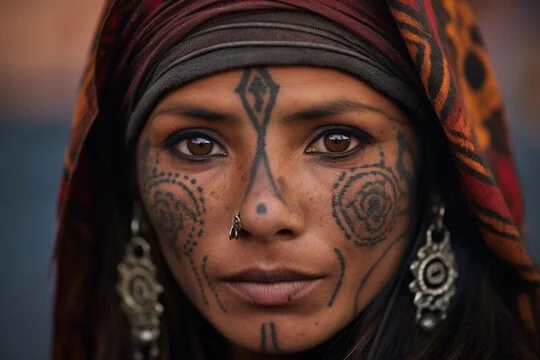
El significado cultural de los tatuajes bereberes
Para comprender el significado cultural de los tatuajes bereberes, es fundamental la conexión que establecen entre el pasado y el presente. Estos tatuajes suelen reflejar el rol de la mujer dentro de su comunidad. Por ejemplo, una mujer que ha dado a luz recientemente puede recibir tatuajes adicionales para simbolizar sus nuevas responsabilidades y logros. En muchas comunidades amazigh, los tatuajes representan la resiliencia y una profunda conexión con la ascendencia. Son una forma de que las personas lleven su herencia visiblemente, como una armadura contra el paso del tiempo y la modernidad.
En un mundo donde las prácticas tradicionales se están olvidando gradualmente, los tatuajes bereberes se erigen como un vibrante testimonio del espíritu perdurable del pueblo amazigh. Los diseños a menudo incorporan símbolos del sol, la luna y las estrellas, elementos que conectan lo terrenal con lo divino, anclando a quienes los portan a su paisaje cultural. Para aquellos interesados en explorar más inspiraciones de tatuajes tribales, consideren profundizar en libros como Diseños de tatuajes tribales que muestran de forma magnífica las conexiones entre el arte corporal y la cultura.
“Los tatuajes no son solo decoración; son las historias de nuestros antepasados, escritas en nuestra piel.”
El resurgimiento contemporáneo de los tatuajes bereberes
Sin embargo, este movimiento no está exento de desafíos. Muchos artesanos amazigh contemporáneos se enfrentan al riesgo de apropiación cultural, donde los matices de su arte se pierden o se tergiversan en la moda dominante. Es crucial para cualquier persona interesada en los tatuajes bereberes apreciar la profundidad y el significado detrás de estos símbolos, no solo como una elección estética, sino como un conmovedor recordatorio de narrativas culturales que esperan ser honradas. Participar en este viaje respetuoso también puede conducir a nuevas exploraciones; por ejemplo, si te encuentras intrigado por los diseños tribales, considera consultar libros como Diseños de tatuajes polinesios o Arte del tatuaje maorí para inspirarse en otras tradiciones tribales.
Visitando comunidades bereberes
El panorama del tatuaje tribal del norte de África abre las puertas a auténticos intercambios culturales e inspiraciones creativas que van más allá de la superficie.
En resumen
Los enlaces de afiliados en este sitio web pueden generar una pequeña comisión sin costo adicional para usted. Este apoyo contribuye a mantener un proyecto dedicado a la belleza y la comprensión cultural del arte tribal.