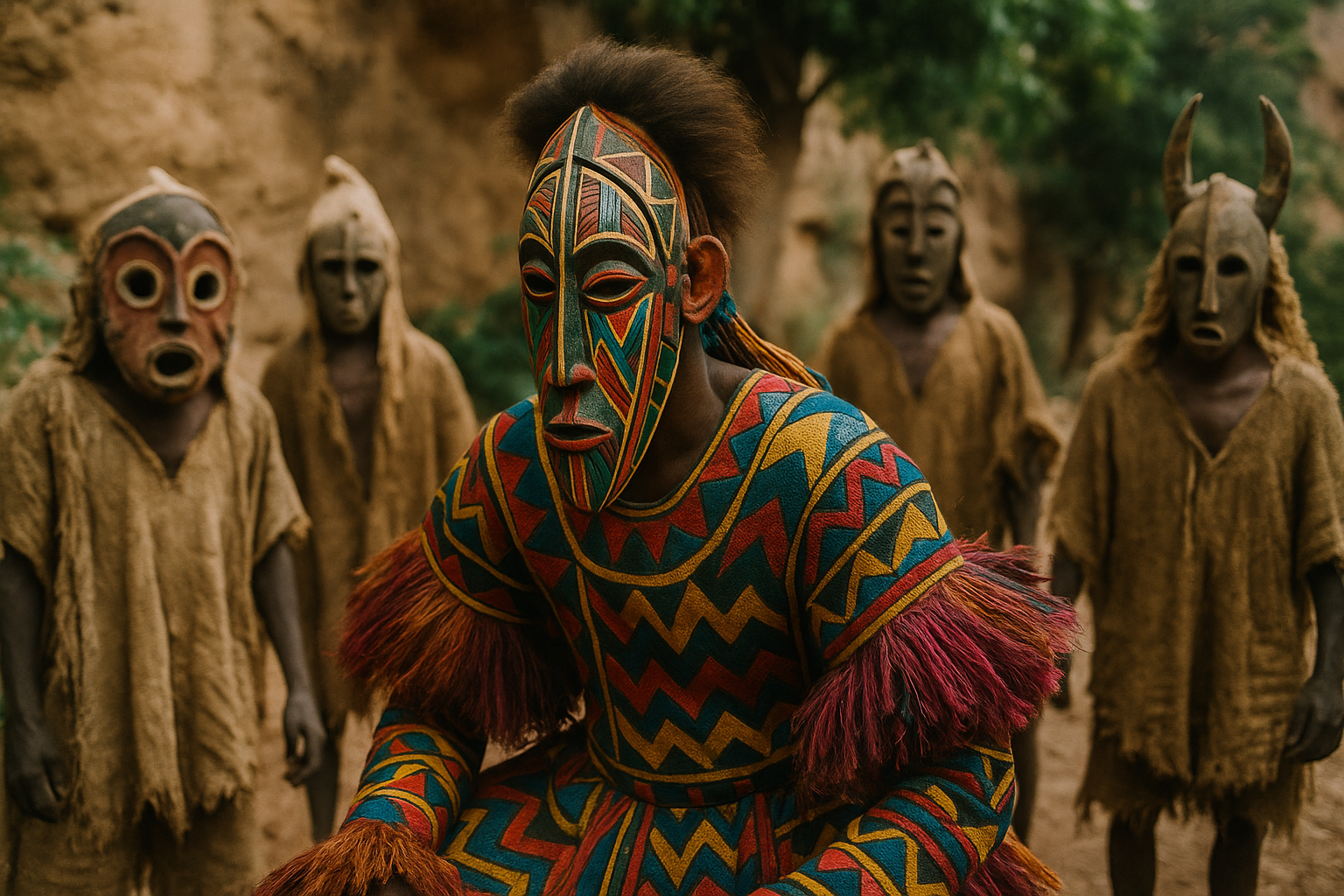
Máscaras: Más que arte en los rituales africanos
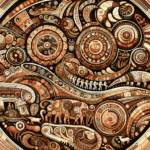
En muchas culturas indígenas, los colores vibrantes y las formas dinámicas del arte tribal no son meras elecciones estéticas; encarnan narrativas culturales complejas e identidades comunitarias. Las máscaras, en particular, sirven como poderosos símbolos de estas narrativas culturales, ilustrando la profunda conexión entre el arte y el ámbito espiritual. Lejos de ser simples adornos, estas máscaras son parte integral de rituales que forjan vínculos entre los vivos y sus ancestros.
El significado espiritual de las máscaras africanas
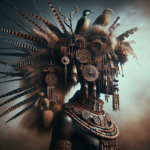
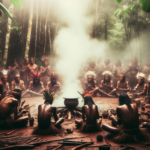
Las máscaras africanas se crean con una meticulosa atención al detalle, reflejando las creencias y tradiciones únicas de diversas tribus. Cada máscara encierra su propia historia, representando a menudo espíritus ancestrales, deidades o incluso la identidad colectiva de una comunidad. Durante los rituales, las máscaras cumplen una doble función: no solo ofrecen un esplendor visual, sino que también actúan como catalizadores para la comunicación con el mundo espiritual. Esta forma de arte permite a las personas acceder a la sabiduría ancestral y poner en práctica los valores comunitarios, reforzando así la identidad grupal.
El proceso de elaboración de máscaras está impregnado de rituales. Los artesanos recurren a un profundo conocimiento de técnicas tradicionales y utilizan materiales de su entorno, lo que enriquece el significado de la máscara. Los colores, las formas y los materiales elegidos no son arbitrarios; están cargados de significados que resuenan con las narrativas culturales de la comunidad. “Estas máscaras no son solo arte; son historias vivas, herramientas de conexión que revelan nuestra humanidad compartida”, explica un antropólogo que estudia el arte tribal.
<h2Beyond Aesthetics: Cultural Identity and Storytelling“Estas máscaras no son solo arte; son historias vivas, herramientas de conexión que revelan nuestra humanidad compartida.”
En muchos casos, las máscaras también se utilizan para preservar la tradición oral, recogiendo relatos que de otro modo se perderían. Los ancianos suelen narrar las historias asociadas a máscaras específicas, asegurando así que las nuevas generaciones se mantengan conectadas con su linaje y patrimonio cultural. Esta práctica de contar historias a través del arte ilustra cómo las narrativas culturales presentes en las máscaras tribales trascienden lo visual para abarcar la esencia misma de la identidad y los valores de una comunidad.
Además, estas máscaras pueden servir como una forma de resistencia contra la desaparición cultural. A medida que los artistas indígenas contemporáneos revitalizan los diseños tradicionales, recuperan su narrativa en un mundo globalizado, recordando a la sociedad la importancia de preservar estas ricas historias.
¿Quieres profundizar en este tema? Lee nuestro artículo completo: Los orígenes del arte tribal: un viaje a través de la historia de la humanidad.
Por qué esto importa
Comprender la importancia de las máscaras en los rituales africanos nos permite apreciar el arte tribal no solo como creaciones estéticas, sino como representaciones vivas de narrativas culturales. Esta perspectiva nos invita a considerar los significados más profundos del arte, fomentando un mayor respeto por las diversas formas en que las comunidades expresan su identidad.