Pueblo Miao de China: Bordados en plata y tradiciones tribales vivas
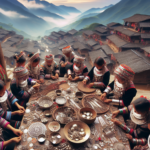
¿Te has preguntado alguna vez cómo es la vida entre las vibrantes colinas de China? Oculto entre estos paisajes se encuentra el pueblo Miao, un grupo étnico diverso conocido por sus ricas tradiciones, sus intrincados bordados y sus adornos de plata. Quizás no estés familiarizado con el término "pueblo Miao de China", pero una vez que te adentres en su mundo, quedarás cautivado por sus historias, su arte y su profunda cultura. Imagina caminar por las exuberantes y brumosas montañas de Guizhou, donde las calles cobran vida con colores, sonidos y celebraciones de la herencia tribal. Es un lugar que te transporta al pasado, donde cada puntada de bordado y cada pieza de plata encierran una historia de identidad y resiliencia.
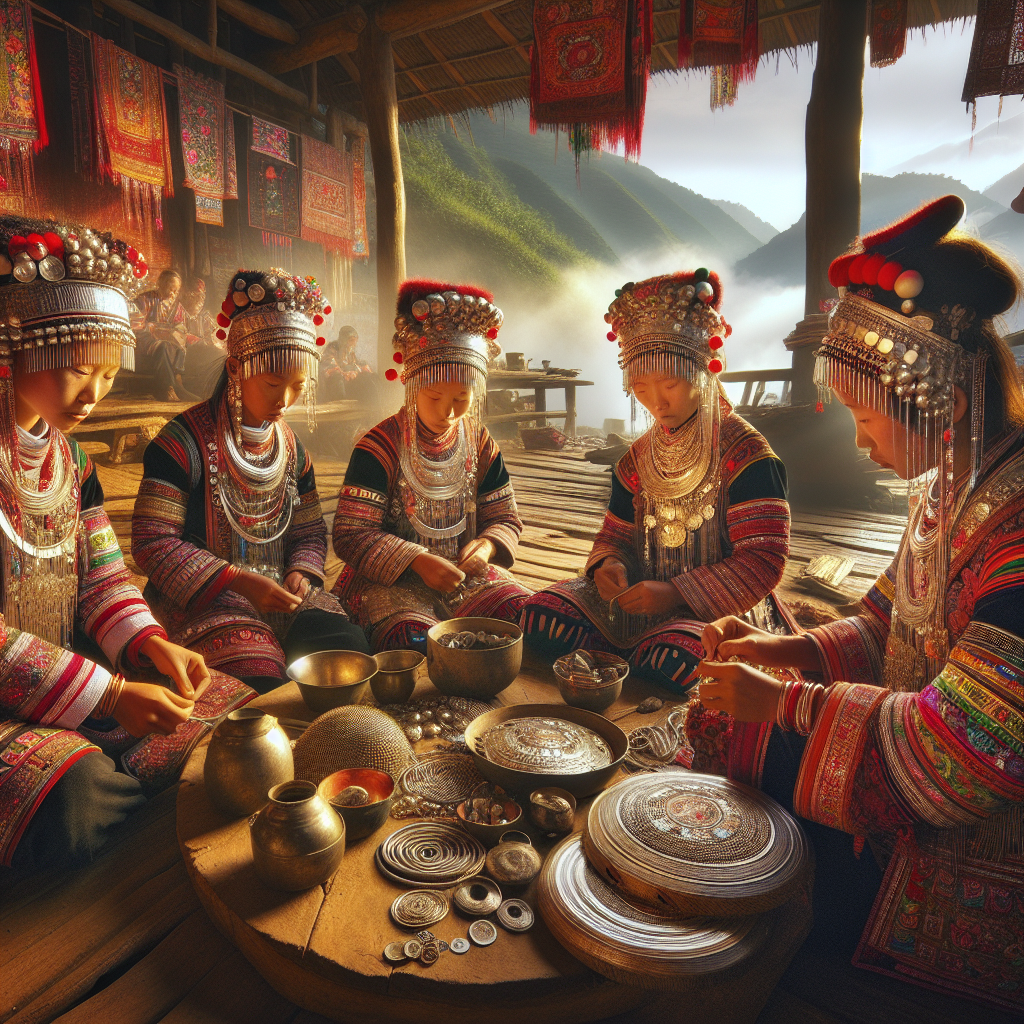
Un viaje a la cultura Miao
Los miao, también conocidos como hmong en algunas regiones, son una de las minorías étnicas reconocidas de China. Con más de 10 millones de personas, el pueblo miao se encuentra principalmente en las provincias de Guizhou, Yunnan, Sichuan y Hunan. Cada región presenta una interpretación única de las tradiciones miao y puede diferir significativamente en costumbres y prácticas. Esta diversidad dentro del pueblo miao enriquece su identidad cultural.
Al visitar las aldeas, enseguida notará lo arraigadas que están sus tradiciones. Desde las elaboradas ceremonias que marcan los acontecimientos importantes de la vida hasta las prácticas cotidianas que refuerzan los lazos comunitarios, el modo de vida del pueblo Miao honra a sus ancestros y celebra la continuidad cultural. Las tradiciones Miao enfatizan el respeto por la naturaleza, los lazos familiares y un espíritu comunitario inquebrantable.
“De forma similar a como un pintor teje historias con colores, el pueblo Miao transmite sus relatos a través de hilos, uniendo bellamente el pasado, el presente y el futuro.”
El arte del bordado
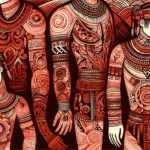
Uno de los elementos más llamativos de la cultura Miao es su bordado. Cada pieza es un vibrante espectáculo de color y detalle, que a menudo refleja el estatus social, el estado civil e incluso la aldea de origen de quien la lleva. El bordado no es meramente decorativo; cuenta una historia rica en símbolos y motivos transmitidos de generación en generación. Los diseños más comunes incluyen intrincados motivos florales y geométricos, a menudo con significados relacionados con la naturaleza, la fertilidad y la protección.
Mientras paseas por los mercados locales, es posible que te sientas encantado por los puestos repletos de prendas, bolsos y artículos de decoración para el hogar bellamente bordados. Muchos artesanos pasan meses perfeccionando una sola pieza, cosiendo pequeños patrones que crean imágenes impresionantes. Para apreciar plenamente esta forma de arte, considera explorar documentales o leer libros como el Libro sobre las culturas tribales del mundo, que ofrece una visión de la vida y la artesanía de diversos artesanos tribales de todo el mundo.
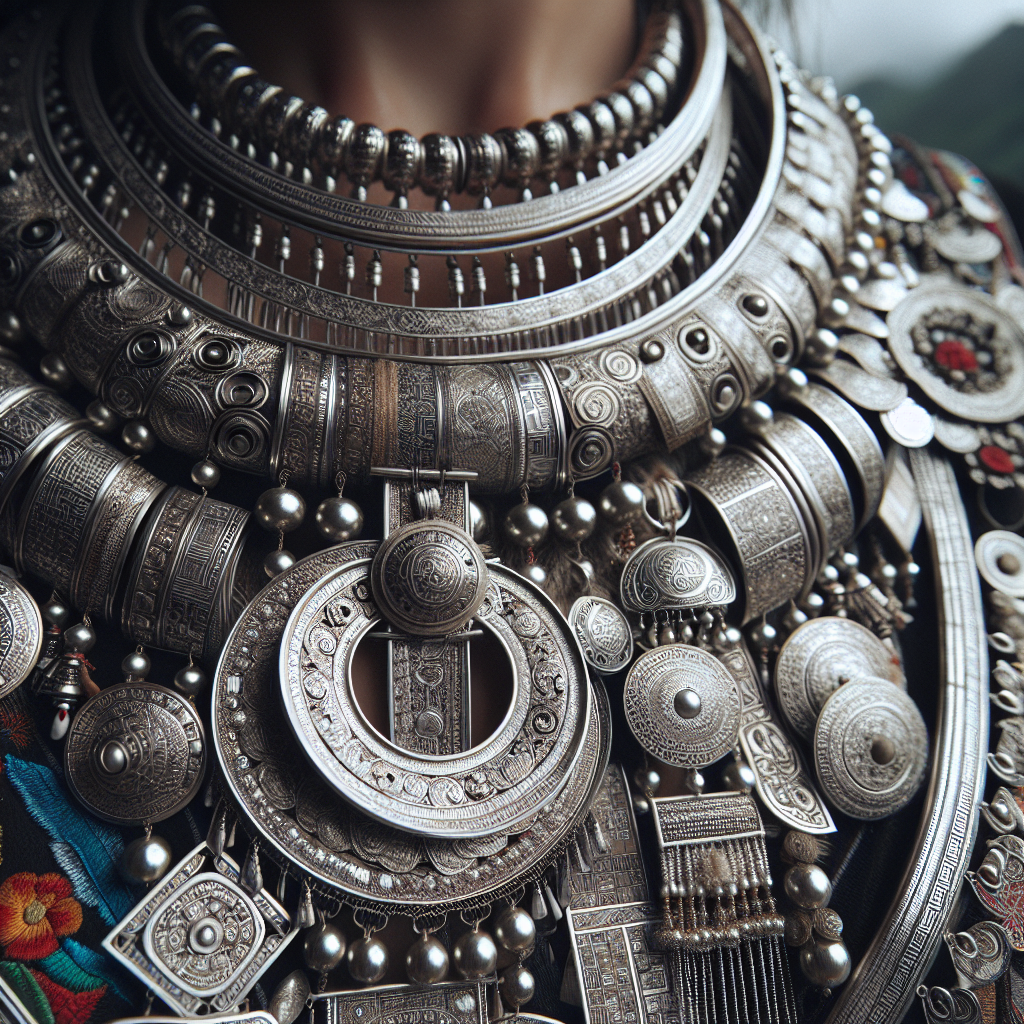
Plata brillante: un símbolo de identidad
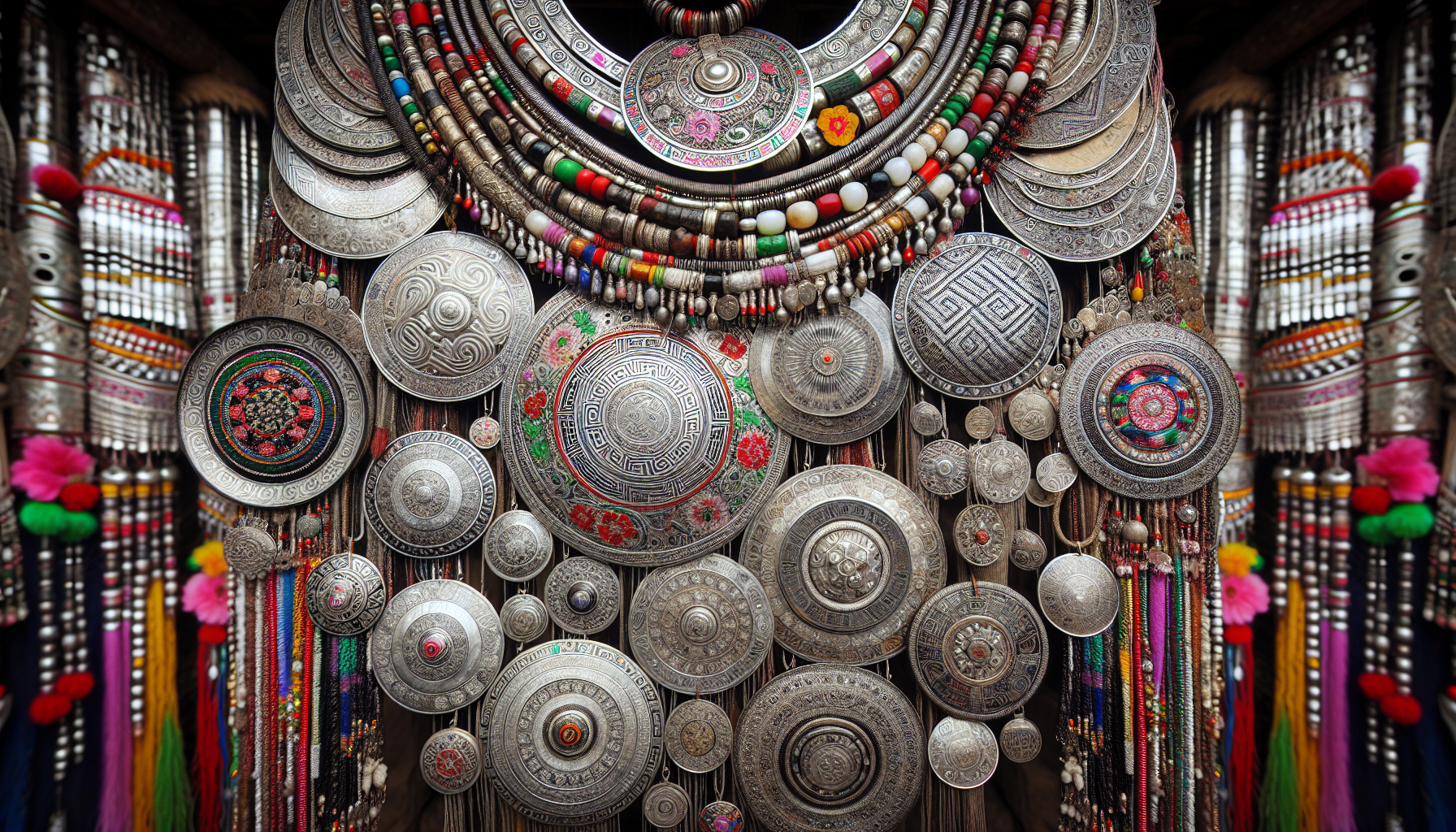
¿Te has fijado en el papel fundamental que desempeña la plata en la vida del pueblo Miao? Para ellos, la plata no es solo joyería; es un símbolo de belleza, riqueza y protección. Las mujeres suelen lucir grandes y elaborados adornos de plata durante festivales y celebraciones, transformando sus atuendos en deslumbrantes piezas que captan la luz. Estas piezas abarcan desde pesados collares y tocados hasta delicadas pulseras y pendientes, cada una diseñada de forma única por hábiles artesanos.
El uso de estas joyas de plata también tiene un significado cultural. Se cree que alejan a los malos espíritus y atraen la buena fortuna. Por lo tanto, la plata se convierte en un accesorio necesario en todos los hitos importantes de la vida, incluidas las bodas y otras ceremonias sagradas. La tradición de la orfebrería es un arte en sí mismo, que conserva técnicas ancestrales transmitidas de generación en generación, al igual que su bordado. Si esta conexión entre arte y cultura te resulta tan fascinante como a mí, libros como el Libro sobre la cultura e historia de la Polinesia Puede profundizar tu comprensión de cómo los materiales pueden moldear la identidad en diferentes culturas.
Festivales Miao: Tradiciones vivas
Si tiene la suerte de visitar la región durante un festival Miao, presenciará un espectáculo inolvidable. Uno de los festivales más importantes es el Año Nuevo Miao, que suele celebrarse a finales de otoño. Durante esta época, los pueblos cobran vida con cantos, bailes y vestimenta tradicional. Las celebraciones permiten a la comunidad rendir homenaje a sus ancestros y expresar gratitud por la cosecha. Podrá disfrutar de fascinantes espectáculos con danzas vibrantes, música tradicional y coloridos trajes que muestran la rica herencia cultural de la comunidad.
Los festivales nos recuerdan que, aunque el mundo avanza a pasos agigantados, la cultura Miao sigue siendo un tapiz vivo entrelazado con tradiciones ancestrales. Estas reuniones son esenciales para fortalecer los lazos comunitarios y reforzar el orgullo cultural entre las generaciones más jóvenes. Cada momento es una oportunidad para contar historias, preservar la historia y cultivar la identidad del pueblo Miao. Es increíble cómo un evento tan comunitario como un festival puede celebrar la individualidad a la vez que une a todos en torno a un patrimonio común.
“En un mundo que a menudo parece fragmentado, el pueblo Miao abraza sus raíces, recordándonos que nuestra identidad está bellamente tejida con historias, valores y tradiciones.”
Desafíos y resiliencia
Si bien el pueblo Miao sigue prosperando gracias a sus vibrantes tradiciones, también enfrenta desafíos comunes a muchas comunidades indígenas en todo el mundo. La modernización amenaza su modo de vida tradicional, y las generaciones más jóvenes suelen sentirse atraídas por la vida urbana, lo que pone en riesgo la dilución de sus prácticas culturales. Afortunadamente, existe una creciente conciencia y aprecio por estas tradiciones étnicas, impulsado por viajeros conscientes y entusiastas de la cultura.
Organizaciones y artesanos locales trabajan incansablemente para promover la artesanía y las tradiciones Miao tanto en China como a nivel mundial. Este esfuerzo contribuye a la supervivencia de su apreciado arte, a la vez que proporciona ingresos sostenibles a quienes se dedican a preservar su cultura. Si desea apoyar al pueblo Miao y descubrir su arte, considere adquirir artesanías hechas a mano o prendas tradicionales de origen ético durante sus viajes.
Qué significa esto para ti
Explorar el mundo del pueblo Miao de China ofrece una visión fascinante de las maravillas de su cultura y tradiciones tribales. A través de sus elaborados bordados y deslumbrantes joyas de plata, se puede apreciar cómo estos artesanos canalizan su historia e identidad en algo de una belleza singular. Al apreciar su artesanía, uno se conecta con una historia que trasciende generaciones y fronteras.
Tanto si planeas visitar Guizhou como si simplemente quieres profundizar en la rica cultura de los pueblos indígenas de todo el mundo, sumérgete en el aprendizaje. Disfruta de las obras que te inspiren y comparte tus descubrimientos. No solo estarás explorando arte; estarás conectando con una comunidad que nos recuerda la belleza de la herencia y la tradición. Incluso podrías descubrir que comprender al pueblo Miao te ayuda a descubrir tus propias pasiones culturales.
Los enlaces de afiliados en este sitio web pueden generar una pequeña comisión sin costo adicional para usted. Este apoyo contribuye a mantener un proyecto dedicado a la belleza y la comprensión cultural del arte tribal.