Paul Gauguin: Arte, cultura y visión tribal
El arte tribal influyó profundamente en Paul Gauguin, uno de los pintores postimpresionistas más importantes. Su búsqueda de la espiritualidad lo llevó a explorar diversas culturas, capturando su esencia en su obra.
Su trabajo con el arte tribal
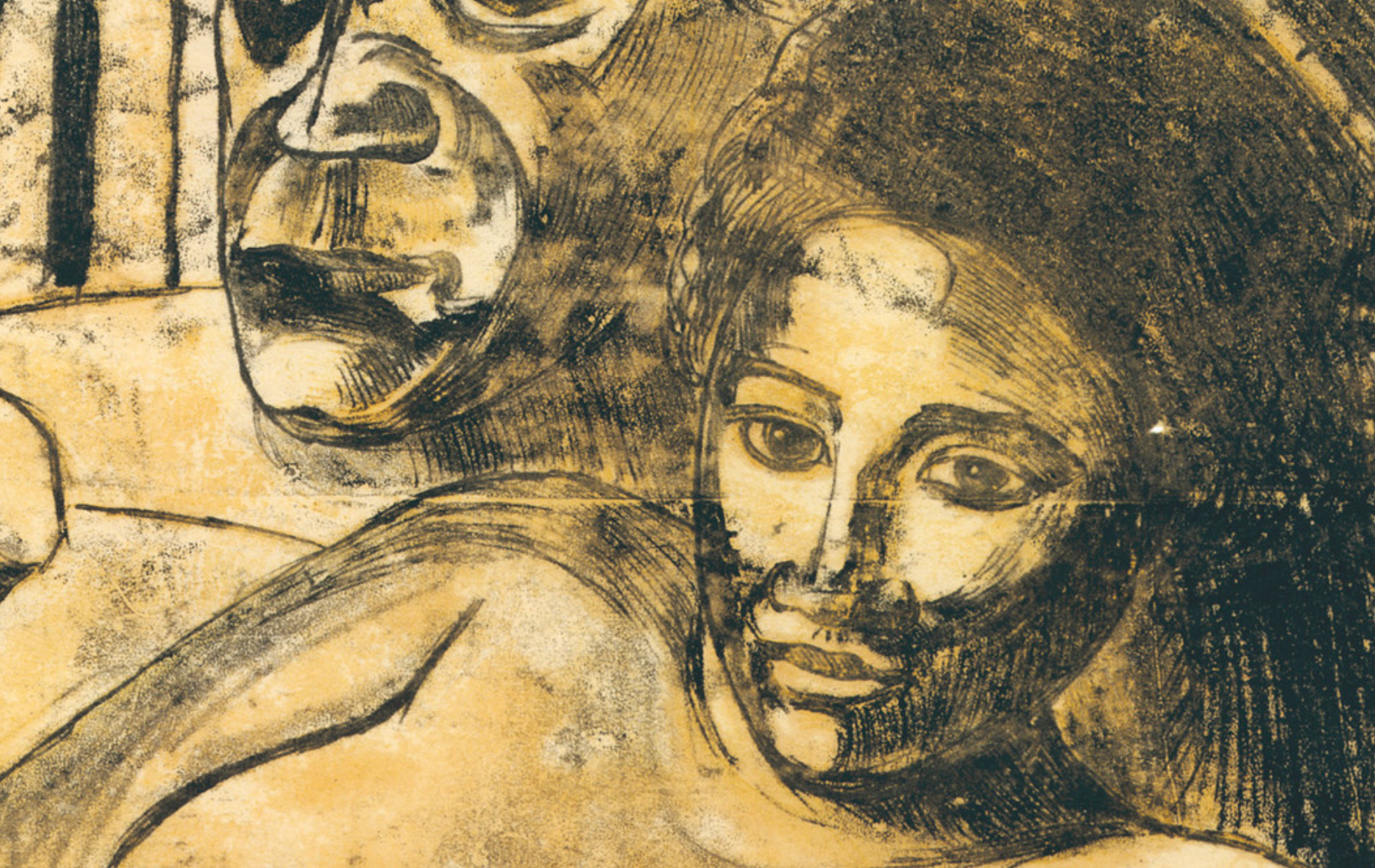
La fascinación de Gauguin por los temas tribales no era meramente estética; era profundamente espiritual. Su interés por los mitos y la vida cotidiana de la Polinesia surgió como respuesta a su desilusión con la sociedad europea. En Tahití, descubrió un mundo impregnado de ricas tradiciones y relatos vibrantes. Gauguin empleó colores intensos, formas planas y simbolismo para expresar su interpretación de la vida polinesia, fusionando elementos de su cultura con una visión personal basada en el sentimiento. Su técnica, caracterizada por tonalidades vibrantes y formas simplificadas, era inigualable en su capacidad para transmitir la esencia misma de la tierra y su gente.

Obras y proyectos clave
Entre las obras más veneradas de Gauguin se encuentra “Mujeres de Tahití” (1891), donde plasma la belleza y la complejidad de las mujeres tahitianas más allá de la mirada del voyeurismo colonial. Esta pintura, rica en simbolismo, refleja su fascinación por la conexión intrínseca entre la tierra, la espiritualidad y la forma femenina en la cultura polinesia. Otra obra significativa, “¿De dónde venimos? ¿Qué somos? ¿A dónde vamos?” (1897), representa una exploración filosófica de la existencia a través de la imaginería tahitiana, mostrando su intento de dialogar con temas universales mediante símbolos culturales específicos. Estas piezas siguen siendo fuente de profundas reflexiones sobre la intersección entre arte, cultura e identidad.
Por qué su trabajo importa hoy
La obra de Gauguin desempeña un papel fundamental en la revalorización y reinterpretación del mundo tribal, ya que utilizó su plataforma para mostrar la belleza y la profundidad de culturas a menudo ignoradas o tergiversadas. En una época en la que las historias indígenas aún luchan por ser reconocidas, el arte de Gauguin nos invita a explorar las complejidades de la apropiación, la representación y el papel del artista en la comprensión y transmisión de narrativas tribales. Hoy, a medida que las sociedades se vuelven más conscientes de las sensibilidades culturales, las obras de Gauguin sirven como punto de partida para debates sobre el intercambio ético entre culturas y la importancia del arte como medio para la empatía y la comprensión.
Lecturas y recursos adicionales
Reflexiones finales: Las exploraciones de Paul Gauguin sobre el arte tribal siguen siendo un testimonio del espíritu de la indagación cultural. Su visión, si bien controvertida, nos invita a reflexionar sobre cómo el arte puede trascender el tiempo y tender puentes entre culturas. A través de sus vívidas representaciones, recordamos la riqueza que las diversas narrativas culturales aportan a nuestra experiencia humana compartida.