Flour and Water: A Modern Twist on Ancient Art
While modern body art may seem like a contemporary phenomenon, the use of flour and water to create temporary tattoos surprisingly links back to age-old traditional henna techniques employed in South Asia and North Africa. This simple mixture not only serves as a canvas for personal expression but also connects today’s DIY enthusiasts with the cultural heritage of body decoration that has thrived for centuries.
Reviving Ancient Practices with Simple Ingredients
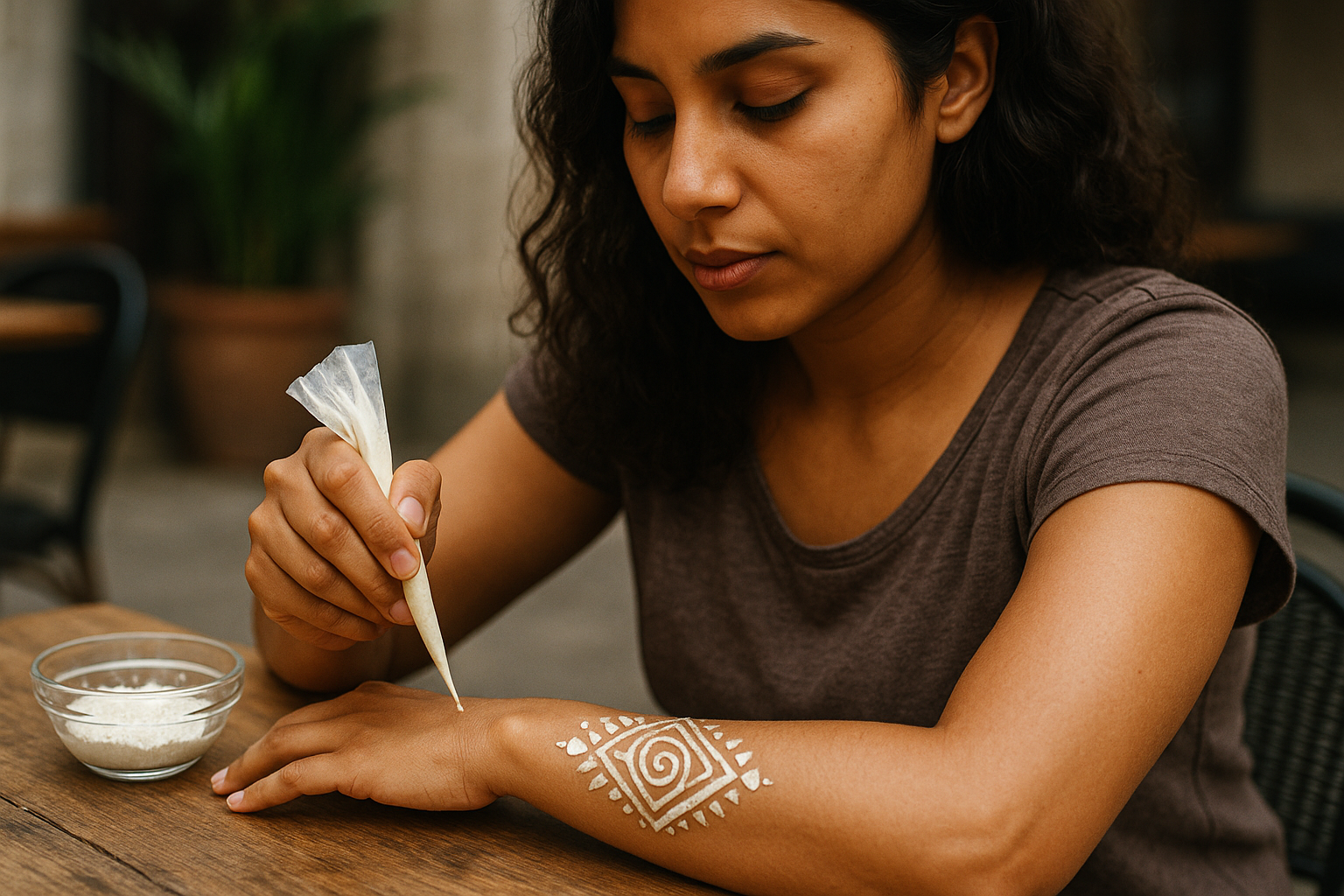
The method of using flour and water to generate a paste for temporary tattoos is remarkably similar to the painstaking preparation of henna. Traditionally, henna paste is made from the leaves of the Lawsonia inermis plant, which are ground into a fine powder, mixed with water, and sometimes enhanced with essential oils. This connection illustrates how basic materials can be transformed into complex forms of art. Just as henna has been used to adorn the skin for celebrations and rites of passage, the flour and water paste can serve as a temporary marker of identity, creativity, and even social commentary.
In both practices, the art of body decoration serves not only as beautification but also as a storytelling medium. Each design carries significance, often symbolizing cultural beliefs, personal milestones, or communal ties. The flour and water tattoos allow modern practitioners to explore these narratives without the permanence of traditional tattooing, making the art more accessible while still honoring its roots.
“Using flour and water brings to life the ancient art of body decoration, reminding us that creativity can thrive through the simplest of materials.”
Contemporary Connections to Cultural Heritage
This revival of traditional henna techniques through modern materials also highlights how cultures can adapt and evolve over time. The proliferation of DIY projects, especially in the realm of body art, encourages a fusion of old and new, allowing artists to reinterpret traditional themes while making them relevant to today’s audience. The use of flour and water connects not just to the aesthetic aspects of tattooing but also invites a deeper reflection on cultural significance and the preservation of heritage.
Want to explore this further? Read our full article: DIY Temporary Tribal Tattoos: Step by Step for Beginners
Why This Matters
Understanding the links between modern DIY techniques and traditional henna practices underscores the continuity of cultural expression. As we engage with these ancient methods, we not only celebrate their beauty but also acknowledge the depth of history they carry, fostering a greater appreciation for the diverse practices of body art around the world.