Granaries: Spiritual Guardians of the Harvest
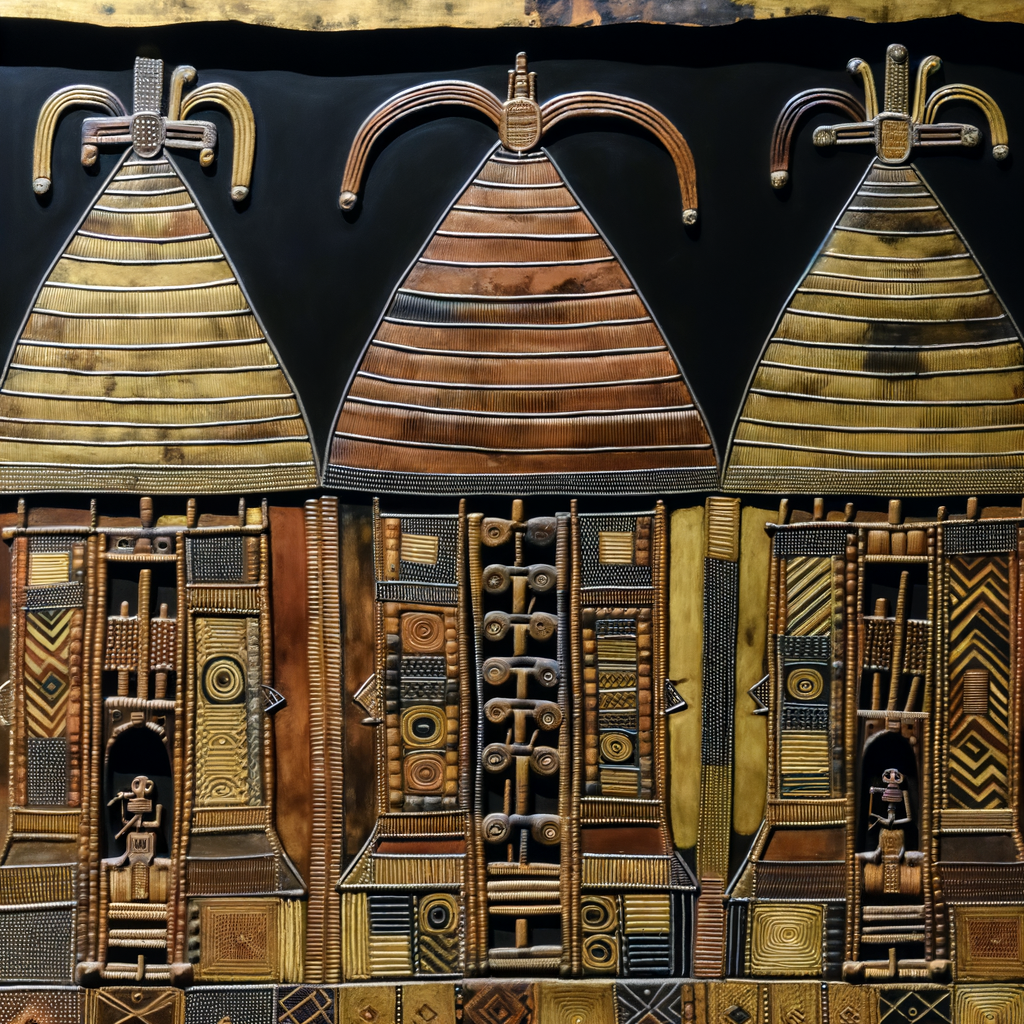
The architectural design of Dogon granaries transcends mere storage functionality; these structures are adorned with intricate symbols that reflect agricultural themes, embodying the community’s reliance on sustenance. This rich artistic expression serves not only to protect the harvest but also to manifest a profound spiritual connection to the earth, deeply rooted in Dogon cosmological beliefs. Within the context of spiritual symbolism in architectural art, Dogon granaries exemplify how practicality and spirituality seamlessly intertwine in everyday life.
Art as a Reflection of Belief
In the Dogon culture of Mali, granaries are much more than just functional storage spaces; they are vibrant canvases that tell the story of agricultural life and the community’s spiritual ethos. The symbols carved and painted on these granaries often depict elements of nature, such as the fertility of the land and the cycles of life, which are central to the Dogon worldview. Each design is a narrative of fertility, growth, and the sustenance that underpins the community’s survival.
The granaries are typically constructed in clusters and often reflect the family lineage and social status of the owners. This architectural style ensures that each granary is not only a shelter for grains but also a site of communal pride and identity. The careful detailing of the granary’s exterior serves a dual purpose; it beautifies the landscape while safeguarding the harvest within. As such, these structures stand as guardians of both physical nourishment and spiritual well-being.
The Dogon granary is a potent symbol of how spirituality intertwines with daily life, illustrating that even the most mundane objects can carry profound cultural significance.
Guardians of Community and Cosmos
Beyond their role in storage, Dogon granaries represent a cultural keystone that connects the community with the cosmos. The architectural art embedded in these structures often symbolizes celestial bodies and agricultural deities, creating a bridge between the earth and the heavens. This connection is vital for the Dogon, who believe that their agricultural practices are influenced by celestial movements and spiritual forces. Thus, the granaries serve as both a physical and metaphysical safeguard for the harvest, representing a harmonious coexistence with nature and the universe.
Want to explore this further? Read our full article: Dogon Art of Mali: Masks Granaries and the Cosmic Order
What This Means for You
Understanding the spiritual symbolism in architectural art, particularly through the lens of Dogon granaries, encourages us to appreciate the deeper narratives behind everyday objects. These insights not only enrich our appreciation of tribal cultures but also challenge us to recognize the significance of art in our own lives.