Healing Through Art: Henna’s Medicinal Roots
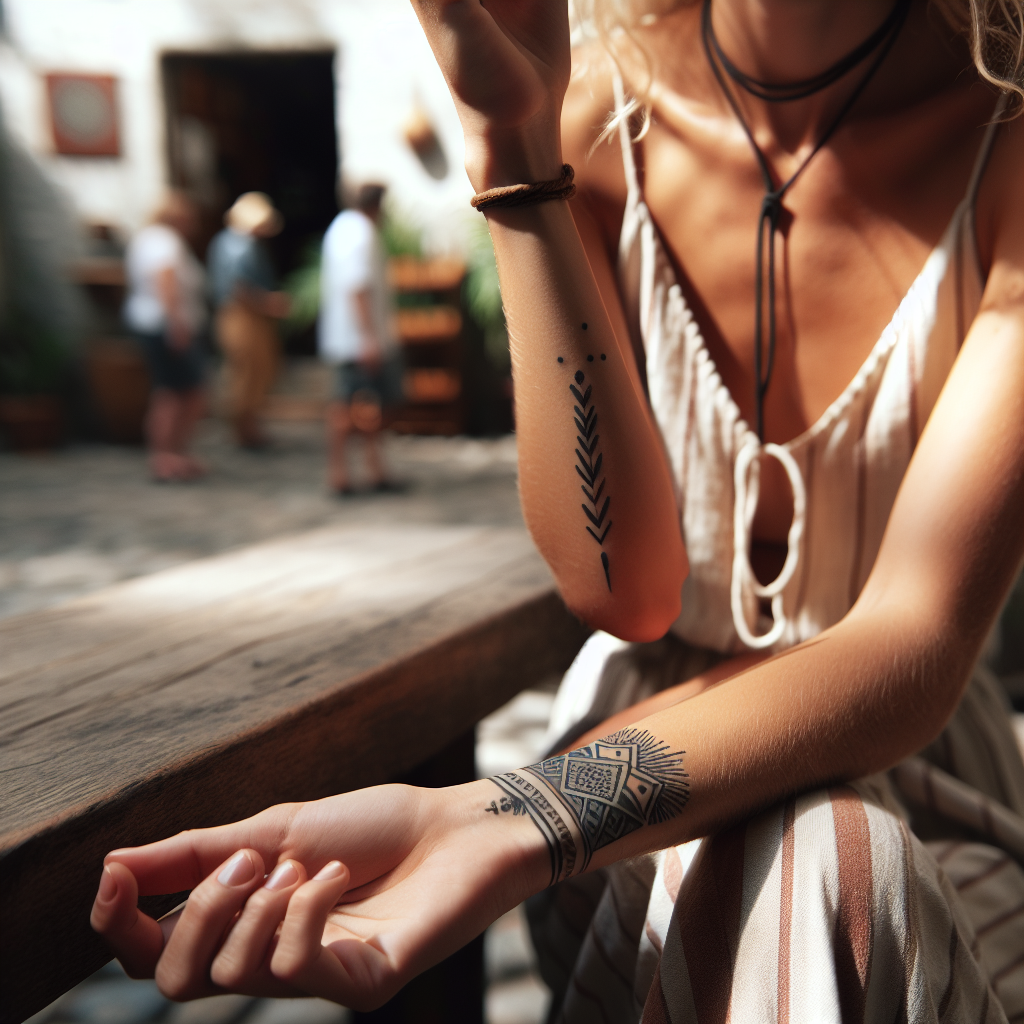
While henna is often celebrated for its intricate designs and vibrant hues, its significance extends far beyond mere decoration in various tribal cultures. The medicinal uses of henna in tribal cultures reflect a deep understanding of the natural world and the ways in which art can serve dual purposes. From cooling the body to soothing skin irritations, henna is a powerful example of how beauty and health can seamlessly intertwine.
Henna’s Therapeutic Properties
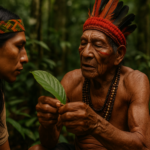
In numerous indigenous traditions, henna is revered not just as a body art medium but as a natural remedy. Communities have long recognized its ability to cool the body, particularly in hotter climates. By applying henna paste to the skin, individuals often experience a refreshing sensation that helps alleviate heat-related discomfort. This cooling effect is attributed to the natural properties of the henna plant, which has been used for centuries to manage body temperature during sweltering days.
Moreover, the medicinal uses of henna in tribal cultures extend to its application for skin ailments. The plant contains anti-inflammatory and antimicrobial properties, making it effective in treating various skin irritations, including rashes and burns. Many tribes incorporate henna into their traditional healing practices, applying it not only for aesthetic reasons but also as a means of promoting skin health. This unique blend of art and medicine exemplifies the holistic approach that many indigenous cultures take towards well-being.
“Henna represents a beautiful intersection of art and healing, reminding us that creativity can nurture both the body and spirit.”
Art as a Healing Ritual
The role of henna as a medicinal tool also highlights the ritualistic aspects of its application. In many tribal cultures, the process of applying henna is steeped in tradition, often performed during significant life events such as weddings or festivals. These gatherings not only celebrate beauty but also serve as communal healing rituals, fostering a sense of connectedness among participants. The act of adorning oneself with henna transcends aesthetics, reinforcing cultural identity and shared healing practices.
Through these lenses, henna becomes more than a temporary adornment; it emerges as a symbol of resilience and well-being deeply embedded in tribal heritage.
Want to explore this further? Read our full article: Henna for Festivals: Creating Stunning Tribal Looks for Any Event
Why This Matters
Understanding the medicinal uses of henna in tribal cultures allows us to appreciate the multi-faceted significance of this art form. It encourages a broader perspective on how art can impact health and well-being, ultimately emphasizing the valuable lessons that indigenous practices hold for contemporary society.