How Bruce Clarke’s South African Roots Transform Contemporary Art Through Tribal Memory and Identity
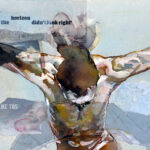
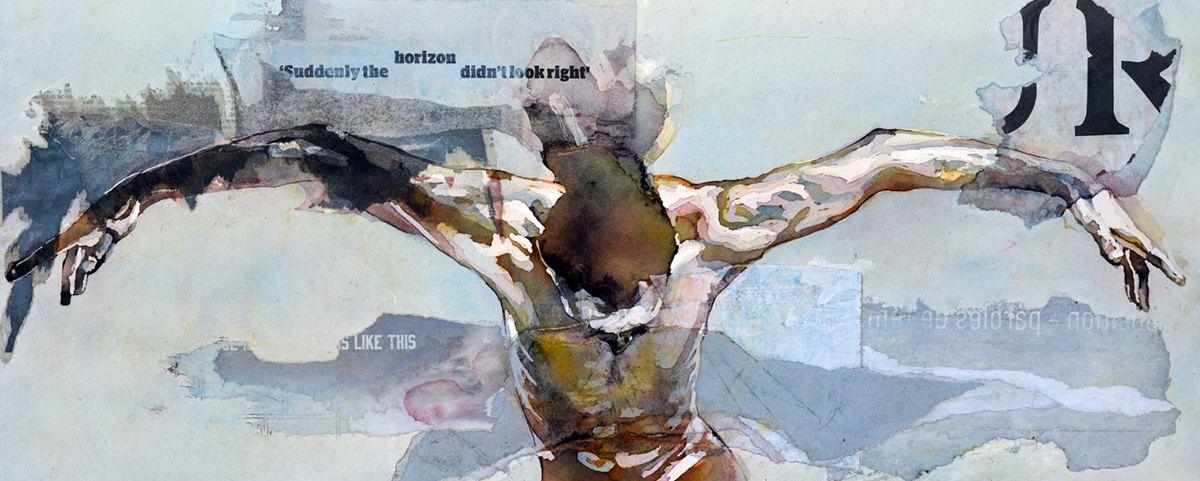
In a striking fusion of contemporary techniques and ancestral memory, Bruce Clarke’s work resonates deeply with the traditions of South African tribal art. One of his notable pieces presents a headless Black figure with outstretched arms, a symbolic cruciform pose that captures both transcendence and trauma. The fluid watercolor and collage techniques convey an urgency, while the fragmented text overlay, proclaiming, ‘Suddenly the horizon didn’t look right,’ brings forth an unsettling yet profound commentary on identity and historical dislocation. The raw treatment of the figure echoes the intricacies of traditional Zulu and Xhosa body painting and scarification practices, reflecting a dialogue between contemporary art and the legacies of colonial violence.
Who Is Bruce Clarke?
Bruce Clarke is a South African contemporary artist, born and raised in the rich cultural tapestry of a nation marked by its complex history. Clarke’s educational background is rooted in both traditional and contemporary art practices, providing him with a unique vantage point in the modern art world. Over the years, he has become a well-respected figure in contemporary African painting, particularly in the post-apartheid context, representing the multilayered identities that emerge from a tumultuous past. His work often grapples with themes of memory, healing, and the ongoing redefinition of African identity. Clarke seeks to use his art as a means of voice and expression, revealing the fractures and resilience found within communities shaped by colonial and apartheid legacies.
The Tribal Art That Changed Everything
Clarke’s artistic journey is undeniably connected to the tribal cultures of South Africa, particularly the rich traditions of the Zulu and Xhosa people. His early encounters with these cultures, often through familial ties and community experiences, deeply inform his artistic expression. The indigenous practices of body painting and ritual, integral to Zulu and Xhosa communities, serve as a profound source of inspiration. In these cultures, body art is not merely aesthetic; it is a language of identity, status, and connection to the ancestral realm.
It was during Clarke’s formative years, alongside the broader resurgence of interest in African art, that he began to explore these themes more deliberately. The intersection of his identity as a South African artist and his engagement with tribal art allows for a contemporary dialogue that honors tradition while challenging and redefining notions of identity and belonging.
Reading the Influence in the Work
In the aforementioned painting, the viewer can see Clarke’s homage to tribal art through both formal and thematic elements. The headless figure, while unsettling, symbolizes the disembodiment many individuals feel in a world marked by colonial wounds and post-apartheid identity struggles. The outstretched arms mimic traditional Zulu and Xhosa ceremonial poses seen in various cultural rituals, reinforcing the connection with ancestry and heritage.
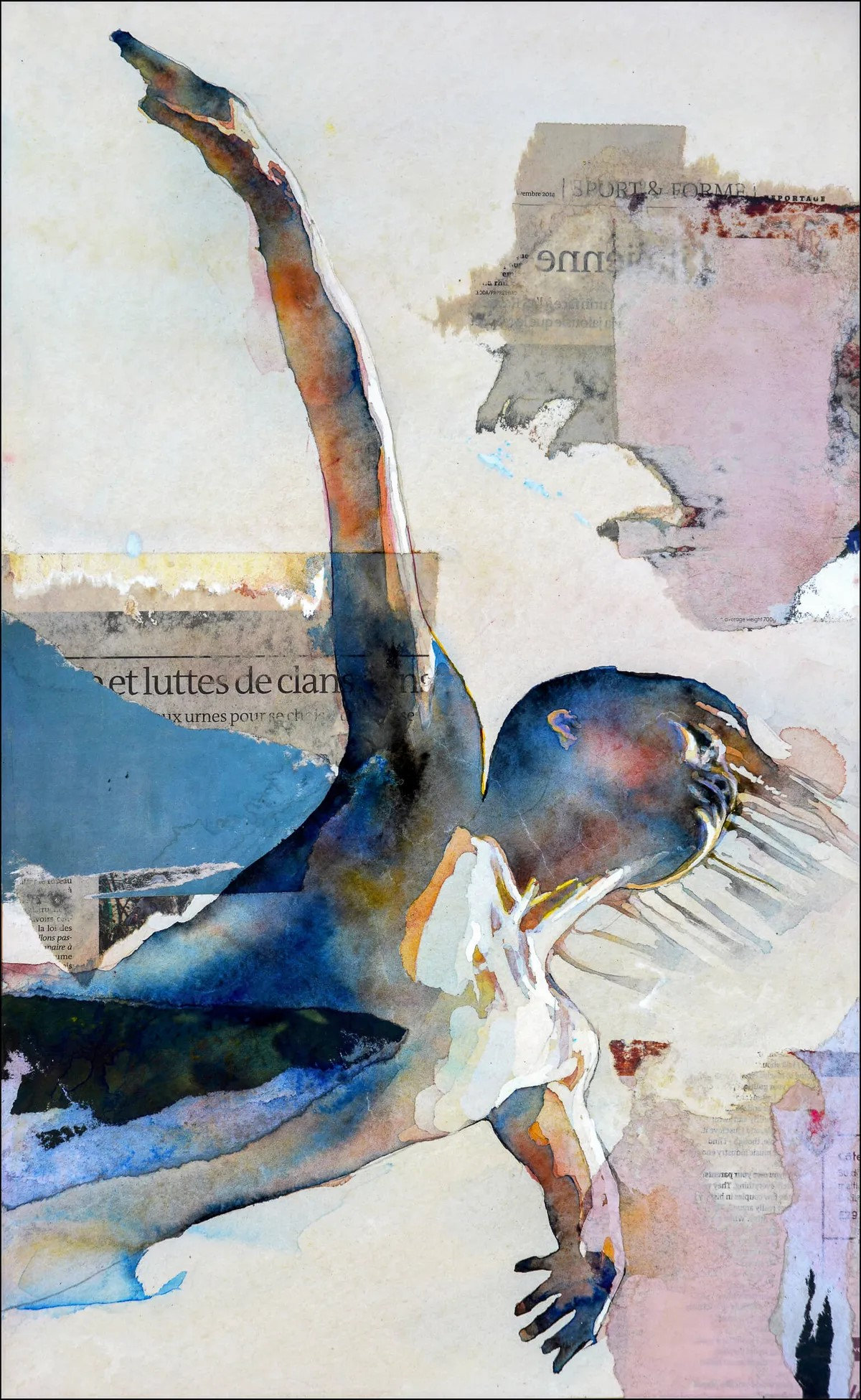
The use of collage further emphasizes the fragmented experience of identity—bringing together pieces from different historical narratives. The incorporation of text, particularly phrases that evoke a sense of unease or disruption, invites viewers to reflect on their perceptions of identity and heritage. Together, these elements create a conversation about the interplay of memory, pain, and resilience, rendering Clarke’s work a contemporary lens through which we can examine the past and its enduring impacts.
The dialogue between my art and tribal traditions is a journey through memory—a vibrant tapestry that speaks to the scars and stories of my people.
Why This Dialogue Between Cultures Matters
The significance of bridging contemporary art with tribal memory cannot be overstated. Clarke’s work serves not only as a reflection of his personal narrative but also as a microcosm of broader cultural conversations happening within art today. As we explore the relationship between modern artists and indigenous traditions, we find that this dialogue fosters cross-cultural appreciation and understanding.
Through his commitment to honoring tribal influences while addressing modern societal issues, Clarke reshapes our comprehension of art as a vessel for reflection and healing. This dynamic interplay enriches the narrative of contemporary African painting, paving the way for others to explore and articulate their identities amid historical complexities. As art continues to evolve, embracing diverse traditions becomes imperative for a more inclusive and holistic understanding of human experience.
Final Thoughts
Bruce Clarke’s artistic journey is emblematic of the transformative power of art. By interweaving contemporary practices with traditional tribal memory, he creates a dialogue that carries the weight of history while granting voice to the complexities of identity in a rapidly changing world. His work serves as a bridge between the past and present, inviting us all to engage in the rich tapestry of cultural expression that defines our shared humanity.
Books & Resources You Might Enjoy
- Paul Gauguin: A Journey to Tahiti (Adventures in Art)
- Primitivism in Modern Art
- The Land Carries Our Ancestors: Contemporary Art by Native Americans
References & Further Reading
Image courtesy of: Bruce Clarke / www.sitges.cat — www.sitges.cat
Affiliate links on this website may generate a small commission at no extra cost to you. This support helps sustain a project dedicated to the beauty and cultural understanding of tribal art.