How Zacharias Kunuk’s Inuit Cinema Preserves Indigenous Stories at the Venice Biennale
Zacharias Kunuk is a pioneering force in Indigenous cinema, particularly known for his work within the Inuit community of Canada. Born in 1957 in Igloolik, Nunavut, Kunuk grew up surrounded by the Arctic’s rich cultural heritage and oral traditions. His career as a filmmaker began in the 1990s, when he co-founded Isuma Productions, which became instrumental in developing Inuit-language films. Through his cinematic storytelling, Kunuk has sought to preserve and elevate Indigenous narratives, blending traditional knowledge with modern filmmaking techniques. His notable film, *One Day in the Life of Noah Piugattuk*, speaks powerfully to the themes of resilience, colonization, and community, marking a significant stride for Inuit representation at prestigious international art events, such as the Venice Biennale.
The Tribal Art That Changed Everything
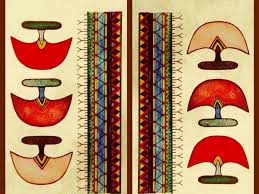
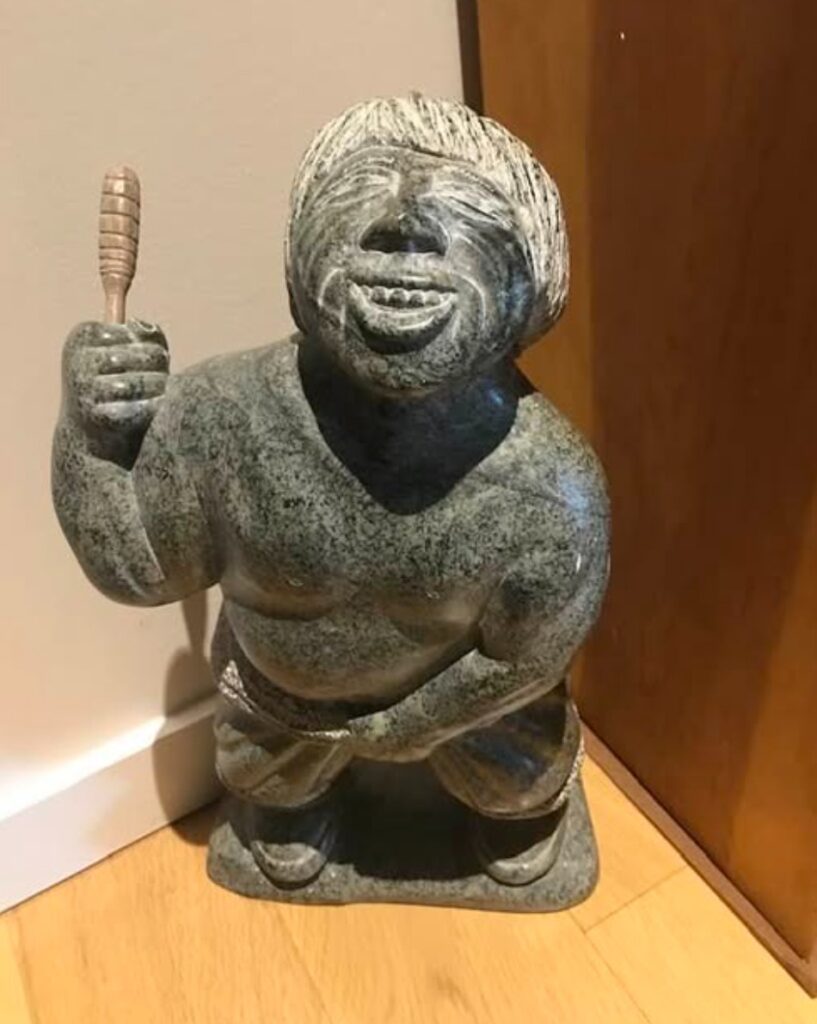
The Inuit culture, with its intricate storytelling and profound connection to the Arctic landscape, has been a linchpin in Kunuk’s life and work. Growing up in a community that values oral history, he was naturally drawn to the art forms rooted in Inuit traditions—from the rich narratives conveyed through spoken word to the captivating visual arts that include carvings and textile embellishments. The unique aesthetic found in Inuit art, including geometric patterns such as semi-circular forms and chevron designs, serves as a backdrop to his filmic vision. In *One Day in the Life of Noah Piugattuk*, Kunuk translates these traditional motifs not only as visual elements but as essential narrative devices that give voice to the challenges faced by Inuit communities, particularly the forced relocations that disrupted their way of life.
Reading the Influence in the Work
Visually, *One Day in the Life of Noah Piugattuk* is a tapestry woven with the threads of Inuit artistic heritage. The earthy reds, browns, and ochres often found in Inuit clothing and ceremonial objects are echoed in the film’s cinematography. These colors ground the viewer in the natural world that is central to Inuit life, while the symmetrical compositions evoke the aesthetic principles of traditional Inuit designs. For example, as you watch the film, you’ll notice how the camera captures not only the raw beauty of the Arctic landscape but also the way in which the characters navigate that space. The film’s engagement with geometric patterns parallels the visual culture of Inuit artists—observing the world, just as Kunuk does, through a distinctive lens that honors tradition while engaging with contemporary issues.
“Inuit storytelling is a vibrant lifeline, preserving our history and ensuring our future in every frame.”
This dialogue between the cinematic and the tribal reflects a broader intention to fuse aesthetic with authenticity. By referencing Inuit art forms throughout his filmmaking, Kunuk invites audiences to experience a narrative that resonates across cultures, allowing for a deeper understanding of Inuit life and the enduring impact of colonization.
Why This Dialogue Between Cultures Matters
The significance of Kunuk’s work extends beyond the screen—it opens avenues for an essential dialogue between cultures. By showcasing Inuit perspectives in a global context like the Venice Biennale, he not only elevates Indigenous voices but also challenges dominant narratives that have long marginalized them. Through *One Day in the Life of Noah Piugattuk*, Kunuk emphasizes the importance of preserving Indigenous traditions while also adapting them to modern contexts. This reciprocal relationship fosters a genuine appreciation for cross-cultural exchanges, encouraging artists and audiences alike to reflect on their own cultural contexts and shared histories.
What This Means for You
As you engage with the work of Zacharias Kunuk, consider how film and art serve as vital conduits for storytelling. In a world that is often disconnected from traditional narratives, Kunuk’s films remind us of the beauty in cultural heritage and the resilience of community bonds that transcend time. Viewing *One Day in the Life of Noah Piugattuk* not only enriches our understanding of Inuit life but also inspires a broader contemplation of how we can all contribute to preserving the stories that shape our identities. Immerse yourself in this powerful cinematic experience, and allow the vibrant tapestry of Inuit culture to unfold before you.
Books & Resources You Might Enjoy
- Paul Gauguin: A Journey to Tahiti (Adventures in Art)
- Primitivism in Modern Art
- The Land Carries Our Ancestors: Contemporary Art by Native Americans
References & Further Reading
Image courtesy of: Zacharias Kunuk / www.artbasel.com — www.artbasel.com
Affiliate links on this website may generate a small commission at no extra cost to you. This support helps sustain a project dedicated to the beauty and cultural understanding of tribal art.