Marquesan Tiki Stone Sculpture: Sacred Ancestor Figures of French Polynesia
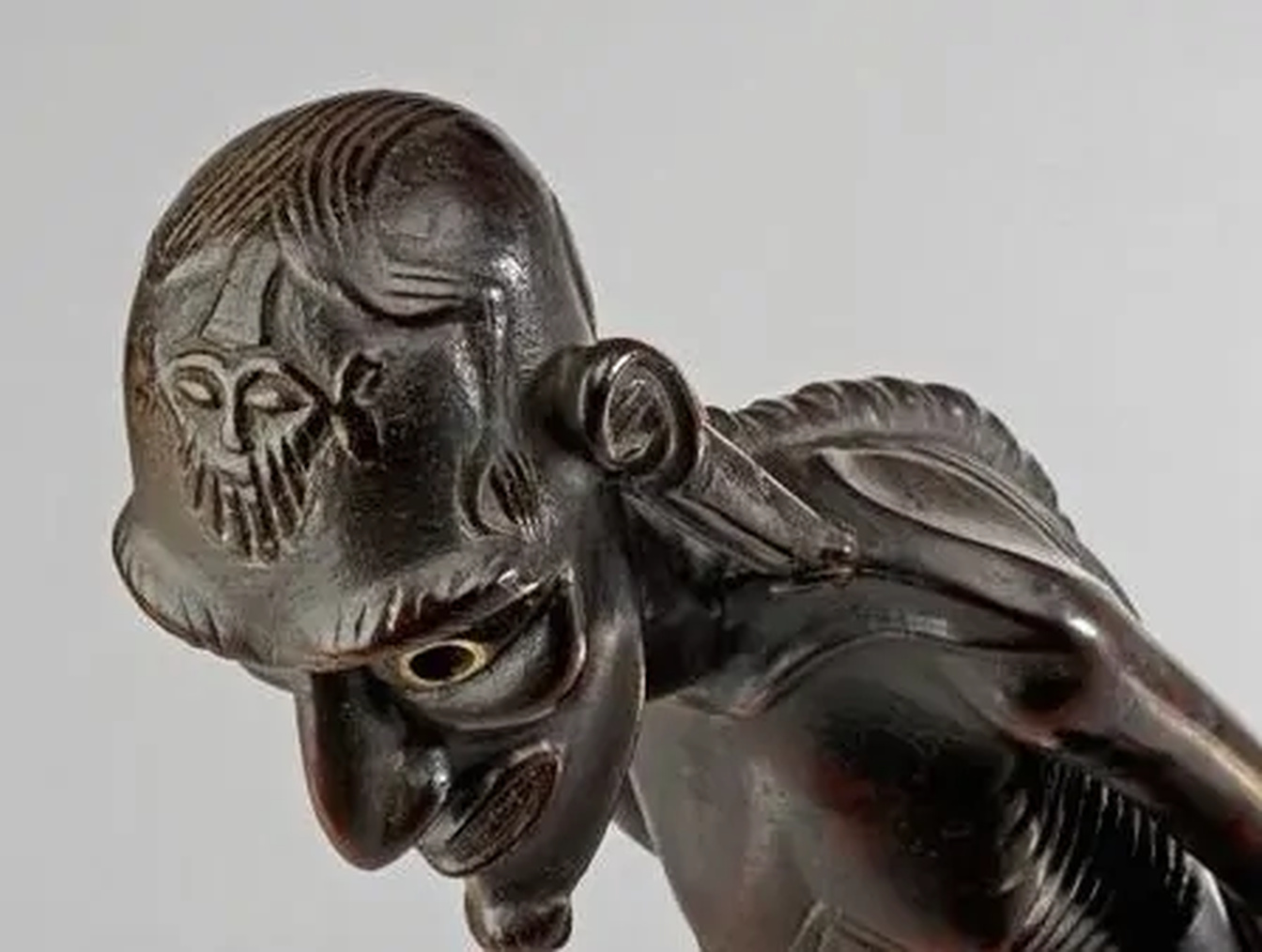
Polynesia culture is beautifully represented in the traditional Marquesan tiki figures, carved from dark volcanic stone. These ancestral sculptures, with their unique features and textures, connect us to the ancient spirits of the Marquesas Islands.
About This Culture and Its Art
The Marquesas Islands, a cluster of volcanic islands in French Polynesia, boast a rich cultural heritage shaped by their isolation and unique environment. The Marquesan people have a history stretching back over 2,000 years, developing their distinct language, social structures, and artistic expressions along the way. The islands are renowned for their intricate tattoos, woven textiles, and, of course, striking stone carvings. Their art forms are deeply intertwined with their beliefs and customs, serving purposes that extend beyond mere aesthetics.
One of the most significant aspects of Marquesan culture is their spirituality, which revolves around the veneration of ancestors. The concept of mana, or spiritual essence, permeates every facet of life, influencing the creation of art as a means for communities to connect with their past, maintain their traditions, and navigate the present. The tiki sculptures are especially memorable representations of this worldview and serve as a testament to the craftsmanship and spiritual devotion of their creators.
Understanding This Piece
The tiki ke’a, like the one shown in the image, embodies much more than its physical form. These sculptures were believed to house the spirits of early ancestors, acting as intermediaries between the living and the spiritual realm. By placing tiki at sacred sites, such as ancestral burial grounds, the Marquesan people sought to honor their lineage and invoke spiritual protection. Over time, they became symbols of identity and cultural pride, reflecting the intricate relationship between the Marquesans and their ancestors.
In essence, this exquisite carving serves dual purposes. It is not only a statement of artistic skill but also a medium for spirituality and community bonding. The ritualistic aspects of tiki sculpture include ceremonies where offerings were made to the figures, reinforcing communal ties and affirming beliefs in ancestral support and blessings.
Symbolism and Craft
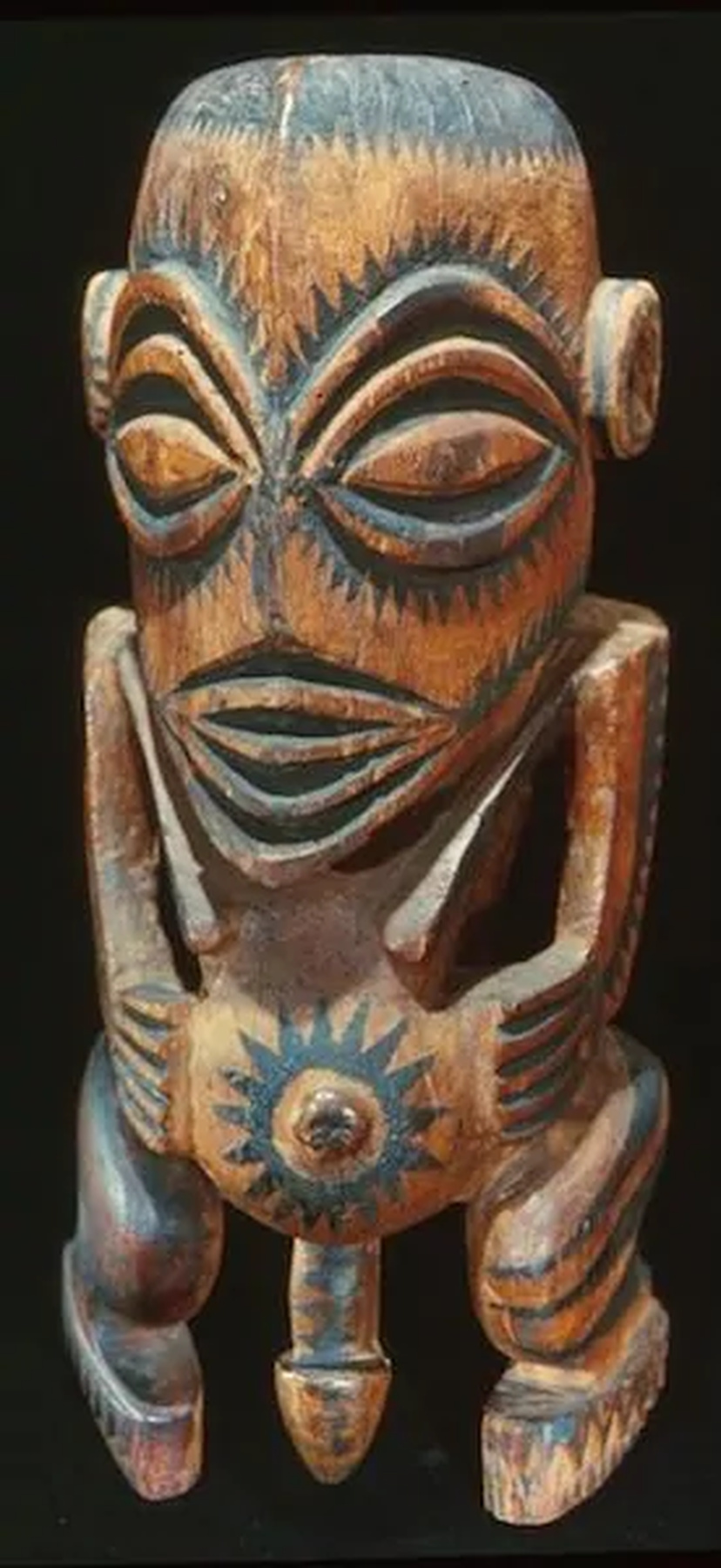
The craftsmanship behind these tiki sculptures is equally fascinating. Carved from volcanic stones, such as basalt or tuff, the choice of medium connects the art to the earth itself, grounding it in the island’s very makeup. The porous texture not only reveals the material’s natural beauty but also adds a tactile quality that resonates with viewers, inviting them to engage with the piece on multiple levels.
Symbolically, the prominent features of the tiki figures—such as the exaggerated facial characteristics and the distinctive body posture—convey spiritual significance. The large head signifies wisdom and knowledge, while the folded arms symbolize a state of meditation or contemplation. Together, these elements reflect the values and beliefs of the Marquesan people, encapsulating their worldview in a tangible form.
The tiki sculptures are not just objects of art; they are the soul of the Marquesas, echoing stories of ancestors and the connection to the divine.
Why It Matters Today
In the modern world, the relevance of Marquesan tiki sculptures transcends their traditional context. As globalization accelerates, these art pieces serve as vital links to cultural preservation and identity. The beauty and spiritual depth of tiki sculptures have captured the attention of collectors, art enthusiasts, and cultural historians, thereby fostering a greater appreciation for Polynesian art in a contemporary setting.
Furthermore, the resurgence of interest in indigenous art and traditions highlights the importance of celebrating and protecting the cultural heritage of the Marquesas. Artists from the region are increasingly weaving traditional techniques with modern expressions, ensuring that their unique cultural narratives continue to unfold. By honoring these ancestral figures and their significance, we are reminded of the richness that diversity brings to the global art scene.
Each tiki sculpture is a living testament, a reminder that art can weave together past, present, and future in a narrative that continues to inspire.
The Bottom Line
The Marquesan tiki stone sculpture embodies the connection between people, their ancestors, and the divine, revealing the profound spiritual significance interwoven with the beauty of their artistry. As guardians of their culture, these figures carry the weight of history and promise, encouraging us to reflect on our relationships with our heritage and the stories we choose to tell. By exploring and valuing such remarkable works of art, we open doors to deeper understanding and appreciation for the diverse tapestry of human expression across the globe.
Books & Resources You Might Enjoy
- Masterpieces of Primitive Art
- Tribal Art
- Oceanic Art (World of Art)
- Between Art and Anthropology (Contemporary Ethnographic Practice)
References & Further Reading
Image courtesy of: Richard / www.new-guinea-tribal-arts.com — www.new-guinea-tribal-arts.com
Affiliate links on this website may generate a small commission at no extra cost to you. This support helps sustain a project dedicated to the beauty and cultural understanding of tribal art.