Naga Tribal Art: Warriors and Weavers of Northeast India
Have you ever heard stories of fierce warriors and masterful weavers tucked away in the hills of Northeast India? They might conjure up images of ancient tribes who once roamed as headhunters and fierce fighters. The Naga tribe of Nagaland is just such a fascinating example, rich in culture, vibrant in art, and steeped in history. Their tribal art reflects a unique blend of bravery, tradition, and the beauty of community craftsmanship that is both captivating and emotive. Let’s dive into the heart of Naga culture and explore their striking art forms that tell stories of their legacy.
Understanding the Naga Tribe
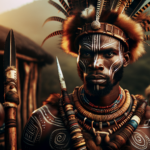
Before we delve into the world of Naga tribal art, it’s important to have a bit of background on who the Naga people are. The Naga tribes reside in Nagaland, a state located in India’s northeastern corner. These tribes are known for their close-knit communities and distinct cultural identities, each with its own dialect, traditions, and practices. Historically, the Naga have been perceived through the lens of their past as headhunters, and while this chapter of their history is indeed a part, it showcases merely a fragment of their rich cultural tapestry.
The Naga tribes are divided into several groups, comprising over 16 different tribes, including the Ao, Sumi, Konyak, and Angami. Each tribe boasts unique rituals, attire, and of course, traditional arts. The intrinsic craftsmanship of the Naga people is woven into their daily lives, and their art functions as a powerful expression of identity, social status, and communal unity. As you wander through the valleys and hills of Nagaland, you’ll discover that the cultural landscape offers much more than just scenic views—the artistry of the Naga is waiting to tell its tale.
The Rich Tapestry of Naga Art
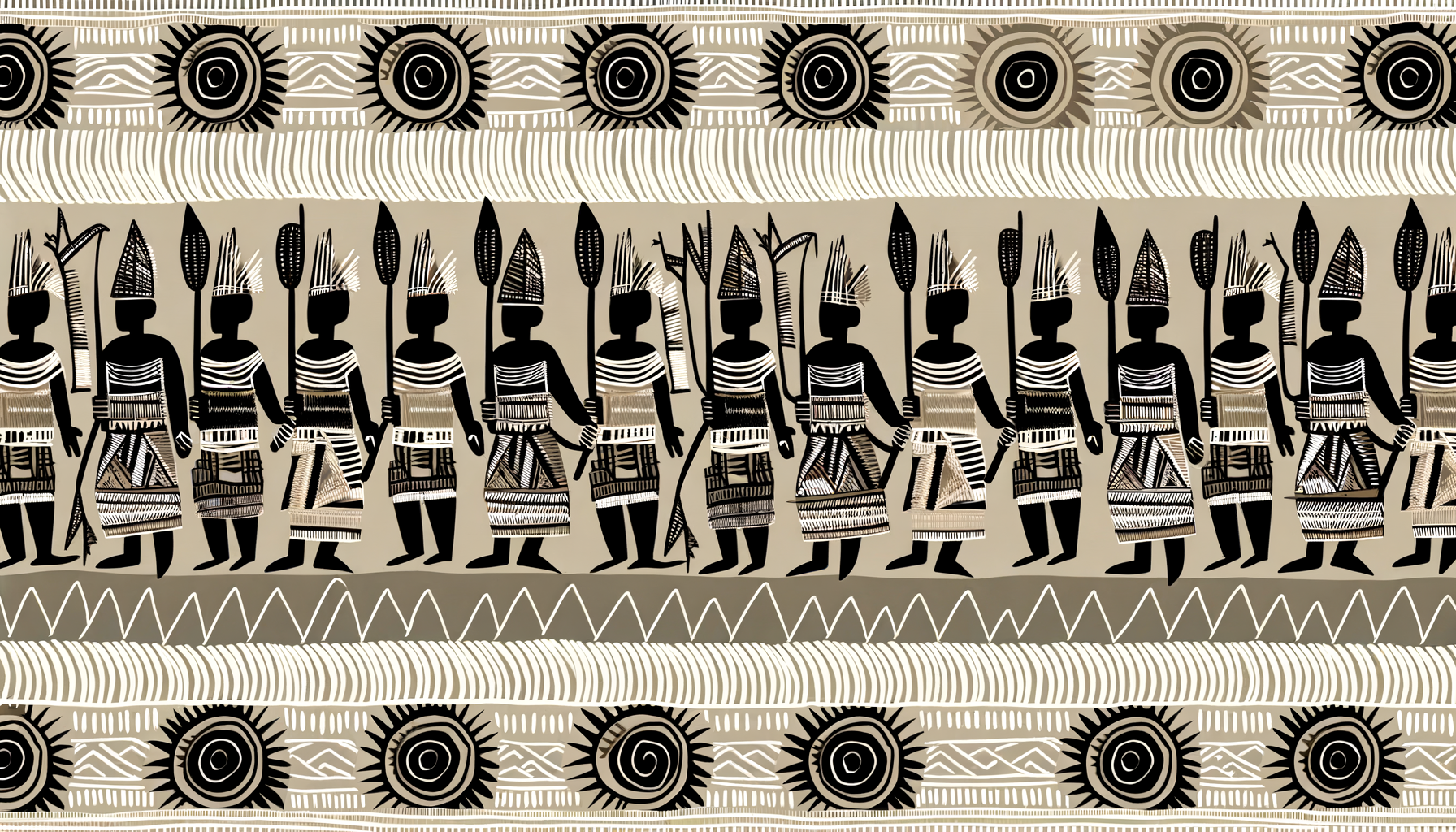
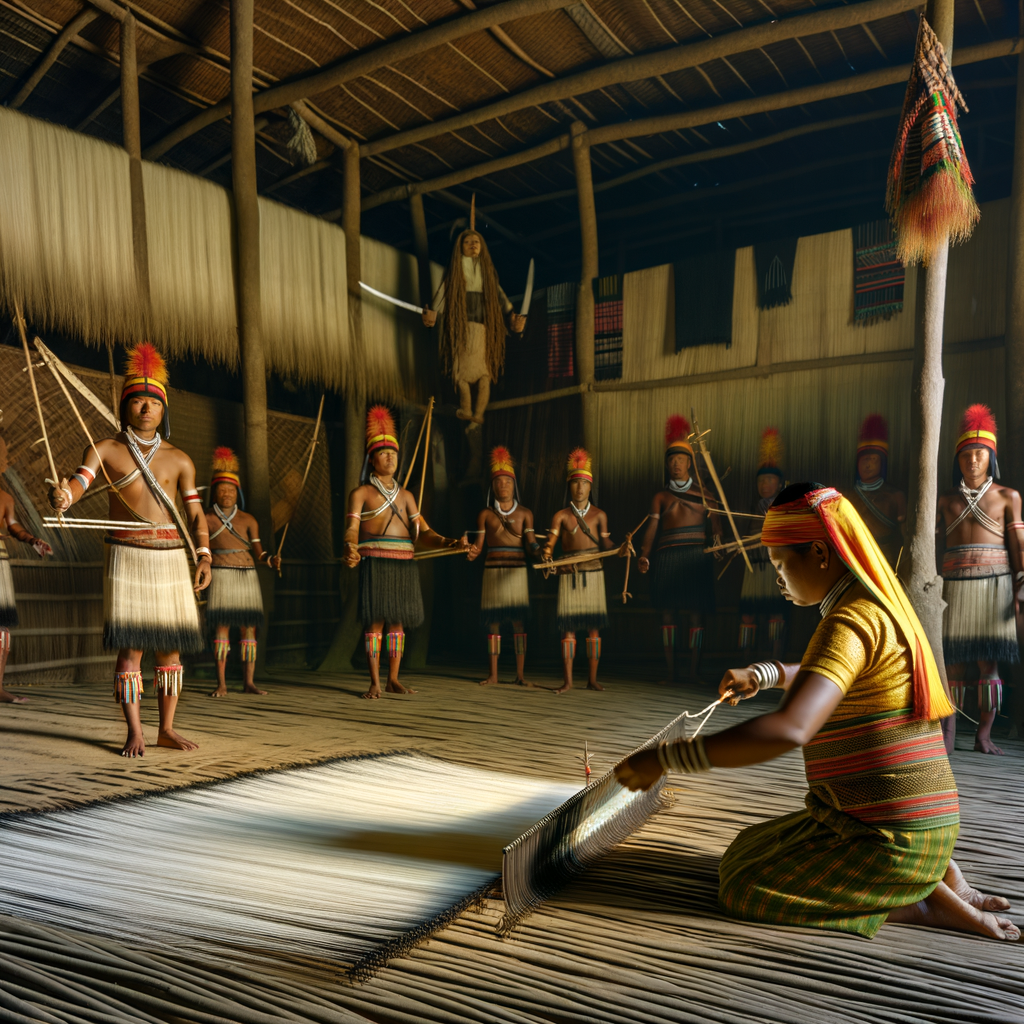
Naga tribal art is a vivid testimony to the tribe’s cultural richness and history. One of the most prominent forms of Naga art stems from their weaving tradition. The Naga are unrivaled artisans, and their textile production is highly revered. Using traditional looms, the women create an array of textiles characterized by vibrant patterns and earthy colors that reflect the natural world around them. Each design is symbolic, often representing the social status of the wearer or the life events they have experienced.
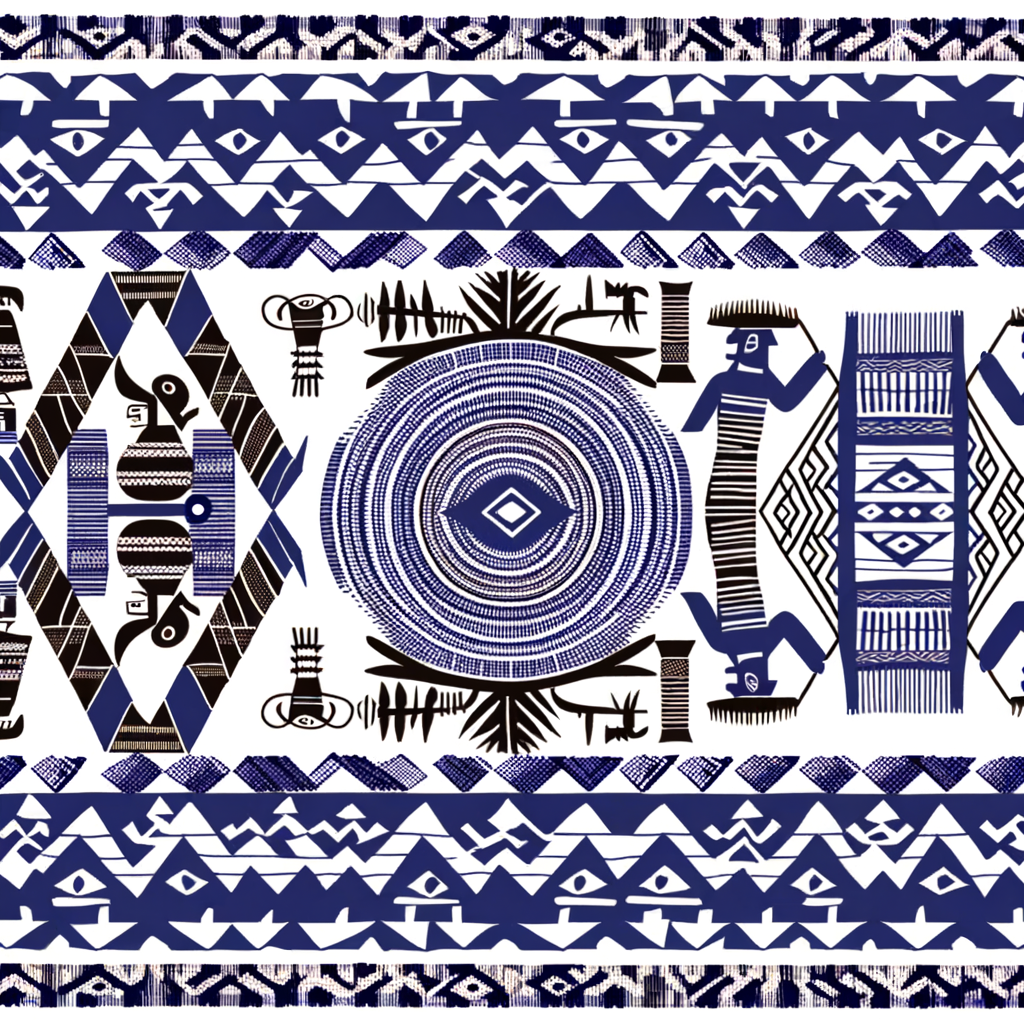
Beyond textiles, you’ll also find the Naga art scene bustling with carvings, sculptures, and jewelry that echo a connection to significant animal spirits and ancestors. Notably, the Konyak tribe is famous for their intricate wood carvings that often depict animals, heads, and daily life scenes. These carvings aren’t merely decorative; they serve as important markers of identity, culture, and stories passed down through generations.
Naga art is not just about aesthetics; it’s a vibrant narrative woven from threads of history, culture, and community.
The Role of Naga Art in Community Life
Naga art thrives within the context of community and ritual. Traditional Naga festivals are a showcase of their rich art forms, where intricately designed ceremonial gear and jewelry are donned in celebration. The Hornbill Festival, for example, is a spectacle where various tribes come together to display their heritage through dance, music, and crafts. You’re bound to be mesmerized by the passionate performances and the authentic artistry on display.
Participating in workshops or events focused on Naga tribal art allows you to appreciate the deeper meanings behind each piece. Imagine sitting with a master weaver as she shares stories intertwined with the vibrant patterns, or perhaps walking with a carver through the dense forests where they source the wood for their sculptures. These experiences not only enrich your understanding but also cultivate a heartfelt connection to the land and its people.
Preserving the Legacy of Naga Arts
While the Naga tribe’s artistry is vibrant, it faces challenges. Globalization and a shift towards modern living have started to overshadow traditional practices. It’s crucial to recognize the importance of safeguarding this rich heritage. Engaging with local artisans, purchasing their work, or supporting cultural initiatives can greatly contribute to preserving Naga arts.
For those intrigued by the broader scope of tribal arts across the world, check out the Tribal Cultures of the World Book. It’s a fantastic resource rich with insights that will deepen your appreciation for artisanal crafts globally, including the Naga tradition.
The Naga with a Modern Twist
Interestingly, contemporary artists within the Naga community are merging traditional methods with modern aesthetics, creating a fascinating dialogue between the past and the present. This blend is pushing boundaries while still honoring the roots of their ancestors. For you art aficionados, you might want to explore more about how this fusion is shaping the future of Naga arts and their impact on the global art scene.
If you’re passionate about understanding varied tribal cultures, consider grabbing the African Tribal Culture Book for insights that go beyond geographical borders and illuminate the artistry found within tribal contexts worldwide.
Final Thoughts
So there you have it! The captivating world of Naga tribal art is not just about aesthetics, but a vibrant narrative woven from threads of history, culture, and community. Their crafts tell stories, celebrate heritage, and invite you to be a part of their legacy. As you explore the artistry of the Naga tribe, remember that every piece you encounter holds layers of meaning and a connection to the past. And if you find yourself enamored by tribal arts, I recommend you delve into the Polynesian Culture and History Book available here, to further expand your understanding and appreciation for the rich tapestry of global tribal cultures.
Let’s keep the conversation alive about these beautiful arts; consider supporting local artisans or even trying your hand at their techniques during your travels. After all, embracing and promoting tribal art is not just about owning beautiful pieces; it’s about honoring the stories and traditions that have crafted them. Happy exploring!
Affiliate links on this website may generate a small commission at no extra cost to you. This support helps sustain a project dedicated to the beauty and cultural understanding of tribal art.