Native American Tribal Culture: Diversity Traditions and Resilience
Did you know that the vast expanse of what is now the United States and Canada is home to over 574 federally recognized Native American tribes? Each tribe carries with it its own unique customs, stories, and traditional practices that make Native American tribal culture one of the richest tapestries in human history. Whether it’s a dance ceremony in the plains, the intricate beadwork of the Great Lakes tribes, or the revered role of spirituality and nature, you’ll find that every corner of Native America offers something special. Let’s dive into this vibrant world of diversity, traditions, and resilience.
The Diversity of Native American Tribal Culture
The first thing that strikes you when you delve into Native American tribal culture is its incredible diversity. From the Arctic tundra to the arid deserts of the Southwest, Indigenous peoples have adapted their ways of life in harmony with their environments. Each tribe is often linked intricately not just to its geography, but to the languages they speak and their unique histories. For example, the Lakota and the Navajo have distinct languages and traditional practices that showcase their cultural uniqueness.
Take the time to explore different regions and you’ll find that Native American culture isn’t monolithic—it’s a rich mosaic. The Pacific Northwest tribes such as the Haida and Tlingit are known for their stunning totem poles and cedar bark weaving, while the Plains tribes like the Cheyenne and Sioux celebrate their nomadic lifestyle with the remarkable art of buffalo hunting. In the South, the Seminole and Cherokee have crafted a unique identity enriched by agricultural innovations and storytelling traditions. There’s even a wealth of knowledge compiled in the Native American Tribal Culture Book, which beautifully encases these intricate cultures.
The Role of Language in Culture
The languages spoken by Native American tribes are as diverse as the tribes themselves, each serving as a vessel for cultural knowledge and heritage. With over 300 distinct languages across North America, many tribes carry their history and traditions through storytelling—a vital practice that keeps the spirit of their ancestors alive. Sadly, many of these languages are endangered due to historical suppression, but revitalization efforts are underway in numerous communities today, showcasing their resilience.
Incorporating language into traditional practices helps maintain a palpable connection to cultural roots. For example, in many Native American boarding schools, an attempt was made to erase indigenous languages, but today there are remarkable efforts to bring these languages back to life. If you’re interested in understanding more about the broader relationships between different indigenous cultures worldwide, consider the Tribal Cultures of the World Book, which explores global indigenous practices beyond Native America.
Rich Traditions of Native American Tribes
When we talk about native american traditions, it’s impossible to overlook the importance of ceremonies and rituals that highlight their relationship with the land and the spiritual world. These customs differ among tribes, but they all aim to honor nature, celebrate life stages, and promote community unity. For instance, the Pow Wow, a social gathering among many Native American tribes, is filled with dancing, singing, and sharing traditional food. Types of dances vary, but they often mirror the tribe’s customs and histories, providing a sense of identity and belonging.
Another beautiful tradition is the use of storytelling, where elders pass on lessons through tales of creation, heroism, and morality. This oral storytelling tradition serves as a crucial educational tool, instilling a strong sense of community and shared history. It’s remarkable how these stories introduce concepts of respect for nature and emphasize the interconnectedness all living beings share. Wouldn’t it be interesting for you to see how storytelling plays out in other cultures as well? To get a more comprehensive look, check the fascinating insights in the African Tribal Culture Book that also emphasizes the significance of oral history.
Spirituality and Nature
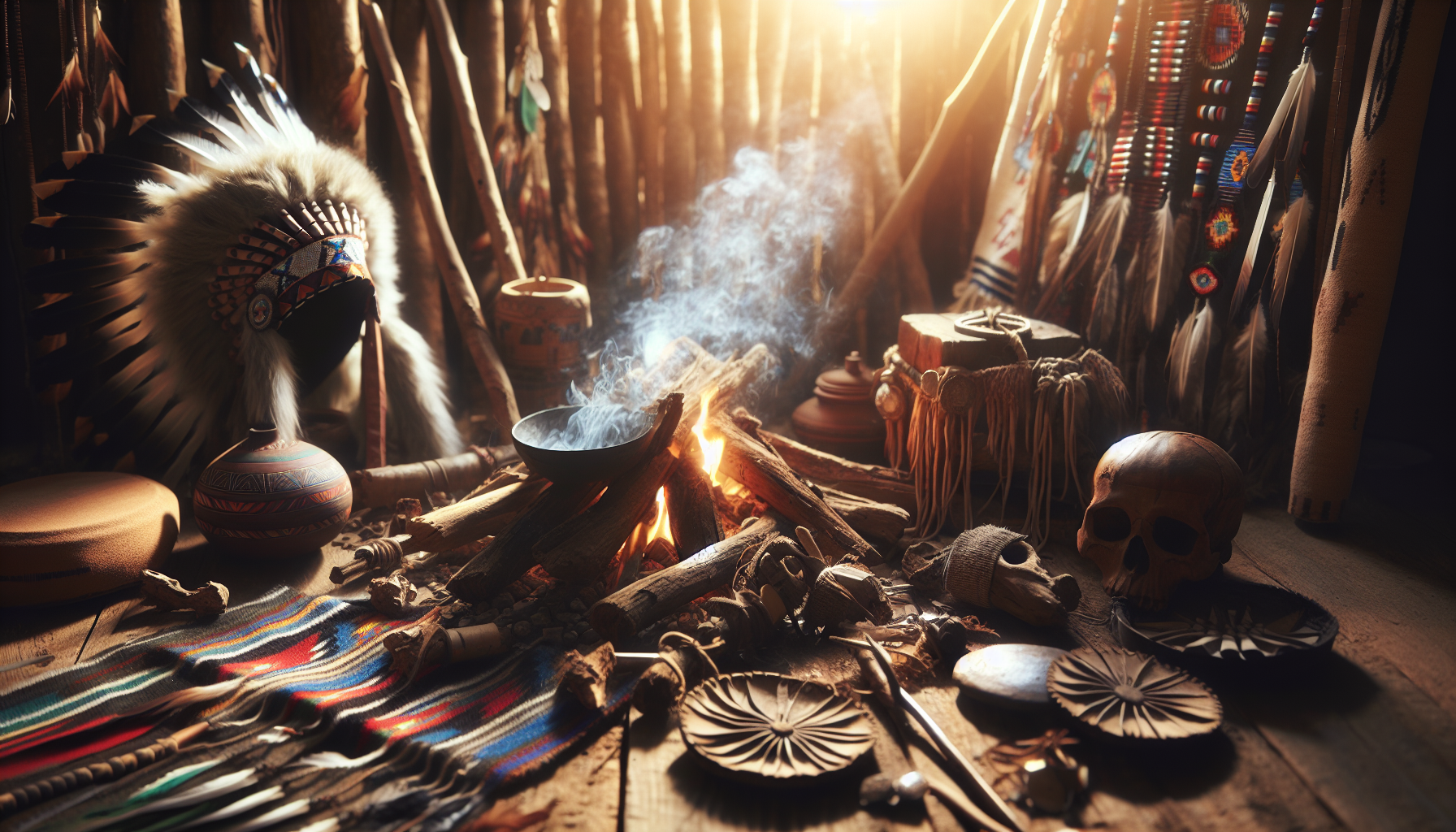
Spirituality in native american tribal culture is deeply intertwined with nature, illustrating the profound respect Indigenous peoples have for their environment. Many believe in a universal spirit that resides in all things, leading to a sacred relationship between humans and the natural world. This manifests in various customs, like the use of sage smudging to cleanse spaces or using rattles made from animal bones during rituals. Such customs exemplify their spiritual beliefs and connection to the land.
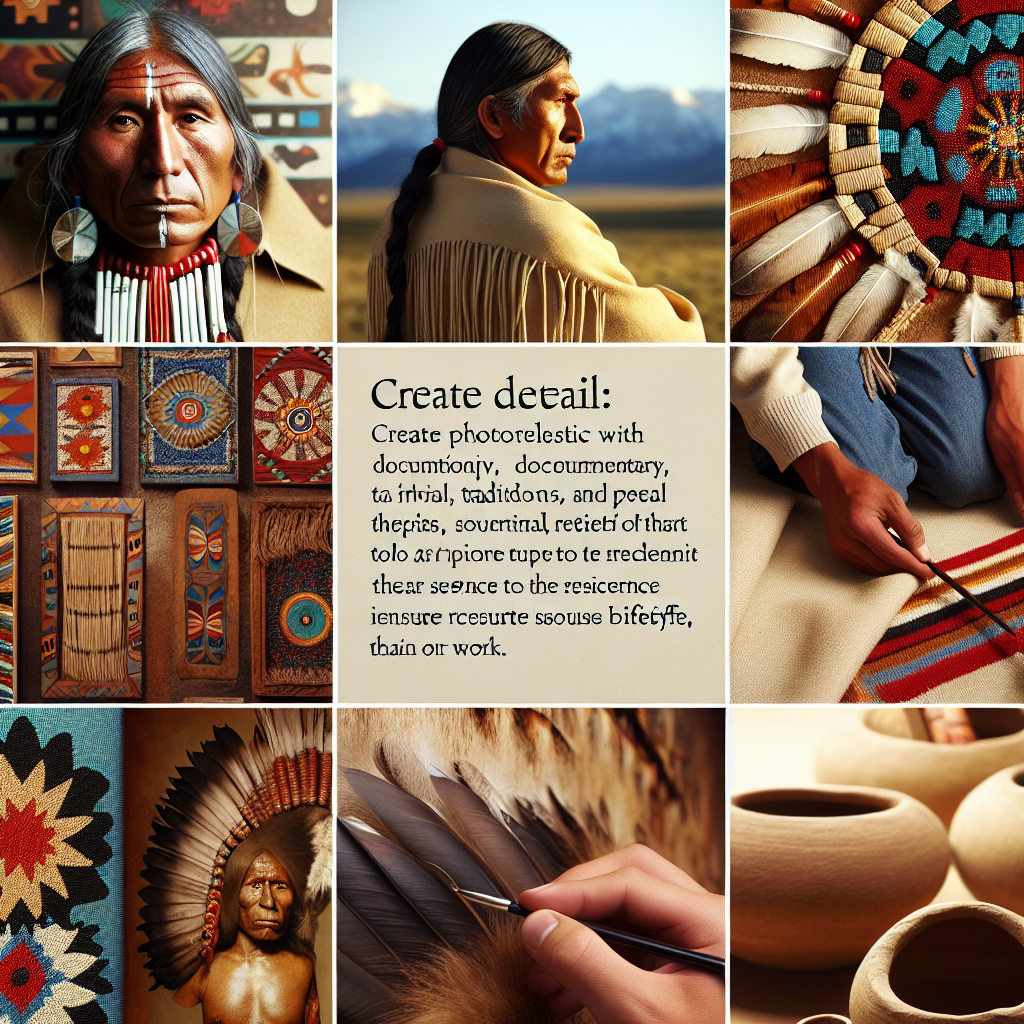
This profound reverence extends even to their art. Native American art, be it pottery, weaving, beadwork, or painting, often reflects their beliefs and relationship with nature. For instance, the intricate patterns in Pueblo pottery are inspired by the natural world. Exploring local galleries or art exhibitions showcasing indigenous artisans can be a great way to connect with this beauty firsthand. Understanding these expressions of culture can reveal an intimate relationship with the landscape they inhabit—an opportunity not to be missed!
Resilience and Modern Challenges
Despite centuries of struggle and a history of oppression, Native American tribal culture has shown remarkable resilience. Today, tribes across the country are asserting their rights, reclaiming their lands, and revitalizing their cultural practices. Communities are working diligently to preserve their languages and traditions amid modern-day challenges. For example, educational programs aimed at revitalizing language and craft skills have seen increased participation among Indigenous youth, fostering a sense of pride and continuity.
Modern challenges extend beyond cultural preservation. Native American communities often face socioeconomic struggles, healthcare disparities, and environmental issues. However, this contemporary context has also sparked movements toward activism and advocacy. Native communities are at the forefront of environmental justice movements, leading efforts to protect sacred lands from exploitation. This modern fight for sovereignty and rights serves as a powerful reminder of the lasting resilience ingrained in their culture.
Celebrating Native American Contributions
Celebrating Native American tribal culture also means recognizing their contributions to our society. From agricultural practices like the Three Sisters farming method—where corn, beans, and squash are grown together for mutual benefit—to their understanding of biodiversity, Native American knowledge systems offer invaluable lessons. Additionally, many Native Americans are using modern platforms to share their artistry and stories, enriching global culture while maintaining their distinct identities.
As you journey through learning about Native American traditions, integrating insights from books such as the Polynesian Culture and History Book might provide a broader context of indigenous cultures globally, enriching your understanding of these remarkable peoples and their legacies.
Final Thoughts
Native American tribal culture is a treasure trove of diversity, spiritual depth, and resilience. Whether you are intrigued by their customs, want to support indigenous art, or aim to learn more about their contemporary struggles, there’s a world ripe for exploration. Dive deeper into this enchanting culture, and you’ll find that through their stories, art, and traditional practices, Native Americans not only celebrate their heritage but also inspire perseverance for generations to come. So why not start your journey today? Whether by reading a book or visiting a local Pow Wow, every step brings you closer to understanding and appreciating this rich cultural heritage.
Affiliate links on this website may generate a small commission at no extra cost to you. This support helps sustain a project dedicated to the beauty and cultural understanding of tribal art.