Siberian Shamanic Symbols: Ancient Signs from the Roof of the World
Imagine standing atop the vast, rugged terrain of Siberia, where the air carries the whispers of ancient spirits and the landscape is a canvas painted with stories of generations past. Siberian shamanic symbols play a vital role in this rich tapestry of culture and spirituality, representing beliefs that have shaped the very essence of life in this remote region. These captivating symbols, known for their intricate designs and deep meanings, are not merely aesthetic—they are powerful conduits connecting us to the spiritual realm.
As we embark on a journey to understand the significance of these ancient signs from the Roof of the World, you’ll discover that a siberian shamanic symbol holds stories and teachings that resonate even today. From the rituals of the Tuvan people to the broader perspectives of Central Asia’s indigenous tribes, let’s explore how these striking motifs inform lives and traditions.
The Language of Symbols: Understanding Their Meaning
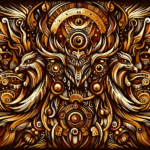
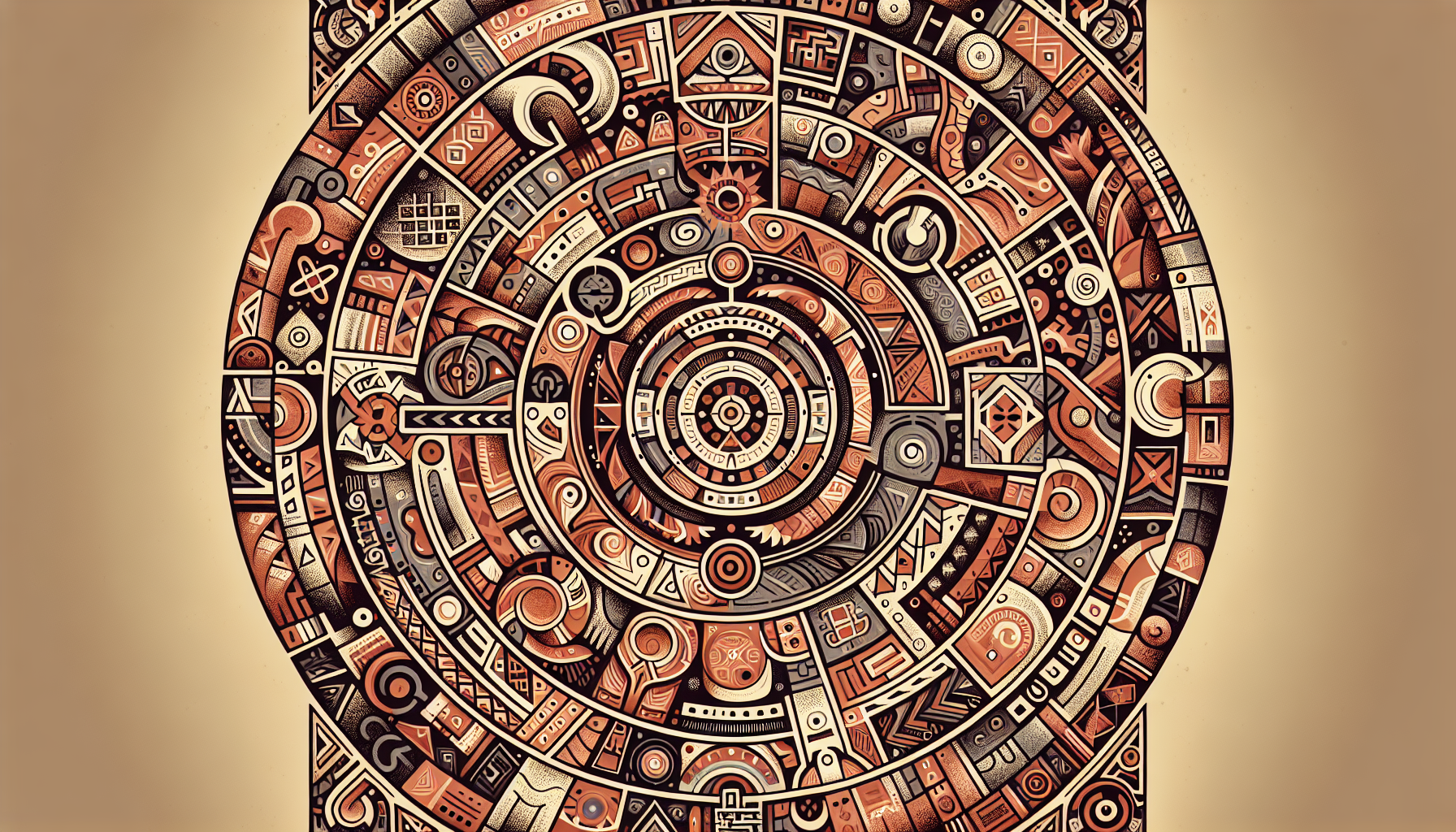
At first glance, a siberian shamanic symbol may appear as a mere decoration, but delve a little deeper, and you’ll find it’s a rich language of its own filled with metaphors and ancient wisdom. For instance, many shamanic art patterns are created to serve as guides for shamans during their spiritual journeys. They help in navigating the intricate connections between the earthly and spiritual realms, acting as maps for their souls’ migrations.
Each symbol often represents a sacred element of nature – animals, trees, and celestial bodies are prominent inspirations. The revered eagle, a common motif among Tuvan art, symbolizes freedom and a connection to the divine. In Siberian tradition, it’s believed that an eagle’s flight can bridge the gaps between human beings and their ancestors. Incorporating such symbols into your home can create an atmosphere that encourages spiritual reflection and a deeper appreciation for the natural world, much like the themes explored in literature surrounding tribal art history, which you can find in this insightful Tribal Art History Book.
Exploring the Tuvan Motif: Insights into a Rich Culture
The Tuvan people, in particular, have a wealth of shamanic symbolism embedded in their cultural practices. One striking example is the use of totemic animal imagery. Each animal carries specific qualities and stories that not only resonate with people but also provide insights into their way of life. For example, the horse symbolizes strength and endurance, while the fox denotes cleverness and resourcefulness.
Shamanic symbols are not confined to traditional practices; they have transcended into various forms of art and expression. Many contemporary Tuvan artists draw upon these ancient designs, infusing them with modern sensibilities while maintaining their traditional roots. This synergy of old and new embodies the resilience of Central Asia’s tribal symbol heritage and speaks volumes about the human experience, fostering a connection between past and present.
Patterns, Textiles, and Spiritual Significance
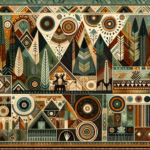
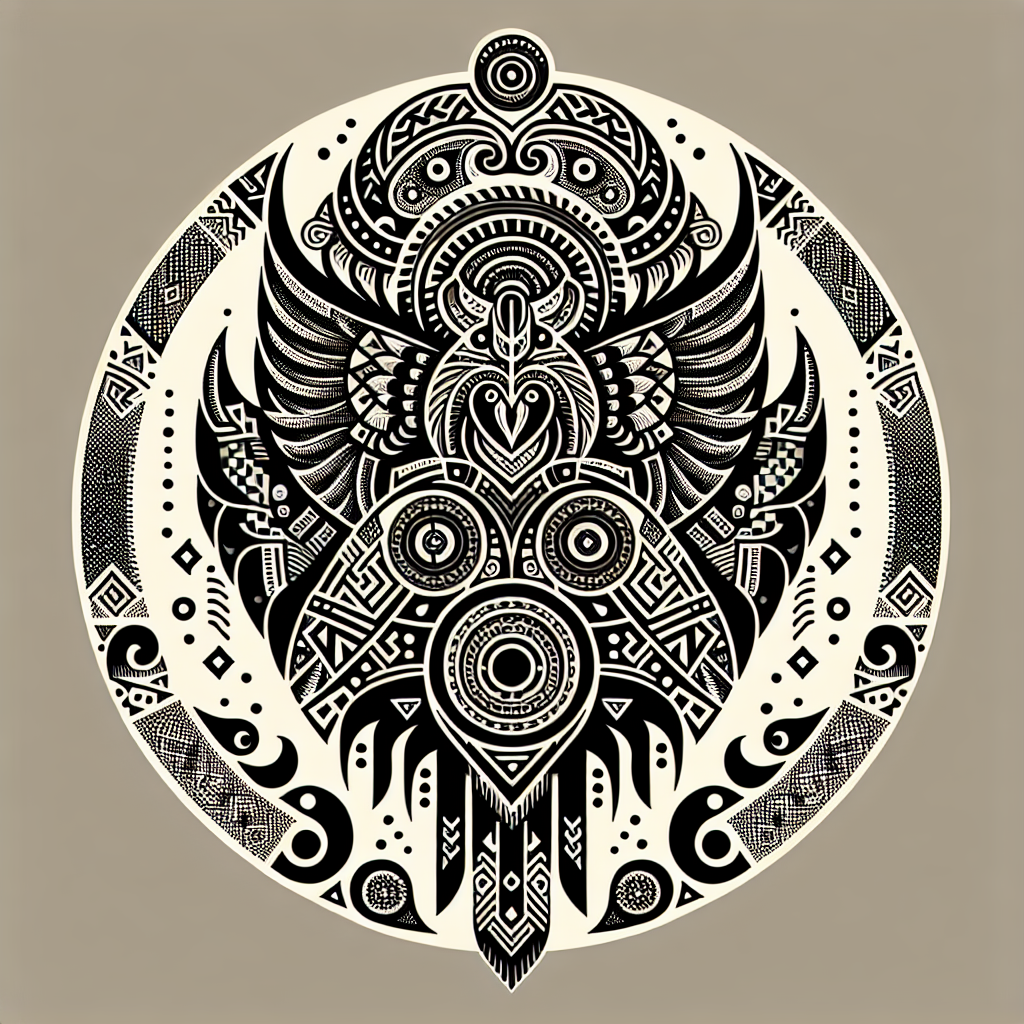
When you look at traditional Siberian textiles, you’ll notice that many fabrics are adorned with shamanic art patterns that tell a story. Each stitch, each color, echoes a specific theme or intention. For instance, the use of red might signify life and vitality, while blue can symbolize protection or the vast sky. These patterns are not just visual; they carry the imprints of the wearer’s beliefs and hopes.
You might feel inspired to explore how you engage with art in your own life. Perhaps you’re intrigued by the idea of immersing yourself in the vibrant patterns of tribal art, or even trying your hand at it through adult coloring books that feature such designs, like the Tribal Patterns Adult Coloring Book. Not only do these activities provide a creative outlet, but they can foster a deeper connection to cultures that have long honored their artistic heritage.
“Siberian shamanic symbols embody not just art, but the very essence of life, nature, and the spiritual journey of the communities they represent.”
The Contemporary Relevance of Ancient Symbols
In our increasingly globalized world, there’s a yearning to return to our roots—to understand where we came from and how those influences shape our identities today. The importance of siberian shamanic symbols resonates beyond geographic boundaries; they invite us to reflect on our own spiritual journeys. Whether through art, storytelling, or rituals, these symbols serve as guiding stars in the night sky, illuminating paths woven by ancestors and spirits alike.
Modern spiritual practices often repurpose these ancient motifs, creating new conversations around them. Yoga classes might incorporate imagery from various traditions, including Siberian shamanism, to enhance meditative states. As we embrace this cultural exchange, it’s essential to approach these symbols with respect and understanding, seeking to preserve their integrity while appreciating their contributions to our communal narratives.
Final Thoughts
The beauty of Siberian shamanic symbols is that they transcend time and cultural barriers, whispering secrets of the past while inspiring our present. As you explore these ancient signs from the Roof of the World, think about how they can enrich your life and space. Whether you incorporate them into your art collection, reflect on their meanings, or even create your art inspired by them, there’s a profound connection waiting for you. This journey is about understanding and honoring not just a culture but also the universal search for meaning in our lives. Let these symbols guide you to deeper insights as you celebrate the diversity and richness of our world. With their intricate narratives and emotional resonance, they encourage us to appreciate our shared humanity.
As you continue your exploration, consider delving into wider contexts of tribal art by checking out the African Art and Patterns Book, which illuminates other traditions and their symbolic meanings. This broader understanding can enhance your appreciation for tribal art and inspire new creative pursuits.
Affiliate links on this website may generate a small commission at no extra cost to you. This support helps sustain a project dedicated to the beauty and cultural understanding of tribal art.