Textiles as Storytellers: Bedouin Weaving Techniques
Bedouin weaving techniques and storytelling intertwine to create a rich tapestry of cultural expression that goes far beyond mere aesthetics. For the Bedouin people, textiles have served as a vital form of communication, preserving stories, traditions, and identities throughout generations. Each intricately woven piece not only provides comfort and utility but also serves as a canvas for narrative, reflecting the values and experiences of the community.
The Craft of Weaving as Cultural Heritage
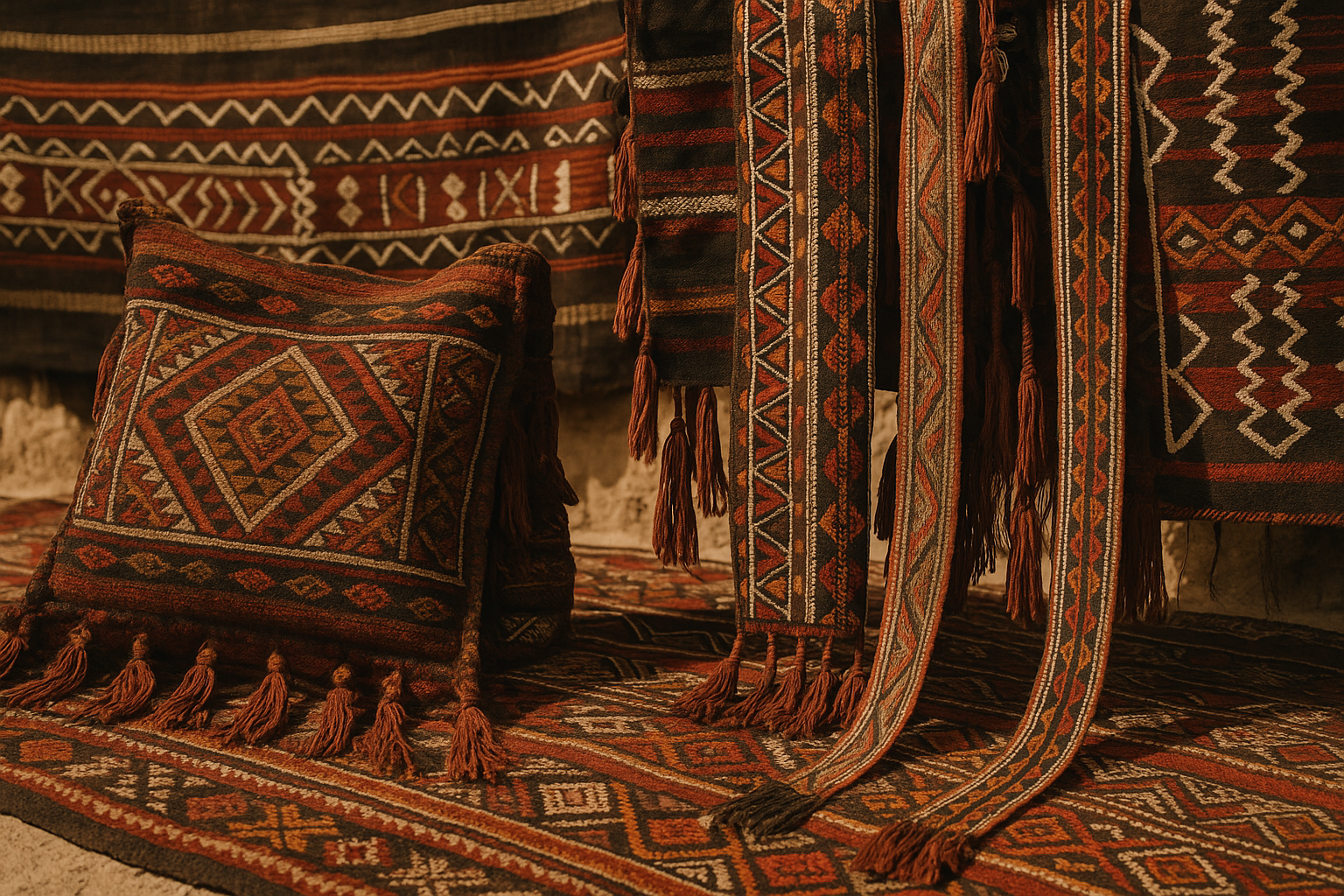
Bedouin weaving is a highly skilled art, passed down through generations, often taught within families. The patterns and colors used in textiles are far from arbitrary; they are charged with meaning, each symbol representing a different story or aspect of Bedouin life. For instance, geometric patterns can denote the movement of the tribe, while specific color combinations might celebrate significant life events such as marriages or births. This method of storytelling through textiles enables the Bedouins to communicate their history and heritage in a form that can be appreciated visually.
“Every thread woven into a Bedouin textile carries the weight of history, turning fabric into a living archive of cultural narratives.”
Moreover, the intricate designs are often inspired by the natural surroundings of the desert. The colors of the dunes, the hues of the sky at different times of day, and even the patterns found in local flora and fauna influence the weaving techniques. This connection to nature not only serves to beautify their living spaces but also reinforces the Bedouins’ relationship with their environment. For those looking to incorporate this rich tradition into modern decor, a handmade tribal area rug can wonderfully reflect these timeless designs, creating a bridge between ancient art and contemporary living.
Textiles as Vessels of Identity
Beyond their aesthetic appeal, Bedouin textiles are powerful vessels of identity. They serve as markers of social status, personal achievements, and group affiliations. When woven, each piece may contain specific motifs that indicate the weaver’s lineage or the tribe’s history, effectively making each textile a statement of belonging. This aspect of Bedouin weaving techniques and storytelling highlights how these textiles are not merely decorative items but crucial elements of cultural continuity.
Want to explore this further? Read our full article: Bedouin Inspired Interiors: Desert Luxury Meets Tribal Tradition
Final Thoughts
In conclusion, Bedouin weaving techniques are a profound reflection of a culture steeped in history and tradition. These textiles not only offer comfort but also hold and convey the stories that define the Bedouin identity, making them invaluable pieces of art and heritage.
Affiliate links on this website may generate a small commission at no extra cost to you. This support helps sustain a project dedicated to the beauty and cultural understanding of tribal art.