Yanomami Body Art: Tribal Traditions of the Amazon Rainforest
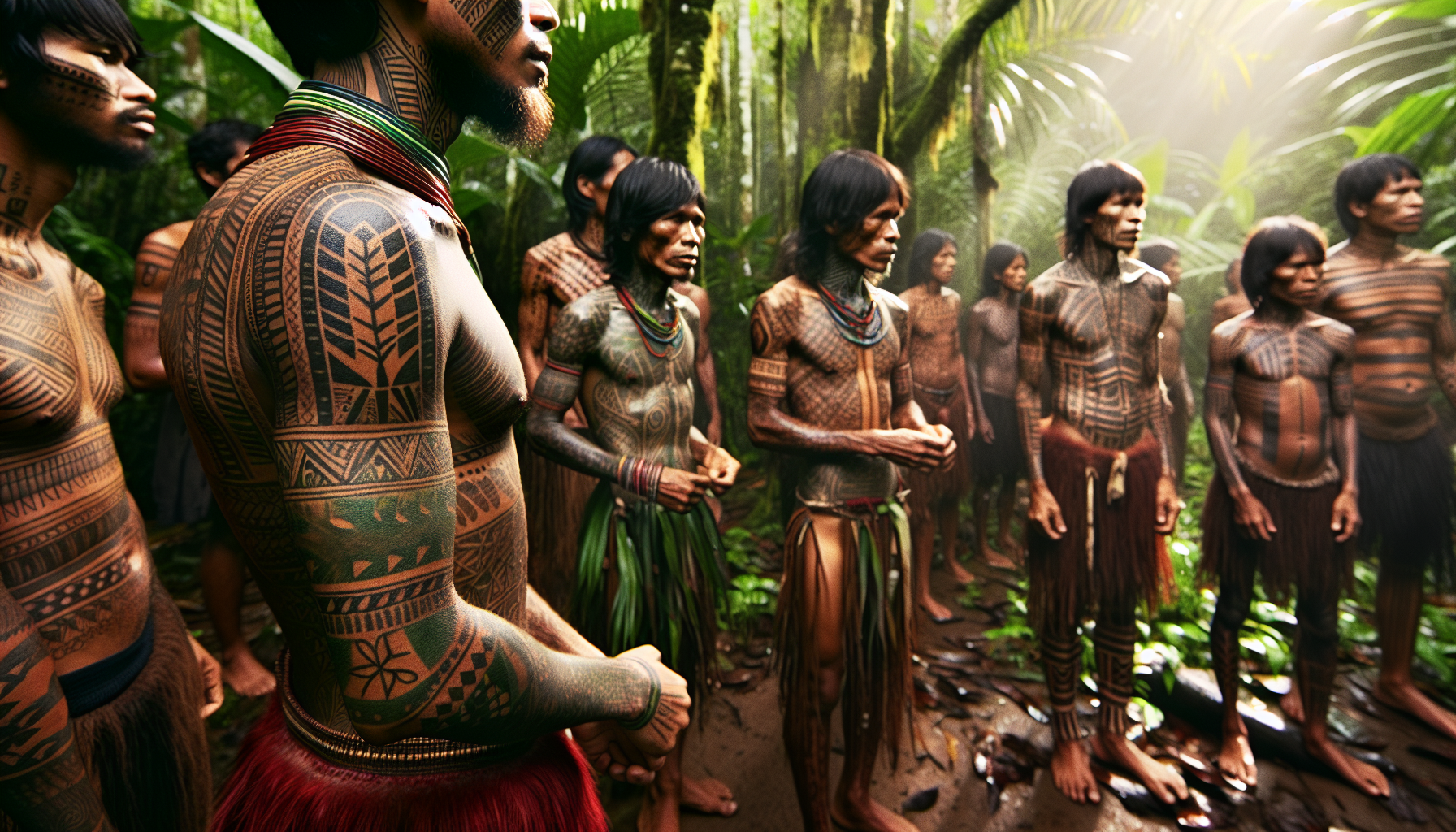
When you think of the Amazon rainforest, vibrant images of lush greenery and the symphony of wildlife may come to mind. But delve deeper, and you’ll find a world rich in culture, tradition, and art—most notably, the captivating yanomami body art. For the Yanomami people, who call the dense forests of Brazil and Venezuela home, body art isn’t just a form of self-expression; it’s a profound testament to their identity, beliefs, and connection to the natural world. So, what exactly makes yanomami body art so extraordinary? Let’s explore this remarkable tradition together.
The Deeper Meaning Behind Body Art
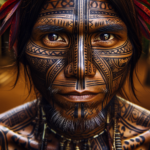
At the very heart of yanomami body art lies a profound cultural significance. For the Yanomami, tattoos and body paint serve multiple purposes, from marking significant life events to showcasing bravery in battle or symbolizing spiritual beliefs. The intricate designs often tell a story or convey the person’s lineage, connecting them to their ancestors and the spirit world. This is where art transcends aesthetics; it becomes a language through which identity and heritage are expressed.
For instance, certain patterns may depict animals or natural elements that are revered among the Yanomami. These serve not only as visual representation but also as a reminder of their connection to the environment, reinforcing the idea that humanity and nature are interwoven. The designs are often enriched with deep symbolism. A butterfly may symbolize transformation, while a jaguar can represent strength and agility, which are traits valued in their communal lifestyle.
“In the world of the Yanomami, body art is a living canvas where stories of strength, spirituality, and identity are vividly painted.”
The Techniques and Materials Used
The yanomami use natural pigments derived from plants, minerals, and charcoal to create their body art. This approach not only reflects their close relationship with the rainforest but also embodies a sustainable way of living. For instance, the rich red hue often seen in their tattoos comes from the vibrant seeds of plants found right in their surroundings. By using these organic materials, they can create intricate patterns that resonate with the colors of the environment.
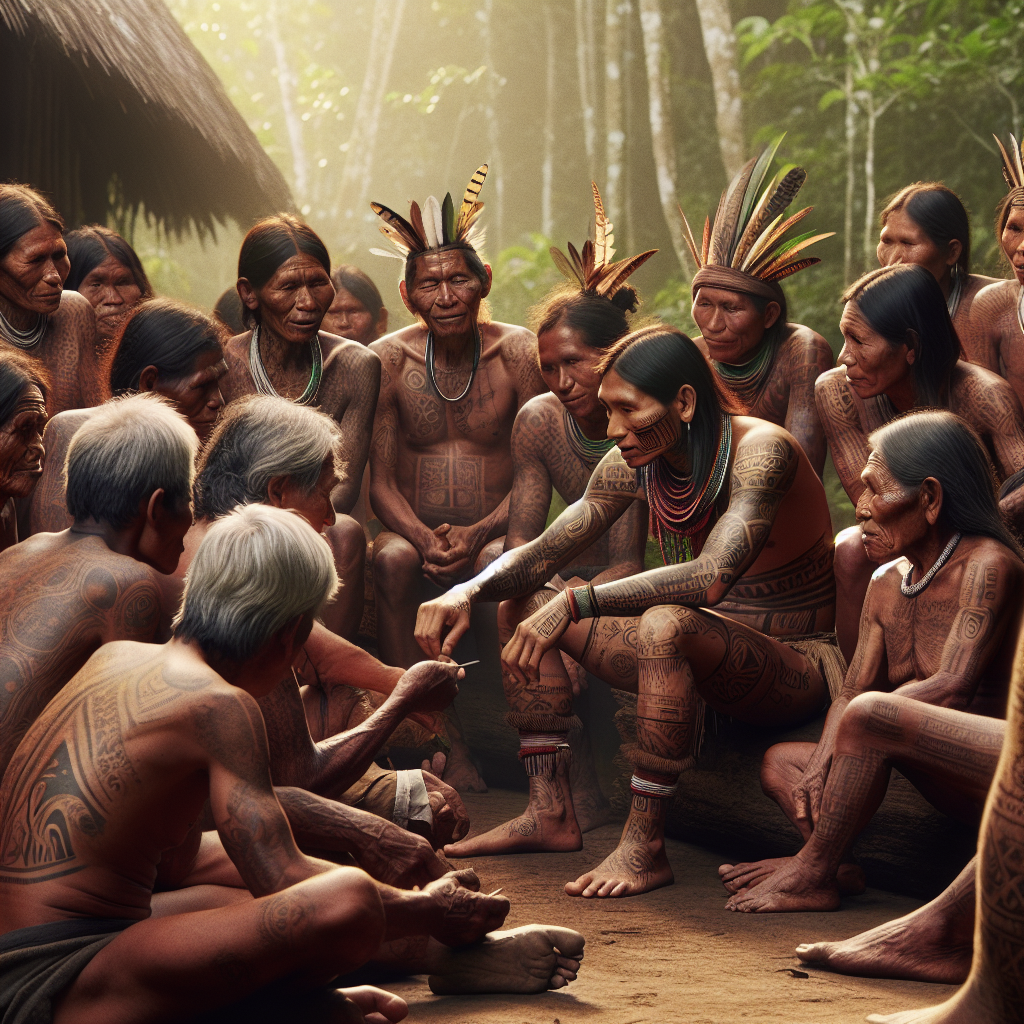
Application of these designs can be a communal activity, often performed during rituals or gatherings, where stories are shared and teachings are passed down through generations. In this way, the process of creating yanomami body art is not just about the end result; it becomes a shared experience that fosters unity and strengthens community bonds.
Rituals and Ceremonies
To truly appreciate yanomami body art, one must understand the rituals and ceremonies intertwined with its creation. Many tattoos and body paint are applied during rites of passage, such as coming of age or after significant events like hunting or warfare. For the Yanomami, these moments become markers of time, capturing their evolving identity within the community.
During these ceremonies, you might also witness dancers adorned in traditional attire, moving rhythmically to the beat of drums, as the forest comes alive with color and sound. These gatherings not only celebrate individual milestones but also reinforce communal spirit and shared values. Witnessing such traditions firsthand allows you to connect more deeply with the Yanomami’s way of life, giving you insights into what truly honors their ancestry.
“Every swirl of paint, every line etched into the skin, whispers untold stories of ancestors and spiritual guides in the language of colors.”
The Impact of Modern Influences
Despite the Yanomami’s rich traditions, the encroachment of modern society threatens their way of life. External influences, such as deforestation and mining, not only disrupt their environment but also challenge their cultural practices, including yanomami body art. As the younger generation embraces modernity, there’s a risk that these ancient traditions may gradually fade away.
However, some artists are rising to the occasion, blending traditional designs with modern styles. This fusion has attracted a wider audience curious about the cultural significance behind yanomami body art. You might even find beautifully illustrated books on tribal tattoos, such as this Tribal Tattoo Designs Book, that can inspire you to appreciate the intricate art and meanings behind these colorful expressions. Embracing this fusion might just be the key to keeping traditional arts alive while adapting to contemporary contexts.
Exploring Amazonian Tribal Art Beyond the Yanomami
Yanomami body art is just one thread in the vast tapestry of Amazonian tribal art. Other rainforest tribes, like the Kayapo and the Ticuna, also express their identities through rich body art, each with unique styles and cultural narratives. Exploring these different perspectives can offer you a broader understanding of how various tribes use body art to articulate their relationship with the environment and their beliefs.
If you’re captivated by tribal designs, consider diving into styles from other cultures, such as Polynesian or Maori tattoo art. Books like the Polynesian Tattoo Designs Book and the Maori Tattoo Art Book provide beautiful visuals and insights into how body art plays a role across different tribes. Each artwork you encounter becomes a bridge that connects you to unique histories and interpretations of life.
Engaging with Yanomami Art on Your Travels
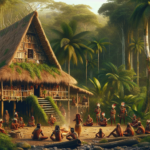
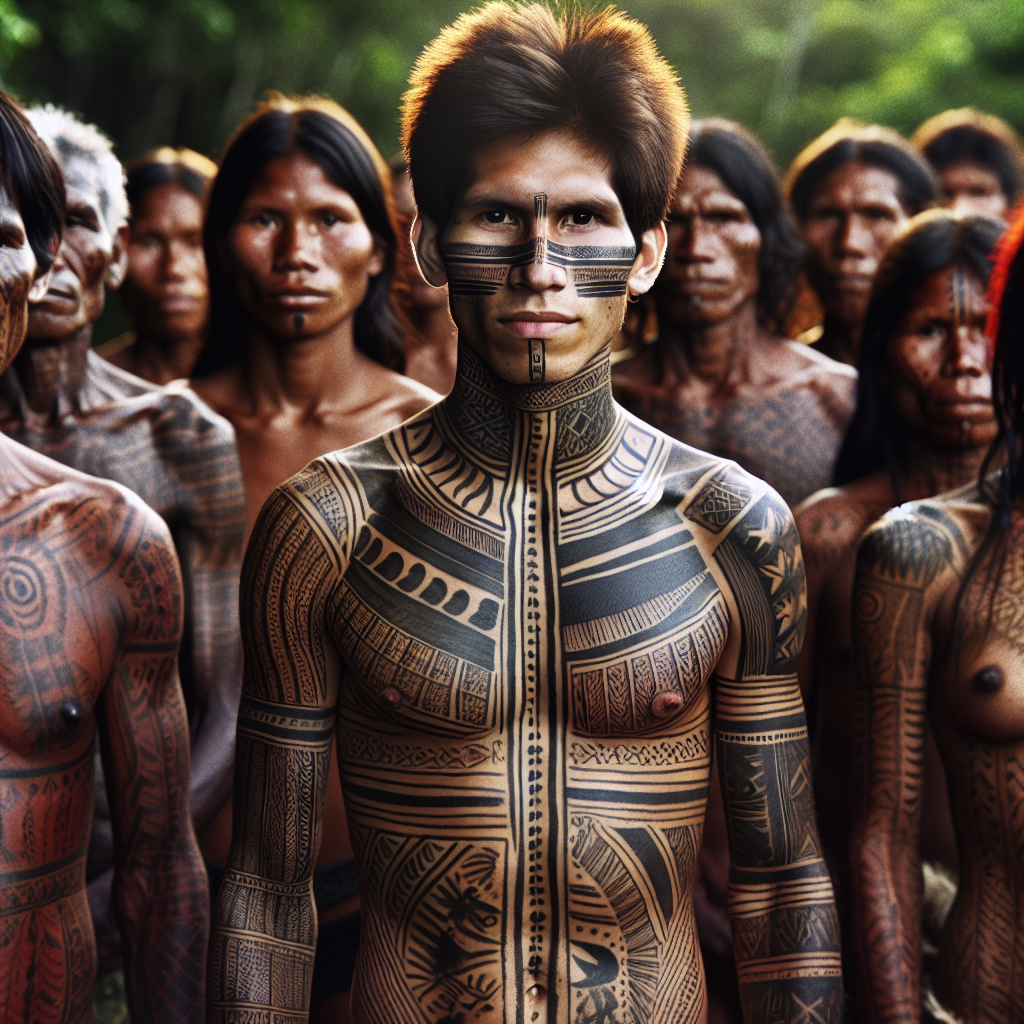
If you ever find yourself in the Amazon, immersing yourself in the world of the Yanomami can be a life-changing experience. Several eco-tourism initiatives allow travelers to visit Yanomami communities, where you can learn about their traditions and perhaps even witness the art of body painting firsthand. Imagine standing among towering trees as artisans share their techniques, painting their skin with stories from their past—it’s an experience that can ignite a deeper connection with tribal cultures.
However, it’s essential to approach these experiences with respect and openness. Engaging with Yanomami culture means honoring their practices and traditions, ensuring that you contribute positively to their way of life and help support community-led initiatives. You may find opportunities to purchase ethical art pieces, connect with local artisans, or learn more about conservation efforts. Supporting such initiatives can go a long way in preserving their cultural heritage, making your journey meaningful.
Why This Matters
Understanding yanomami body art is not just about appreciating the beauty of tribal tattoos; it’s about recognizing the stories they tell, the cultures they represent, and the challenges they face in a rapidly changing world. As we celebrate these vibrant artworks, we also have the chance to support the preservation of tribal traditions and cultures. By engaging with these communities and respecting their practices, we contribute to the tapestry of human expression that unites us all.
If you’re intrigued by the world of tribal art and culture, consider exploring more resources and real-time experiences. Visit us at ArteTribal.com and discover the beauty of tribal art around the globe, or dive into our recommended books to deepen your understanding. Together, let’s celebrate the stories woven into the fabric of humanity through the lens of art.
Affiliate links on this website may generate a small commission at no extra cost to you. This support helps sustain a project dedicated to the beauty and cultural understanding of tribal art.