How Gabriel Chaile Transforms Argentine Indigenous Heritage into Monumental Clay Sculptures
Gabriel Chaile is an Argentine contemporary artist recognized for his profound engagement with indigenous heritage, particularly drawing from the rich tapestry of the Diaguita and Calchaquí cultures in Northwest Argentina. Born in the city of Rosario in 1980, Chaile has developed a distinctive style that marries modern sculptural techniques with the ancient traditions of indigenous peoples. His work often seeks to reclaim, honor, and revitalize the artistic expressions that have existed for millennia yet often remain overlooked in contemporary discourse. As a sculptor and installation artist, he employs traditional materials and methods—especially clay—transforming them into monumental artworks that evoke both the past and create dialogue with the present.
The Tribal Art That Changed Everything
Gabriel Chaile’s artistic evolution is deeply rooted in his experiences with the indigenous communities of Northwest Argentina. Specifically, his inspirations come from the Diaguita and Calchaquí tribes, renowned for their intricate pottery and rich cultural narratives. Chaile first encountered indigenous art during his formative years, where he was captivated by the ceremonial urns and everyday objects crafted by these communities. The Diaguita traditions, recognized for their decorative techniques and forms, left a lasting impression on him, leading him to explore how these ancient symbols could be reimagined within a contemporary context. He embraces this cultural heritage not merely as a source of inspiration but as a foundation for dialogue, creating a bridge between the past and today’s society.
Reading the Influence in the Work
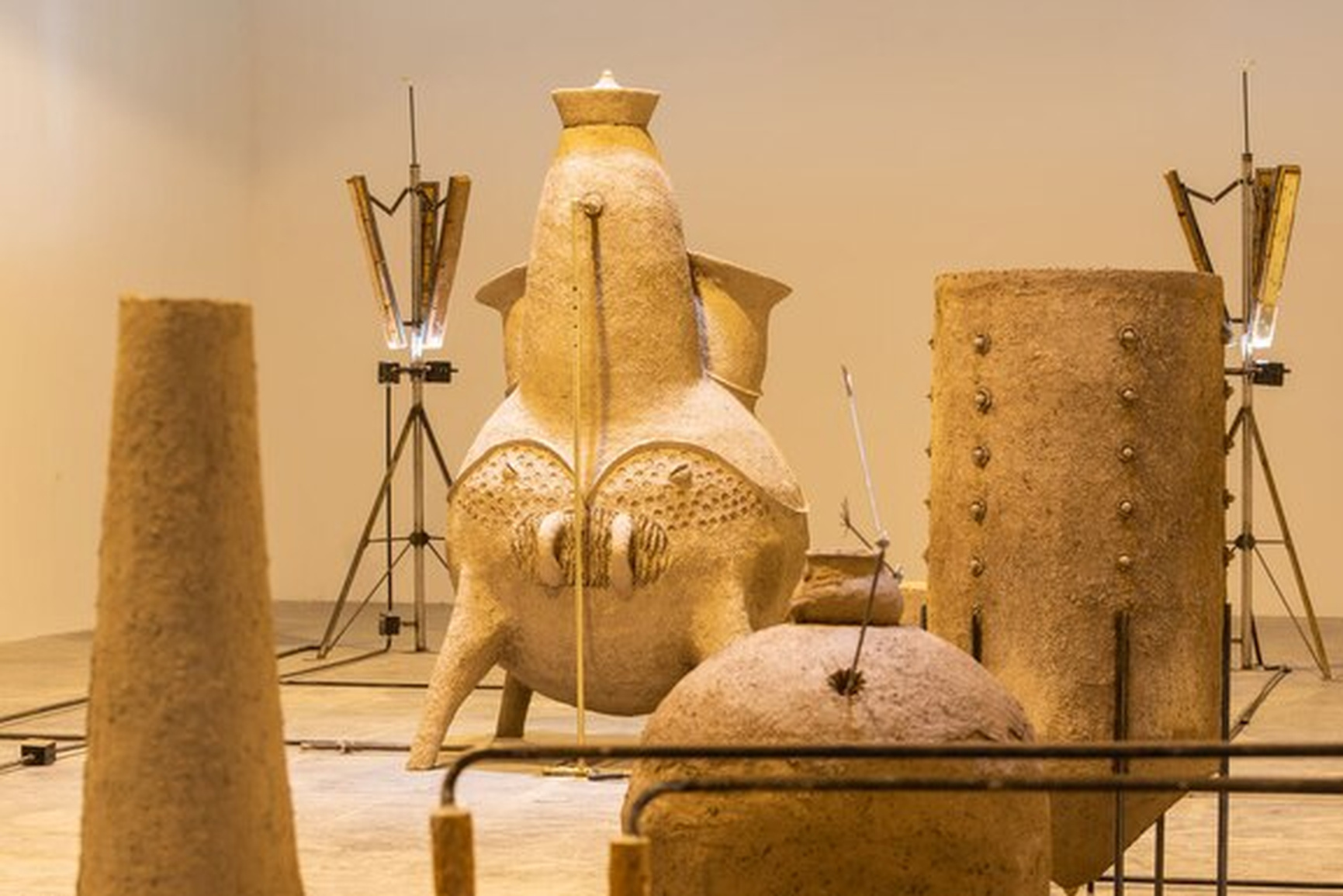
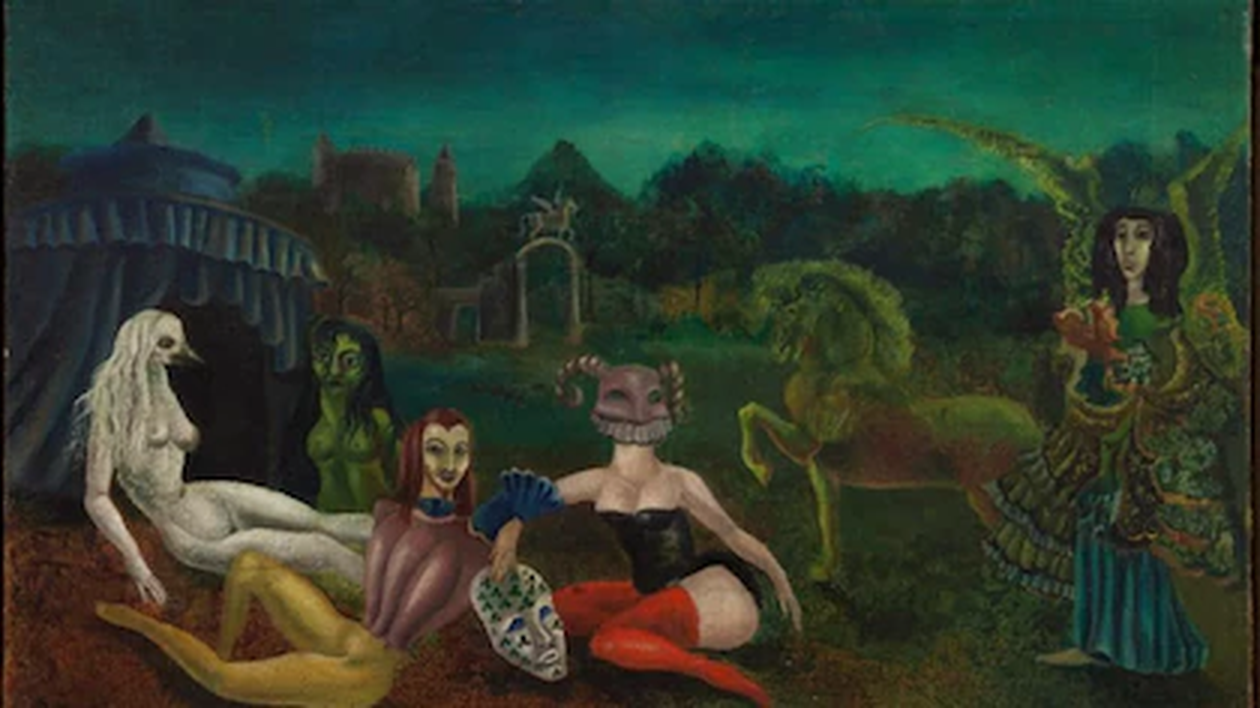
In his installation titled “Mural de ceràmica amb formes de sol i figures indígenes,” Chaile showcases massive earthen clay sculptures that strikingly resemble pre-Columbian ceremonial urns. The central figures embody gourd-like shapes, their textured surfaces mirroring the tactile qualities of Diaguita funerary ceramics. When you observe these forms, the use of warm ochre tones becomes apparent, a direct nod to the traditional adobe construction and indigenous pottery methods still practiced in the Argentine Andes. The small protruding elements, reminiscent of Diaguita aesthetics, serve to further engage the viewer, inviting a connection to the story behind each curve and ridge.
“Through my work, I aim to breathe life into the forgotten narratives of my ancestors, transforming their stories into forms that resonate with today’s audience.”
This transformative approach allows viewers to appreciate not just the formal beauty of his sculptures but also the cultural significance they embody. Chaile’s work acts as a dialogue, illustrating how modern ceramic practices can draw inspiration from historical contexts, thus highlighting the continuous lineage of creativity that exists within cultural traditions.
Why This Dialogue Between Cultures Matters
Gabriel Chaile’s work speaks to the broader significance of cross-cultural engagement in contemporary art. By intertwining indigenous heritage with modern practices, he prompts a reevaluation of how we understand art history and cultural narratives. In doing so, Chaile not only asserts the value of indigenous perspectives but also challenges the dominant discourses that often prioritize Western narratives. This dialogue is vital as it fosters a greater appreciation for cultural diversity, encourages artistic innovations, and promotes respect and understanding across societies.
In an art world that can sometimes feel isolating or exclusive, Chaile’s monumental installations invite us all to participate in a shared exploration of identity, memory, and the impacts of history. His works are not just sculptures; they are reflections of community, resilience, and continuity in the face of modernity.
The Bigger Picture
Gabriel Chaile stands as a testament to the rich dialogue possible when artists embrace their cultural heritage and allow it to inform their modern practice. In his monumental clay sculptures, we see not only an appreciation for the craftsmanship of the past but an urgent call for recognition and dialogue in the present. As you explore contemporary art, consider how these interconnections shape our understanding and appreciation of different cultures, inviting us all to engage with the narratives that weave together our shared human experience.
Books & Resources You Might Enjoy
- Paul Gauguin: A Journey to Tahiti (Adventures in Art)
- Primitivism in Modern Art
- The Land Carries Our Ancestors: Contemporary Art by Native Americans
References & Further Reading
Image courtesy of: Gabriel Chaile / www.infobae.com — www.infobae.com
Affiliate links on this website may generate a small commission at no extra cost to you. This support helps sustain a project dedicated to the beauty and cultural understanding of tribal art.