How El Anatsui Transformed Yoruba Textile Traditions into Monumental Metal Tapestries
El Anatsui, born in 1944 in Anyako, Ghana, is one of Africa’s most renowned contemporary artists. A graduate of the University of Science and Technology in Kumasi, he began his career as a sculptor in academia before transitioning into installation art, which has since become his hallmark. His works often blend traditional African aesthetics with contemporary concerns, using materials that tell stories of cultural heritage and social relevance. Anatsui’s art resonates globally, establishing connections that transcend borders and history.
The Tribal Art That Changed Everything
Anatsui’s profound engagement with tribal art, particularly the textile traditions of the Yoruba culture, greatly informs his practice. The Yoruba, known for their intricate textile creations, such as kente cloth and adinkra patterns, provided Anatsui with a rich vocabulary of forms, colors, and meanings. He encountered this art through his extensive travels in West Africa and his lifelong studies of African culture. By utilizing these traditional motifs and weaving techniques into his work, Anatsui creates monumental installations from recycled materials, transforming them into vibrant tapestries that echo the significance of Yoruba textiles while also addressing contemporary environmental issues.
Reading the Influence in the Work
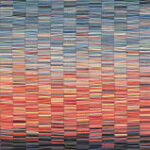
The visual prowess of Anatsui’s metal tapestries displays an intricate interplay reminiscent of Yoruba cloth traditions. The way his works shimmer and drape, much like kente cloth, introduces a dialogue about identity and heritage. For instance, his sculptures often consist of thousands of bottle caps and metal pieces sewn together to form vast, flowing pieces that evoke a sense of movement and embodiment found in textile art. The use of recycled materials brings forth a sustainable narrative, connecting past practices with present realities.
“Through my work, I hope to pay homage to the intricate narratives of identity and culture that traditional textiles communicate.”
Moreover, the tactile nature of Anatsui’s installations invites you to appreciate the craftsmanship inherent in both Yoruba textiles and his own creations. Each piece is a fragment of a larger story, just as traditional fabrics tell tales of lineage, community, and cultural memory. You can see powerful symbolic references woven into his work, echoing the aesthetic sensibilities of West African artistry, bridging the past and the present in a celebration of continuity and change.
Why This Dialogue Between Cultures Matters
The artistic exchange between El Anatsui and the Yoruba culture is significant not only for its aesthetic outcomes but also for its role in fostering cross-cultural appreciation in contemporary art. By engaging deeply with traditional motifs yet presenting them through a modern lens, Anatsui challenges dominant narratives about African art as static or exotic. His work encourages viewers to recognize the dynamic nature of cultural expressions, illustrating that art is not a monologue but rather a vibrant conversation spanning eras and geographies.
Moreover, Anatsui’s installations serve as a reminder of Africa’s contributions to contemporary art and its global relevance. They emphasize the importance of dialogue in art, positioning African artists like Anatsui within a larger narrative of global artistic endeavors that honor and reframe tradition, while also inviting critical reflections on our consumption patterns and societal values.
Final Thoughts
El Anatsui’s masterful reinterpretations of Yoruba textile traditions through his monumental metal sculptures encapsulate the beauty of cultural cross-pollination. His dedication to honoring ancestral techniques while innovating with contemporary materials prompts us to rethink our relationship with art, culture, and sustainability. The next time you encounter one of his installations, allow yourself to explore the conversations between the past and present, tradition and modernity, and, importantly, the stories that weave us all together.
Books & Resources You Might Enjoy
- El Anatsui – Art and Activism Book
- Paul Gauguin: A Journey to Tahiti (Adventures in Art)
- Primitivism in Modern Art
References & Further Reading
Image courtesy of: El Anatsui / babukali.substack.com — babukali.substack.com
Affiliate links on this website may generate a small commission at no extra cost to you. This support helps sustain a project dedicated to the beauty and cultural understanding of tribal art.