How Dolet Malalu Bridges Ancestral Congolese Traditions with Contemporary African Expression
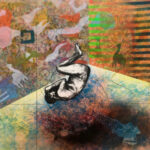
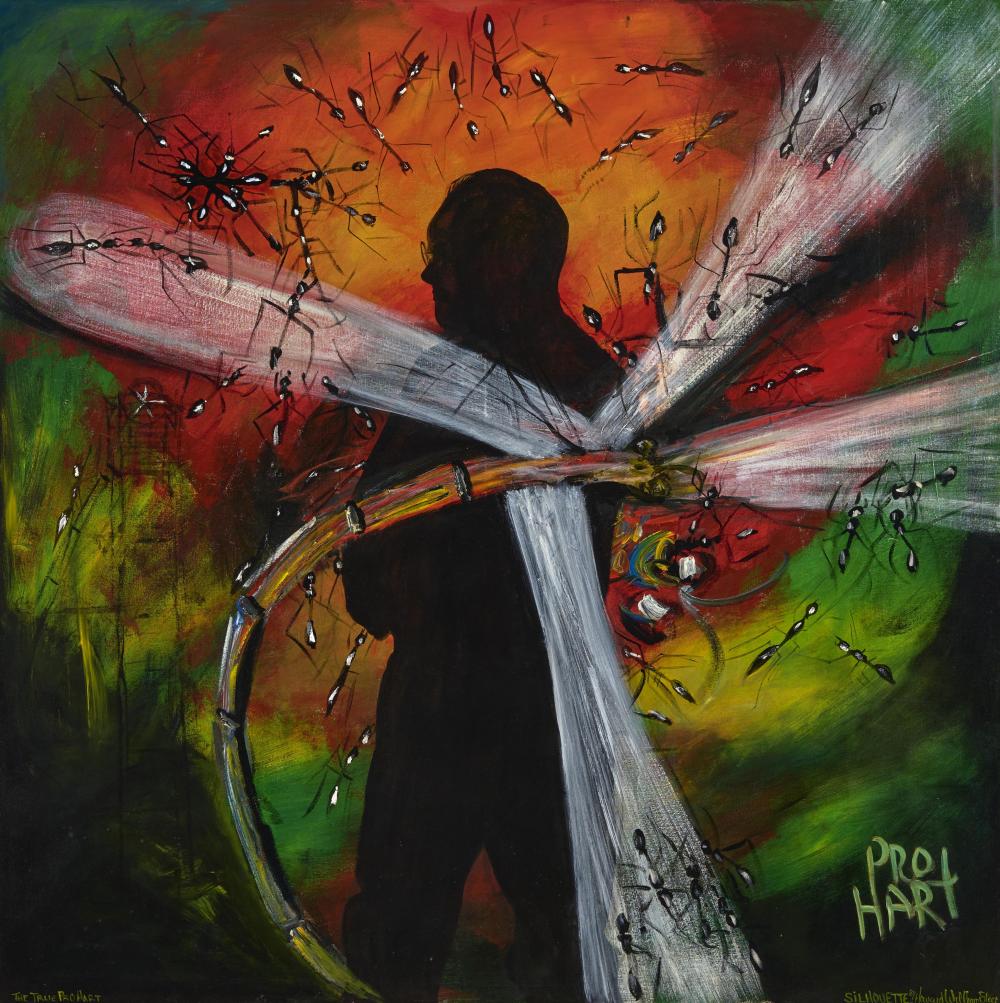
This striking painting by Dolet Malalu embodies a unique fusion of contemporary expression and ancestral Congolese traditions. Here, a powerful silhouetted figure with arms outstretched in a cruciform pose emerges from a dramatic background, swirling with ants or spirit figures. The vibrant orange, red, and green hues reflect traditional Congolese earth pigments, establishing a visual dialogue that resonates with Kongo nkisi power figures and ancestral spirit representations. By weaving these elements together, Malalu invites you to explore the deep cultural and spiritual narratives intrinsic to Central African belief systems.
Who Is Dolet Malalu?
Dolet Malalu is a contemporary artist hailing from the Democratic Republic of Congo. Born and raised in an environment rich with Kongo cultural influences, Malalu has dedicated his artistic journey to exploring the intersections of traditional and modern African expressions. His work spans both painting and sculpture, making him a versatile figure within the contemporary African art scene. He has participated in numerous exhibitions, engaging in dialogues that bridge the gap between traditional tribal artifacts and modern artistic practices. Malalu’s education and experiences have molded him into a storyteller of sorts, channeling age-old narratives into contemporary visual experiences.
The Tribal Art That Changed Everything
Malalu’s artistic vision is deeply informed by the Kongo and other Central African tribal traditions. His encounter with indigenous art forms began in his youth, where the rituals and communal practices of his culture left indelible marks on his psyche. Traditional imagery, such as ancestral spirits and nkisi power figures, permeate his work, embodying a living history of belief systems and ritual significance. The use of color in Congolese art, rich with symbolism—where each hue conveys emotion and power—continues to inspire Malalu. The vibrancy and depth of these traditions are central to everything he creates, allowing him to pay homage to his heritage while forging new paths in the contemporary art world.
Reading the Influence in the Work
Let’s take a closer look at the elements within Malalu’s artwork. The silhouetted figure, arms raised in a cruciform shape, speaks volumes about spiritual elevation and a connection to the divine—reminiscent of Kongo nkisi figures meant to bridge the earthly realm with the spirit world. This form of representation is not just a stylistic choice; it reflects a sacred dialogue with supernatural forces essential to Kongo cosmology.
The swirling motifs in the background evoke the presence of ants, often symbolically linked to the spirit world and ideas of transformation. This notion ties into a wider Central African belief system that perceives insects as messengers of the dead or as symbols of renewal. Malalu’s use of vibrant earth tones strongly evoking traditional pigmentation underscores the significance of nature in Congolese art while also aligning contemporary aesthetics with historical practices.
“Art is not just a reflection of life; it’s the pulse of our ancestors whispering through color and form.”
Moreover, the rainbow arc and the radiating white lines suggest spiritual energy emanating from the figure, symbolizing a connection between the earthly and supernatural realms. These elements are not arbitrary but are integral to a broader dialogue that Malalu is fostering through his work, giving life to the rich history of Kongo artistry while pushing the boundaries of contemporary expression.
Why This Dialogue Between Cultures Matters
The intersection of contemporary African art and tribal influences holds crucial significance in art history and cross-cultural appreciation. By examining the works of artists like Dolet Malalu, you gain insight into how ancestral traditions inform modern artistic practices. This fusion encourages a dialogue that transcends generations, fostering a greater understanding of how culture evolves while remaining anchored in its roots.
Moreover, such engagements draw attention to the rich heritage of Kongo artistic traditions and encourage viewers to reconsider the narratives around African art. Malalu’s work acts as a bridge, inviting you to explore these often-overlooked traditions, and instilling a sense of respect for the depth and complexity of African cultures. As walls between cultures continue to blur in our increasingly connected world, Malalu reminds us of the beauty that emerges when histories meet.
Final Thoughts
Dolet Malalu’s art serves as a vivid reminder of the power of cultural dialogue. His ability to weave ancestral Kongo symbolism into contemporary narratives not only amplifies the voices of his heritage but also enriches the global art landscape. Through his vibrant compositions, Malalu invites us to reflect on the enduring strength of tradition and the possibilities of modern expression.
Books & Resources You Might Enjoy
- Paul Gauguin: A Journey to Tahiti (Adventures in Art)
- Primitivism in Modern Art
- The Land Carries Our Ancestors: Contemporary Art by Native Americans
References & Further Reading
Image courtesy of: Dolet Malalu / www.sitges.cat — www.sitges.cat
Affiliate links on this website may generate a small commission at no extra cost to you. This support helps sustain a project dedicated to the beauty and cultural understanding of tribal art.