Geometric Symbols: Narratives in Inuit Art
When we think of Inuit art, vibrant colors and intricate craftsmanship often come to mind, but what if we told you that geometric patterns play a pivotal role in storytelling within Inuit cinema? Zacharias Kunuk, a prominent filmmaker, harnesses Inuit geometric design in cinema to weave rich narratives that delve deep into the emotional and social fabric of his characters. His work, particularly in *One Day in the Life of Noah Piugattuk*, exemplifies how these patterns transcend mere visual appeal, transforming into vital narrative devices.
Geometric Patterns as Storytelling Tools
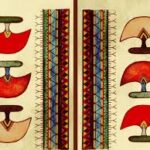
Inuit geometric design in cinema serves a dual purpose: it reflects the cultural heritage of the Inuit people while also enriching the narrative. Kunuk’s incorporation of semi-circular forms and chevrons not only pays homage to traditional Inuit designs but also mirrors the characters’ emotional arcs and social dynamics throughout the film. For instance, these geometric shapes can be seen as visual metaphors for the characters’ internal struggles and communal ties, revealing layers of meaning that resonate with the audience on multiple levels.
This innovative approach to storytelling underscores how art can convey complex narratives, inviting viewers to engage with the characters’ experiences on a more profound level. The shapes and patterns used in the film are not simply decorative; they are embedded with cultural significance, allowing audiences to connect with the Inuit narrative in a way that honors its roots while making it relevant to contemporary contexts.
“Inuit geometric design in cinema transforms visual elements into profound narrative devices, bridging the gap between tradition and modern storytelling.”
Reimagining Tradition in Modern Contexts
Kunuk’s work challenges viewers to reconsider the role of traditional art forms in modern storytelling. By integrating Inuit geometric design into his films, he demonstrates that these cultural artifacts are not relics of the past but living expressions that continue to evolve. This reimagining of tradition is essential for preserving Indigenous stories, as it allows them to remain relevant and impactful in today’s world.
The use of geometric patterns as narrative devices also invites discussions about identity, community, and resilience, themes that resonate universally while being deeply rooted in Inuit culture. As audiences engage with these stories, they are encouraged to reflect on their own experiences and the cultural narratives that shape their lives.
Want to explore this further? Read our full article: How Zacharias Kunuk’s Inuit Cinema Preserves Indigenous Stories at the Venice Biennale
Final Thoughts
Through the lens of Zacharias Kunuk, Inuit geometric design in cinema emerges as a powerful storytelling tool that transcends aesthetics. By embedding cultural significance into visual elements, he not only preserves Indigenous narratives but also redefines how art can communicate complex human experiences. This innovative perspective invites us to appreciate the depth and richness of Inuit art as it continues to evolve in contemporary storytelling.