How Jaune Quick-to-See Smith’s Map Paintings Reclaim Indigenous Territory Through Art
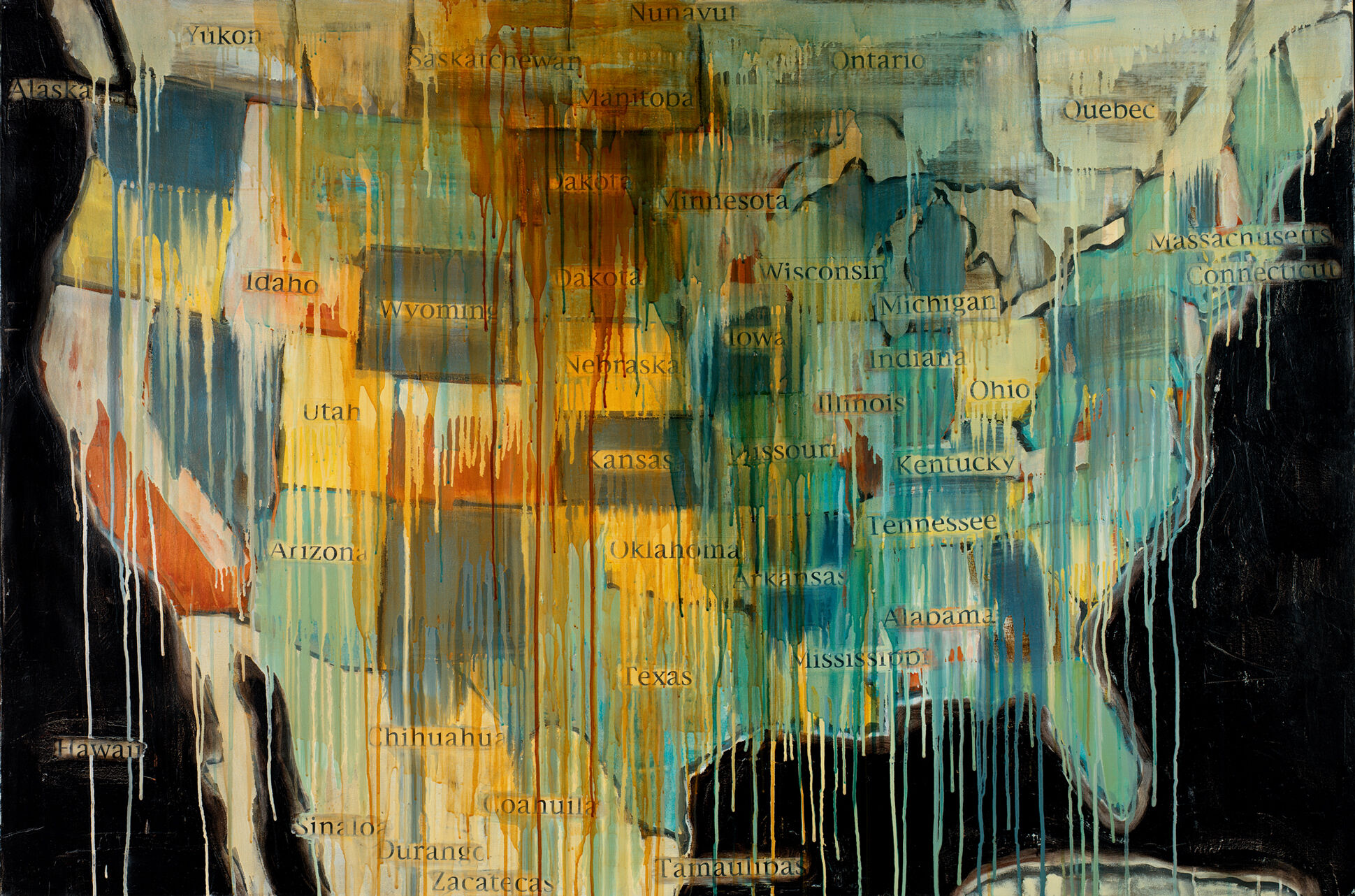
This stunning map painting by Jaune Quick-to-See Smith is a powerful engagement with the history and geography of Indigenous territories. Depicting North America with a chaotic arrangement of state names visible through layers of dripping paint, the work serves as both an artistic tribute and a critique of colonialism. The earthy ochres, teals, and muted greens contrast sharply against the black background, symbolizing the tension between Indigenous identity and the imposed borders of colonial nation-states. This visual dialogue challenges viewers to rethink ownership and displacement, reflecting the Shoshone-Cree history at its core.
Who Is Jaune Quick-to-See Smith?
Jaune Quick-to-See Smith is a pioneering figure in contemporary Native American art, born in 1941 on the Confederated Salish and Kootenai Reservation in Montana. As a member of the Shoshone-Cree Nation, her work embodies a relentless exploration of her Indigenous identity amidst the complexities of modern Western society. Educated at the University of New Mexico and the University of Utah, Smith has dedicated her artistic practice to invoking cultural narratives that critique colonialism and celebrate Indigenous resilience. With her diverse repertoire – which spans painting, printmaking, and installation art – she seeks to weave together personal and collective experiences, making her a vital voice in the conversation around identity and representation in the contemporary art world.
The Tribal Art That Changed Everything
Jaune Quick-to-See Smith’s engagement with tribal art is not mere appropriation; it is a reclaiming of identity and history. Influenced by her Shoshone-Cree heritage and the broader traditions of Native American art, Smith encountered Indigenous symbolism through both personal and communal experiences. The map paintings are particularly significant as they integrate traditional Indigenous narratives with contemporary artistic methods, using elements such as tribal motifs and place names that carry historical weight. By juxtaposing these symbols against the backdrop of colonial maps, she creates a dissonance that urges you to recognize the erasure of Indigenous voices in America.
Reading the Influence in the Work
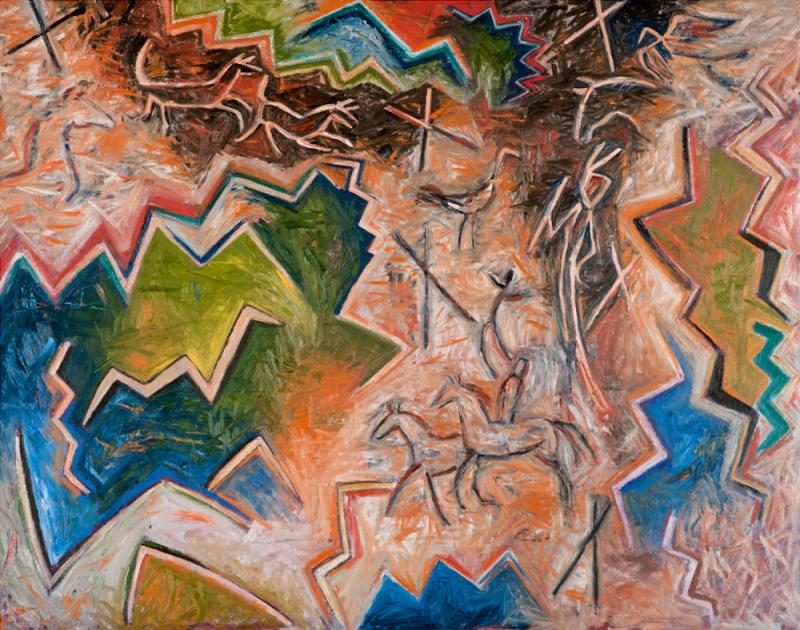
In examining Smith’s map paintings, the influence of Indigenous culture is strikingly evident. The technique of layering paint to create a tactile, almost weeping surface speaks to the pain and loss experienced by Indigenous peoples. The visibility of state names through dripped paint serves as a metaphor for the historical erasure of territories traditionally belonging to Indigenous nations. You might notice how regions like ‘Nunavut’ coexist with U.S. states, cleverly dismantling colonial border constructs while highlighting the interconnectedness of Indigenous identities across North America. This methodology not only conveys the emotional weight of loss but also ignites a dialogue about belonging, ownership, and healing.
“By working with maps, I reclaim the land and confront the erasure of Indigenous existence.” — Jaune Quick-to-See Smith
Moreover, Smith’s integration of visual language from both Indigenous and contemporary art raises questions about cultural ownership and representation. She transcends traditional boundaries, using her platform to engage audiences in a conversation about the history, struggles, and triumphs of Native American peoples. In doing so, she fosters a critical awareness that connects her work to ongoing issues within art, politics, and society.
Why This Dialogue Between Cultures Matters
The artistic exchange between Jaune Quick-to-See Smith and Indigenous cultures is emblematic of a larger movement in art history – one that seeks to dismantle oppressive narratives and create spaces for Indigenous voices. As contemporary artists increasingly embrace their roots and personal histories, works like Smith’s serve to challenge stereotypes and champion decolonial perspectives. The dialogue becomes not only about aesthetics but about acknowledging historical injustices and redefining what it means to belong.
This bridging of cultures paves the way for a renewed appreciation of tribal art within the context of modern artistic practice. It emphasizes that storytelling and representation matter, creating a richer tapestry of global art history where Indigenous experiences are honored and valued rather than sidelined. As you reflect upon Smith’s work, consider how such dialogues can foster understanding and respect across cultural lines, inviting you to participate in the ongoing narrative of Indigenous art.
Final Thoughts
Jaune Quick-to-See Smith’s map paintings exemplify how contemporary artists can engage deeply with their cultural heritage while challenging the legacies of colonization. They remind us that art does not exist in a vacuum; it is a powerful vehicle for advocacy and change. As you explore the implications of her work, consider your own connection to the narratives being told through Indigenous art and the importance of supporting diverse voices in the contemporary landscape.
Books & Resources You Might Enjoy
- Paul Gauguin: A Journey to Tahiti (Adventures in Art)
- Primitivism in Modern Art
- The Land Carries Our Ancestors: Contemporary Art by Native Americans
References & Further Reading
Image courtesy of: Jaune Quick‑to‑See Smith / www.artsy.net — www.artsy.net
Affiliate links on this website may generate a small commission at no extra cost to you. This support helps sustain a project dedicated to the beauty and cultural understanding of tribal art.