How Maurice de Vlaminck’s Discovery of African Sculpture Unleashed Raw Emotion in Fauvism
Maurice de Vlaminck’s exploration of African sculpture profoundly influenced Fauvism. His vibrant colors and dynamic brushwork reflect the raw emotion derived from tribal art, especially in his still lifes that echo the forms of African carvings.
Who Is Maurice de Vlaminck?
Maurice de Vlaminck, born in 1876 near Paris, was a major figure in the Fauvist movement alongside contemporaries like Henri Matisse and André Derain. Initially trained in engineering, he turned to painting full-time and became known for his bold use of color and expressive brushwork. His early exposure to Impressionism paved the way for his later explorations into more abstract forms. As a Fauve, Vlaminck prized emotional expression over realism, a philosophy that would drive him to seek inspiration beyond the confines of Western art traditions.
The Tribal Art That Changed Everything
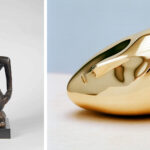
It was during the early 20th century, as colonial exhibitions brought African tribal art to Europe, that Vlaminck encountered the sculptures of cultures such as the Dan and Fang. These artifacts, often characterized by their distinct stylization and emotional depth, struck a chord within him. The energy and directness of these works provided a stark contrast to the intellectualism prevalent in European art, leading Vlaminck to adopt elements of this ‘primitive’ art form in his own work. He saw in these African sculptures an unfiltered emotional expression that he sought to emulate in his fauvist paintings.
Reading the Influence in the Work
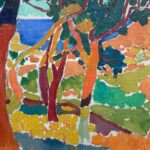
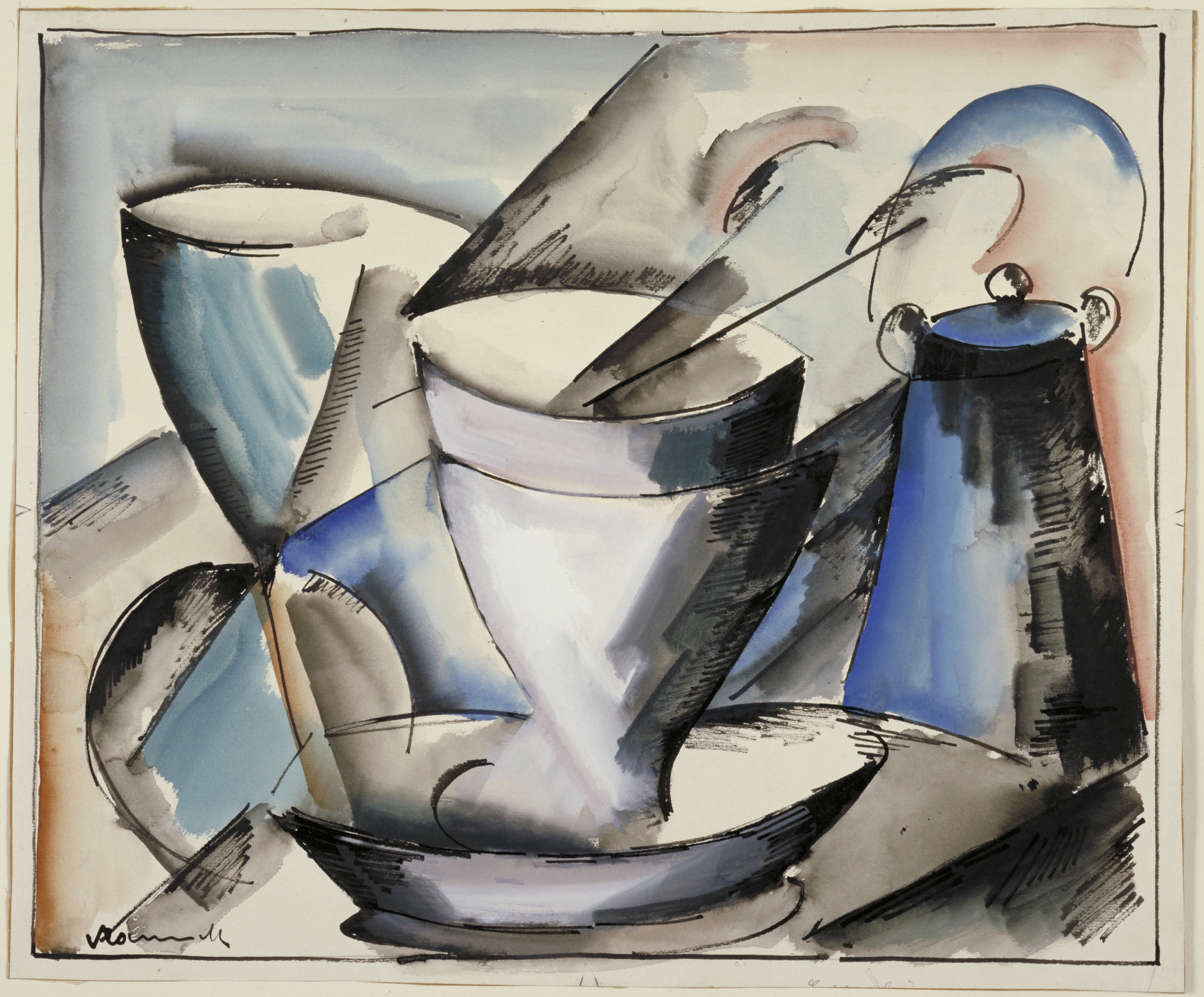
Examining Vlaminck’s still life paintings, you can readily observe the impact of African sculpture. Take, for example, one of his watercolors that features fragmented vessels in bold, angular planes of blue, gray, and earth tones. The conical and cylindrical shapes mimic the sculptural mass of the African figures he admired. His aggressive brushwork echoes the spontaneous energy found in tribal art, while the heavy black outlines signal a departure from traditional perspective, embracing a more tactile approach to form.
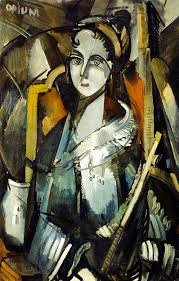
The fusion of Vlaminck’s vibrant strokes with the structural essence of African sculpture creates a dialogue that transcends cultures and deepens our understanding of emotional expression.
In Vlaminck’s work, the rejection of naturalism in favor of a primal energy mirrors the transformative power of tribal art. This embrace of raw emotion becomes a bridge, allowing us to see not just the parallels in form, but the shared human drive to express and connect through creativity.
Why This Matters
The dialogue between Maurice de Vlaminck and African tribal art is not only significant for understanding Fauvism but also represents a broader cultural exchange that reshaped modern art. By integrating elements from diverse traditions, Western artists were able to expand their emotional vocabulary, approaching art from new angles that transcended conventional aesthetics. This melding of influences emphasizes the importance of cross-cultural appreciation and respect, reminding us that the boundaries of art are fluid and that inspiration knows no geography.
Books & Resources You Might Enjoy
- Paul Gauguin: A Journey to Tahiti (Adventures in Art)
- Primitivism in Modern Art
- The Land Carries Our Ancestors: Contemporary Art by Native Americans
References & Further Reading
Image courtesy of: Maurice de Vlaminck / www.ebsco.com — www.ebsco.com
Affiliate links on this website may generate a small commission at no extra cost to you. This support helps sustain a project dedicated to the beauty and cultural understanding of tribal art.