How Constantin Brâncuși’s Radical Simplification Drew from African Sculptural Traditions
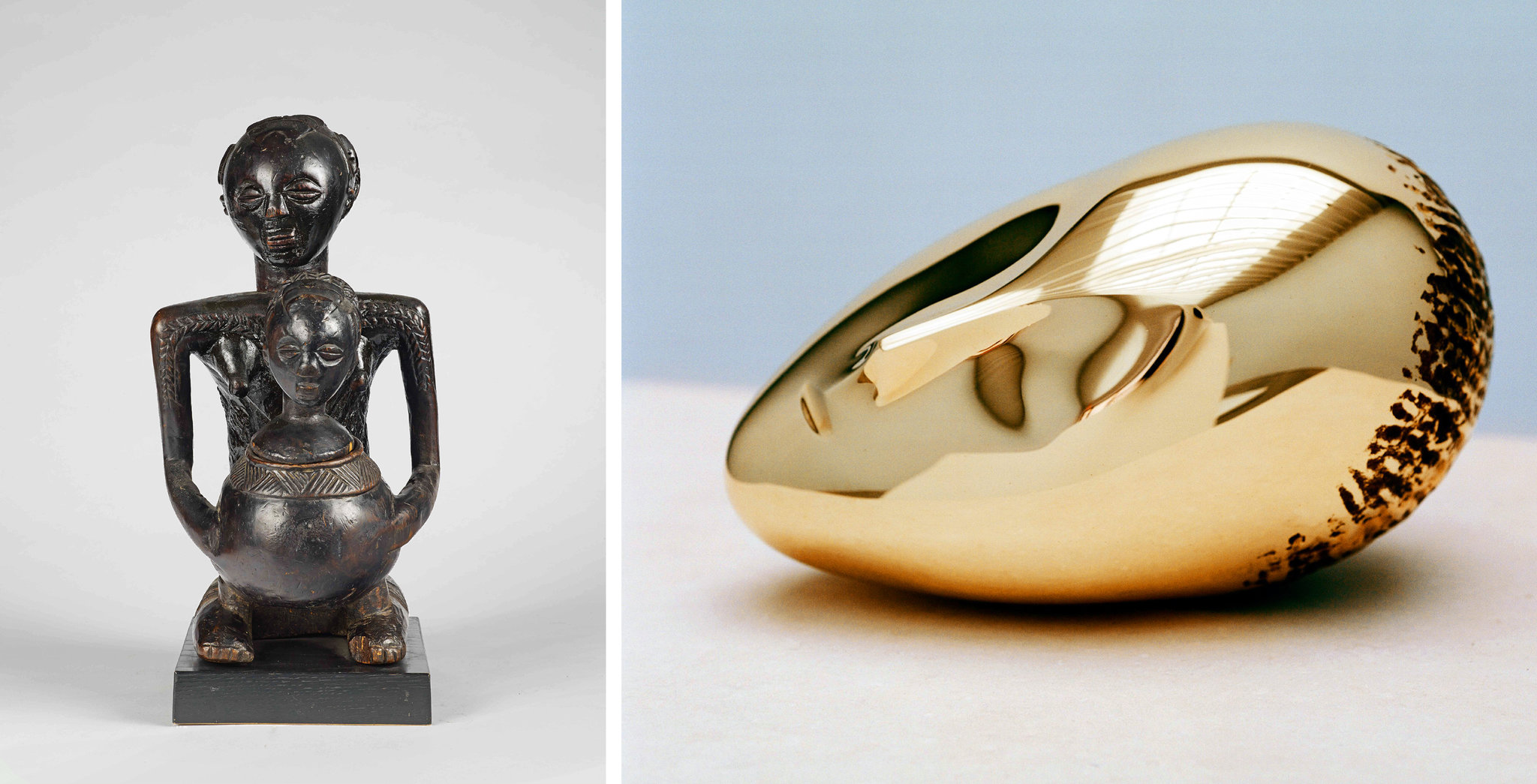
In the realm of modern sculpture, Constantin Brâncuși’s work stands as a testament to the transformative power of abstraction. One of his most iconic pieces, ‘Sleeping Muse,’ captures the essence of human reflection in a way that echoes the traditions of African sculptural forms. Here, we find a dialogue across cultures; Brâncuși’s simplified, polished bronze head resonates deeply with the elongated, stylized characteristics of Central African Luba and Hemba sculptures. This relationship reveals not only an aesthetic convergence but also an homage to the deep-seated cultural roots found in tribal art.
Who Is Constantin Brâncuși?
Born in Romania in 1876, Constantin Brâncuși emerged as a revolutionary figure in the world of sculpture during the early 20th century. Initially gaining experience through academic training, his artistic journey took him to Paris, where he encountered a rich tapestry of artistic movements. Influenced by the burgeoning modernism around him, Brâncuși sought to break free from the constraints of traditional representation. He believed in capturing the essence of a subject rather than merely replicating its physical form, a philosophy that led him to create some of the most iconic artworks of the modern period. His works are characterized by a relentless pursuit of simplicity and purity, pushing the boundaries of abstraction. This pursuit would also lead him to draw inspiration from tribal cultures, particularly those of Central Africa.
The Tribal Art That Changed Everything
Brâncuși’s encounter with African art came not from a direct personal connection—there are no records of him visiting Africa—but rather through the cultural exchanges happening in early 20th-century Europe. Paris was a melting pot for artists and intellectuals who were fascinated by the art forms emerging from colonial encounters, and tribal art became a hotbed of inspiration. Specifically, it was the Luba and Hemba traditions from the Democratic Republic of Congo that caught his eye with their rich symbolism and abstract forms. These cultures produced sculptures that emphasized not only the beauty of the human form but also the spiritual and ancestral connections they embodied.
Reading the Influence in the Work
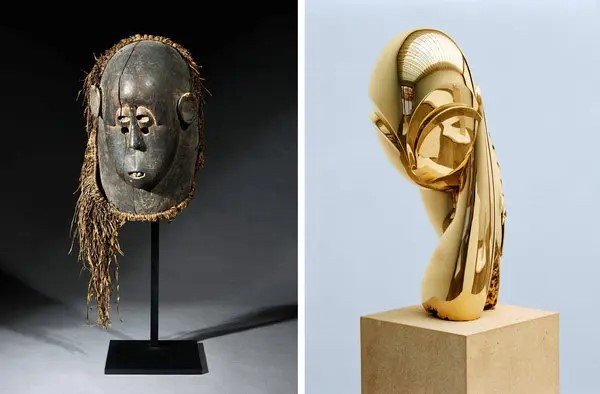
In ‘Sleeping Muse,’ you can observe the striking parallels with the caryatid figures of the Luba culture. The smooth, almost seamless surface of Brâncuși’s work distills the human head into an essential ovoid shape, emphasizing the purity of form. The closed, contemplative eyes suggest introspection, a quality that resonates similarly with the serene expressions found in African masks. In both cases, the abstraction strips away superfluous details, directing your attention toward the essence of humanity—spirituality and serenity. This visual language of simplification and abstraction not only honors the spiritual undercurrents of African art but also serves as a bridge between emotional expression and formal innovation.
The connection between Brâncuși’s idealized forms and African sculptures reflects a broader quest for the universal essence of the human experience.
Why This Dialogue Between Cultures Matters
Understanding how artists like Brâncuși draw from tribal art invites us to reconsider the dialogue between cultures throughout art history. This interaction is essential not just for the artists themselves but also for us as viewers and appreciators of art. By acknowledging tribal influences, we open our eyes to the richness that arises from cross-cultural engagement. It fosters a respect for the traditions that inform contemporary practices, moving away from a reductive view of “primitive art” as merely a historical or cultural curiosity. Instead, we recognize how African art has provided a framework for modernist exploration, pushing the boundaries of creative expression and establishing deep roots for abstract art forms. This dialogue enriches our understanding of both the source cultures and the artists who draw inspiration from them.
The Bigger Picture
As we delve into the work of Constantin Brâncuși and his connections to tribal art, we find that the boundaries between cultures are fluid and vital. Brâncuși’s innovative approach challenges us to see beyond styles and eras, revealing an artistic lineage rich with dialogue and exchange. In exploring these connections, we not only celebrate Brâncuși’s legacy but also respect and honor the traditions that catalyzed his groundbreaking vision. The fusion of modernism with the profundity of tribal art invites us to appreciate the beauty of collaboration across time and space, reminding us that art remains a shared language transcending cultural divides.
Books & Resources You Might Enjoy
- Between Art and Anthropology (Contemporary Ethnographic Practice)
- Paul Gauguin: A Journey to Tahiti (Adventures in Art)
- Primitivism in Modern Art
References & Further Reading
Image courtesy of: Constantin Brâncuși / www.ebsco.com — www.ebsco.com
Affiliate links on this website may generate a small commission at no extra cost to you. This support helps sustain a project dedicated to the beauty and cultural understanding of tribal art.