How Bruce Clarke’s South African Roots Transform Contemporary Art Through Tribal Memory and Identity
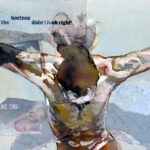
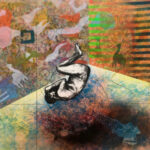
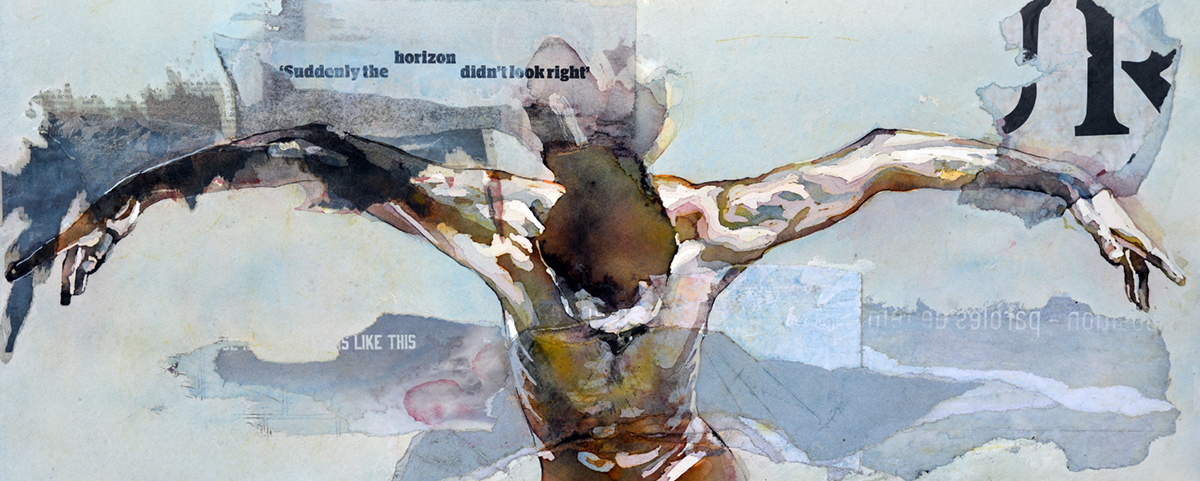
In the vibrant and intricate world of contemporary art, few artists exemplify the dialogue between tribal heritage and modern expression quite like Bruce Clarke. His captivating work, often depicting headless figures rendered in fluid watercolor and collage techniques, speaks volumes about the connections between South African tribal traditions and contemporary narratives of identity. One such piece illustrates a cruciform pose, with an unsettling yet evocative text fragment that reads, “Suddenly the horizon didn’t look right.” Through this lens, Clarke invites viewers to explore the richness of tribal memory while confronting themes of dismemberment and identity shaped by colonial and apartheid histories.
Who Is Bruce Clarke?
Born in South Africa, Bruce Clarke draws deeply from his roots to forge a unique artistic voice that resonates within the realm of contemporary African art. Growing up amidst the rich tapestry of South African culture, Clarke was keenly aware of the complexities of tribal identities, especially in a post-apartheid context. His paintings traverse the historical landscape of South Africa, engaging with the cultural traditions of the Zulu and Xhosa peoples, which are often expressed through body painting and ritual practices. Clarke’s oeuvre reflects his commitment to acknowledging and reinterpreting the past, while simultaneously allowing space for contemporary dialogues about race, identity, and memory.
The Tribal Art That Changed Everything
Clarke’s work is heavily influenced by the aesthetic and cultural frameworks of South African tribal art, particularly that of the Zulu and Xhosa communities. These cultures are renowned for their rich visual symbolism, often conveyed through body painting, scarification, and ceremonial practices. Clarke’s engagement with these traditions typically reveals itself in his reinterpretations of traditional body aesthetics, as he reshapes these elements to comment on modern experiences of fragmentary identity in a post-apartheid society. His inspiration is rooted in his exposure to ancestral stories from childhood, coupled with a profound respect for the continuation of these practices and their meanings.
Reading the Influence in the Work
When observing Clarke’s paintings, one can quickly identify the powerful visual dialogue with tribal art. In the aforementioned piece featuring a headless figure, the pose is reminiscent of traditional South African rituals often associated with ancestral reverence and spiritual transformation. The fractured identity of the figure mirrors the ways in which colonial violence has disrupted personal and collective memory for many South Africans. The exposed treatment of the human body, complemented by raw textures and watercolor washes, speaks to South African body painting traditions that communicate status, identity, and communal belonging. The layering of fragmented text in this piece further emphasizes a disconnection from historical self, accentuating the complexity of identity in a land marked by deep scars of injustice.
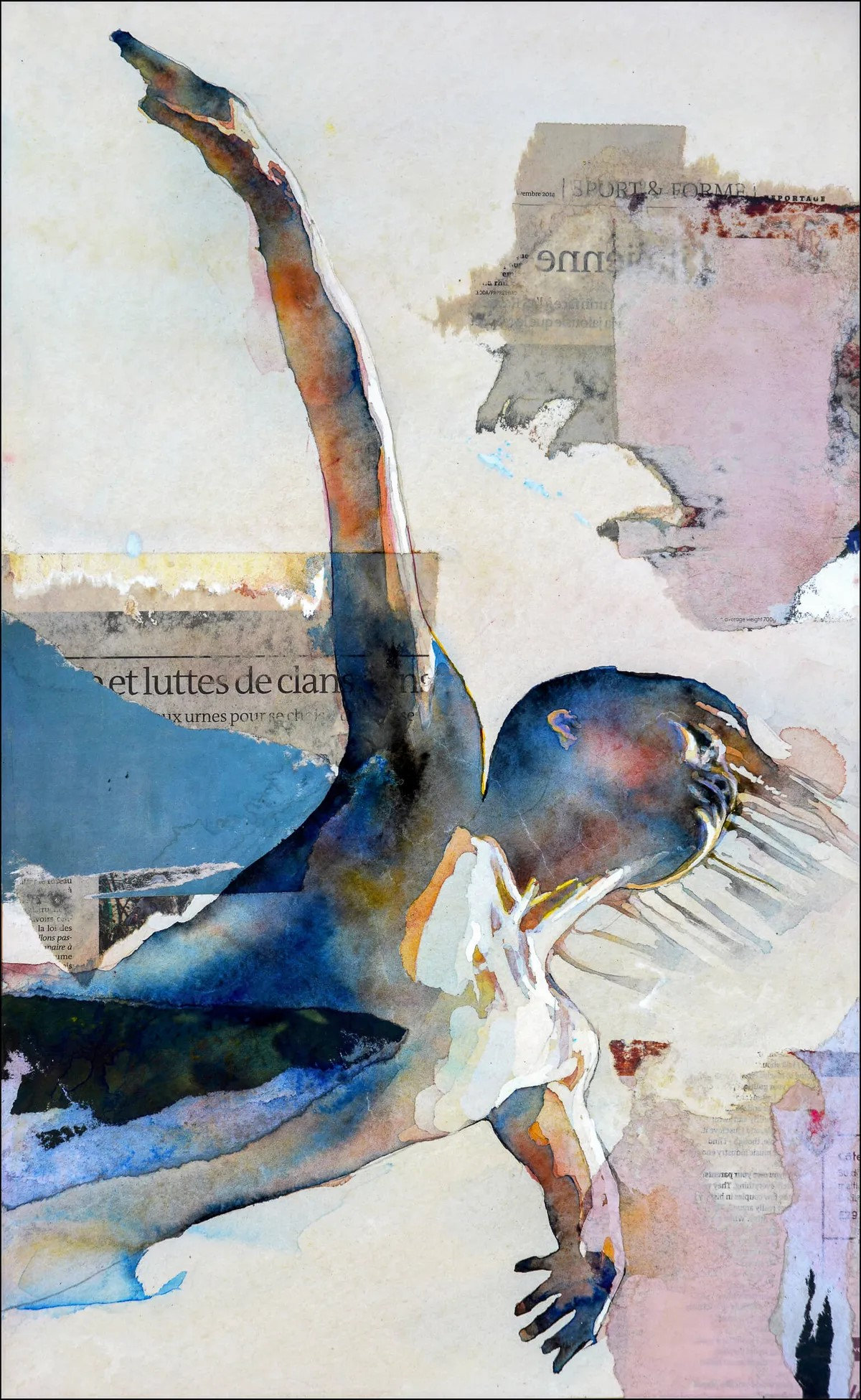
The convergence of tribal memory and contemporary expression is not merely art; it’s a testament to resilience and reclamation.
The significance of Bruce Clarke’s work extends beyond aesthetic appeal; it serves as a vital dialogue between cultures that fosters understanding and appreciation of tribal legacies. In our increasingly globalized world, appreciating such dialogues becomes essential for recognizing the rich contributions of diverse cultures and promoting a more inclusive narrative in art history. Clarke’s engagement with his own heritage invites viewers to reflect on the ongoing implications of colonial histories in shaping contemporary identities and the power of art to initiate conversations around these critical issues.
What This Means for You
As you explore the intersections between tribal art and contemporary practices, consider how artists like Bruce Clarke enable a deeper dialogue about identity, memory, and transformation. His work challenges us to think critically about our own cultural contexts while encouraging us to empathize with the experiences borne from histories of trauma and resilience. In every stroke and fragment, Clarke communicates a message that is both personal and universal, reminding us of the ongoing journey toward understanding ourselves and each other amidst a tapestry of diverse human experiences.
Books & Resources You Might Enjoy
- Paul Gauguin: A Journey to Tahiti (Adventures in Art)
- Primitivism in Modern Art
- The Land Carries Our Ancestors: Contemporary Art by Native Americans
References & Further Reading
Image courtesy of: Bruce Clarke / www.sitges.cat — www.sitges.cat
Affiliate links on this website may generate a small commission at no extra cost to you. This support helps sustain a project dedicated to the beauty and cultural understanding of tribal art.