How Nadia Myre’s Indigenous Heritage Transformed Textile Art into Acts of Collective Healing
Nadia Myre’s mesmerizing textile work, titled “Mise‑à‑jour amb perforacions i puntades,” stands as a powerful synthesis of contemporary art and Indigenous heritage. This piece intricately weaves together the threads of Algonquin culture, particularly drawing on Montagnais traditions, to transform textile art into acts of collective healing and resistance. With gradating warm tones reminiscent of a calming horizon, Myre’s work is not just about aesthetics; it also serves as a tribute to community, memory, and resilience, echoing the deep-rooted significance of Indigenous craft practices.
Who Is Nadia Myre?
Nadia Myre is an Algonquin artist from Canada, born in 1974. Raised within the rich cultural tapestry of the First Nations, she has devoted her career to exploring themes of identity, history, and the transformative power of art. Myre’s artistic journey began with a formal education, earning her Bachelor of Fine Arts from the Emily Carr Institute of Art and Design and later, a Master of Fine Arts from the University of Quebec in Montreal. Over the years, she has become renowned for her innovative use of traditional Indigenous techniques, embracing textiles such as beadwork and quillwork with a contemporary twist. Myre’s work challenges colonially imposed narratives while reaffirming Indigenous voices, weaving a narrative that is as complex as it is beautiful.
The Tribal Art That Changed Everything
Myre’s encounter with her heritage profoundly influenced her artistic practice. The Montagnais culture, as part of the larger Algonquin tradition, has a rich history of communal craft processes where textile art is woven into the fabric of social interactions. Myre learned about the significance of beadwork and quillwork through her family and community, where these practices were more than mere art forms; they represented a collective identity and cultural memory. It was through her direct engagement with these traditions that Myre found her voice in contemporary art, shaping a dialogue that reverberates with healing and connection. By employing these traditional practices within her contemporary works, Myre intricately bridges the gap between past and present, showcasing how Indigenous art can speak to modern sensibilities.
Reading the Influence in the Work
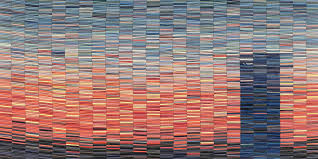
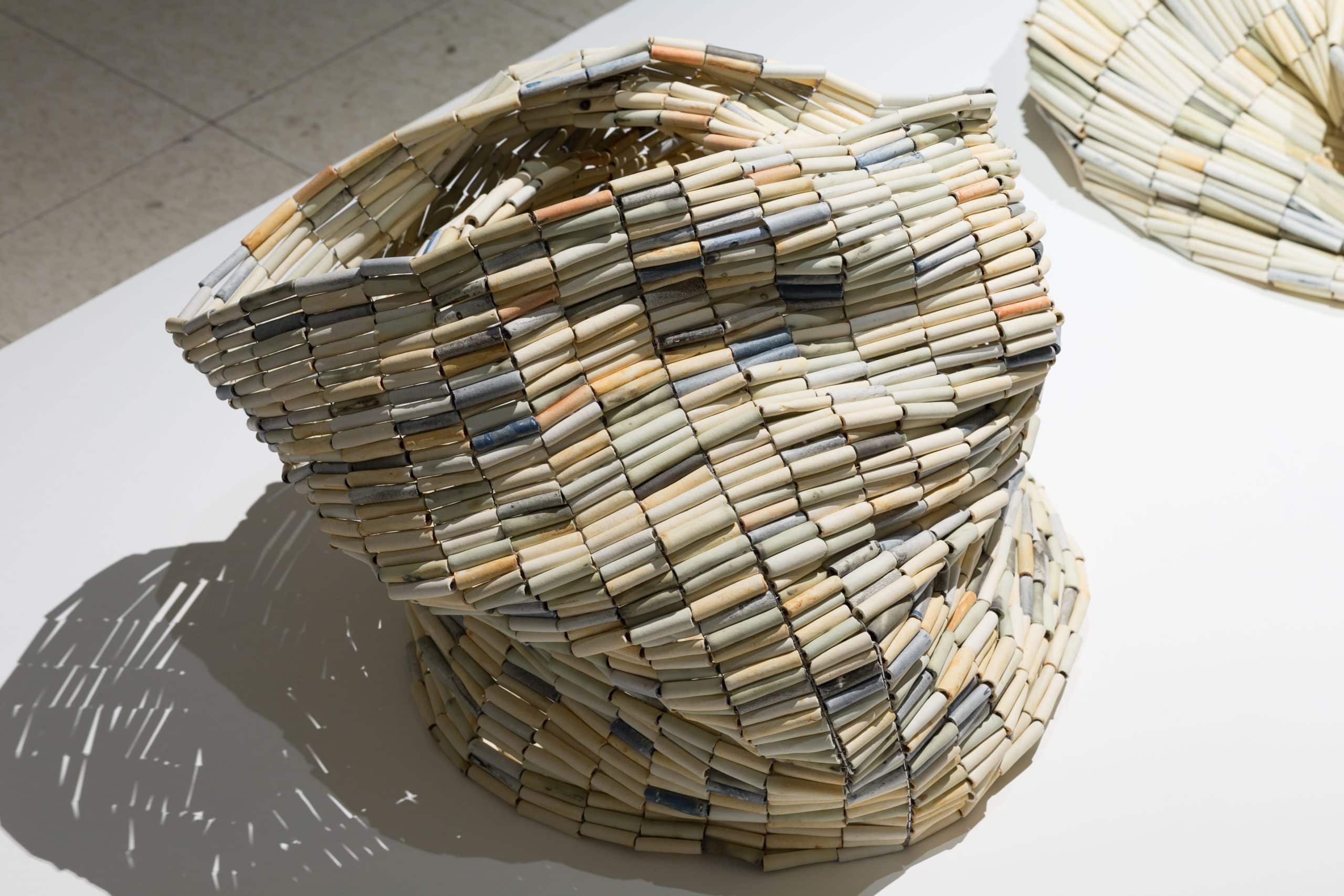
In “Mise‑à‑jour amb perforacions i puntades,” Myre utilizes repetitive stitching patterns that mirror traditional Indigenous beadwork techniques. Each small element in her textile forms a part of a larger narrative that reflects on community and collective memory. The warm tones of coral, salmon, and muted blue not only evoke a sense of place but also resemble the landscapes of the Algonquin territories. As you observe the carefully constructed grid of horizontal strips, you can feel the essence of the Montagnais communal traditions that inform her practice. This layering of stitches and colors serves both as a metaphor for healing and as a reclamation of cultural significance—a testament to the communal ties that bind these creative endeavors together.
The very act of stitching is a meditation on resistance—a reaffirmation of cultural identity and collective memory.
Through Myre’s work, you can see that art is not just an expression but an opportunity for dialogue across cultures. By incorporating Indigenous techniques and aesthetics into contemporary formats, Myre offers viewers a chance to reflect on the complexities of cultural identity in a post-colonial context. Her art challenges viewers to recognize the wealth of knowledge embedded within Indigenous traditions, and to appreciate how these practices can serve as pathways to healing, understanding, and reconciliation.
Why This Dialogue Between Cultures Matters
The significance of Nadia Myre’s work extends beyond her individual expression; it resonates within a broader context of art history and cross-cultural appreciation. By lifting Indigenous art practices into contemporary dialogues, Myre participates in a reclamation of cultural narratives that have often been overlooked or misunderstood. Her work serves as a reminder that art can act as a bridge between cultures, fostering mutual respect and understanding. Through her exploration of textile art, she emphasizes the importance of community and connection in a world that often prioritizes individualism. This dialogue is essential not only for Indigenous representation in the arts but also for the cultivation of empathy and awareness in society as a whole.
The Bottom Line
Nadia Myre’s “Mise‑à‑jour amb perforacions i puntades” exemplifies the profound connection between contemporary art and Indigenous traditions, demonstrating how textile art can serve as a medium for healing, resistance, and cultural identity. As you explore her work, consider the layers of meaning that each stitch holds, reflecting a collective memory and the resilience of the Montagnais community. Myre’s practice not only honors her heritage but invites us all to engage with the rich tapestry of Indigenous culture, fostering a greater appreciation for the diverse narratives that shape our world.
Books & Resources You Might Enjoy
- Paul Gauguin: A Journey to Tahiti (Adventures in Art)
- Primitivism in Modern Art
- The Land Carries Our Ancestors: Contemporary Art by Native Americans
References & Further Reading
Image courtesy of: Nadia Myre / blog.artsper.com — blog.artsper.com
Affiliate links on this website may generate a small commission at no extra cost to you. This support helps sustain a project dedicated to the beauty and cultural understanding of tribal art.