Dayak Tribal Tattoos: Sacred Marks of Borneo
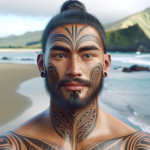
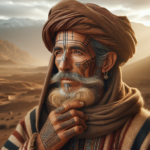
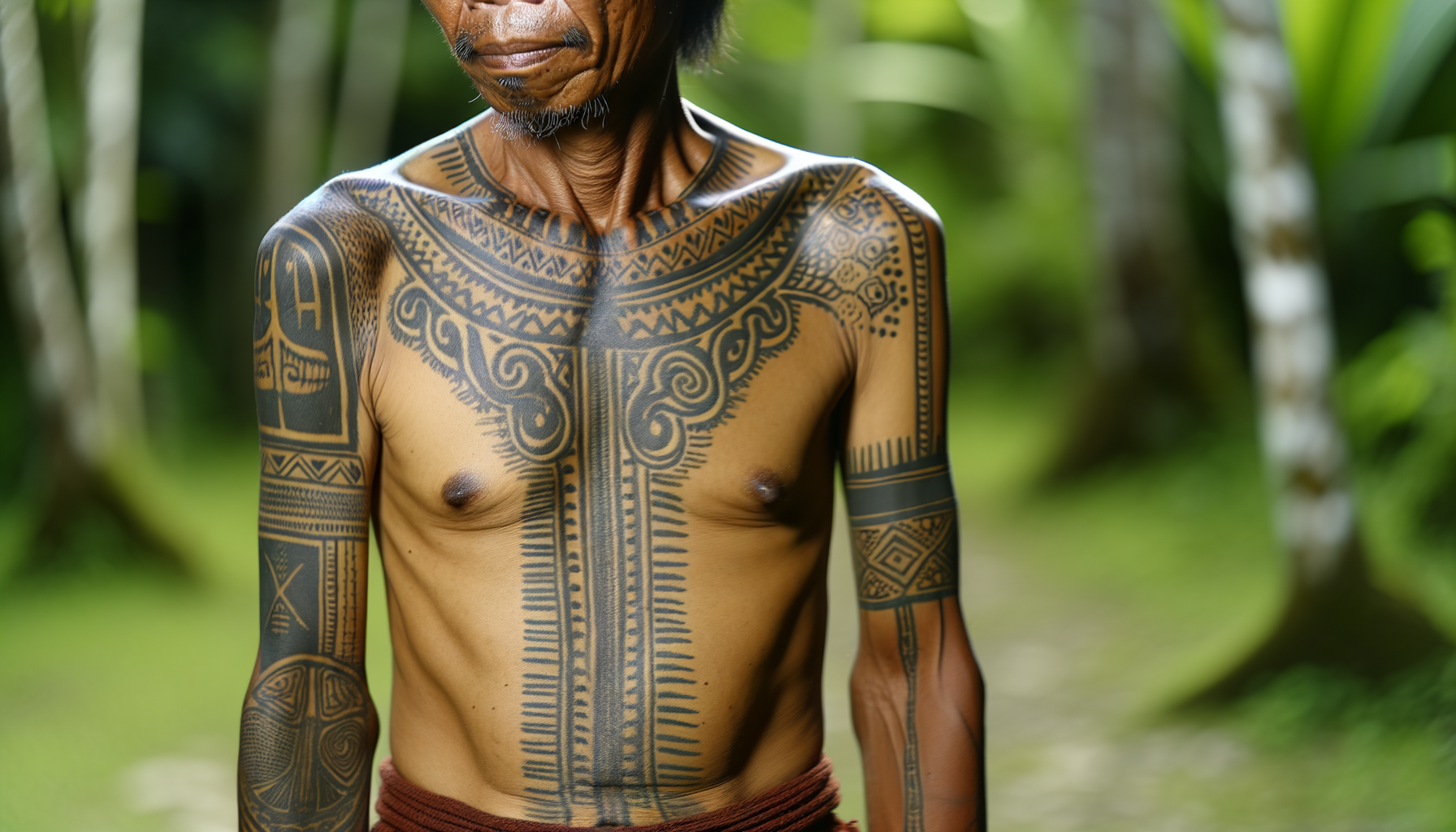
Have you ever gazed at a tattoo and felt the story behind it whisper to you? That’s the magical allure of Dayak tattoos, a vital aspect of the rich tapestry of Borneo’s indigenous cultures. Particularly among the Iban people, tribal tattoos convey messages of identity, bravery, and tradition. These ancient symbols are not just body art; they’re sacred marks that connect the wearer to their ancestors and the natural world. Ready to dive deeper into the traditions and meanings of these stunning designs? Let’s take a journey through the mystical world of Dayak tattoos!
The Significance of Dayak Tattoos
For the Dayak tribes, particularly the Iban, tattoos carry profound meanings that exceed mere aesthetics. Traditionally, these tattoos were earned as part of rites of passage, each marking a significant life event—their first kill, a successful headhunting expedition, or the bearing of a child. Each design is steeped in history and represents the wearer’s personal narrative and bravery.
Tattoos were also seen as a protective measure. The Dayak believed that these markings could guard against evil spirits and misfortune. For instance, many traditional Iban tattoos incorporate natural elements, which the tribes attribute with specific spiritual significances. These designs often reflect elements of the jungle, such as snakes, birds, and flowers, showcasing a deep respect for nature.
Designs and Meanings
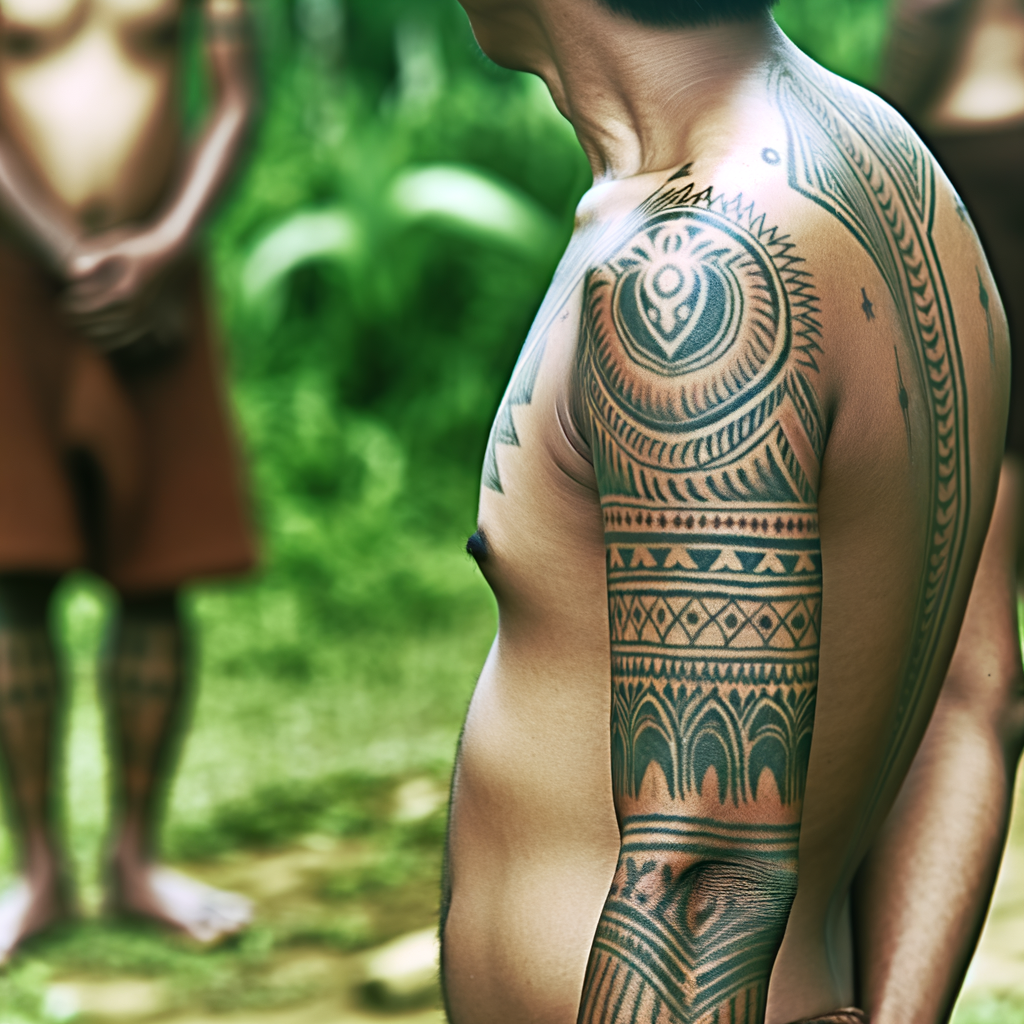
Dayak tattoos exhibit a variety of intricate designs, each uniquely tailored to convey certain meanings. One popular tattoo motif among the Iban is the “Keling” or tribal warrior design, often featuring forms of snakes or lizards to symbolize agility and strength. These designs are not only visually stunning but are a testament to the carrier’s bravery and feats. The same goes for floral motifs, where flowers are believed to represent beauty and femininity in their culture.
Another important design is the “Panglima”, which signifies a leader or a respected warrior within the tribe. The appeal of these patterns extends beyond their beauty—they forge a connection with ancestral stories and the land itself. The more intricate and deeper the tattoo, the more respect it commands within the tribe.
The Tattooing Process
Getting a Dayak tattoo is no simple affair. Traditionally, the process involves intricate rituals, often done exclusively by skilled tattoo artists who keep the tribal craft alive. The instruments used are mostly hand-carved and can include thorn sticks and bamboo. The tattooing method often requires great patience and shows the tattoo artist’s deep knowledge of the craft, ensuring that each stroke upholds the legacy of the tribe.
During the tattooing process, the individual may go through ceremonies that invoke the protection of spirits, seeking a harmonious relationship with both the natural world and their ancestors. This holistic approach transforms these tattoos into more than mere skin markings; it’s an embodiment of identity, spirituality, and belonging.
Reviving the Tradition
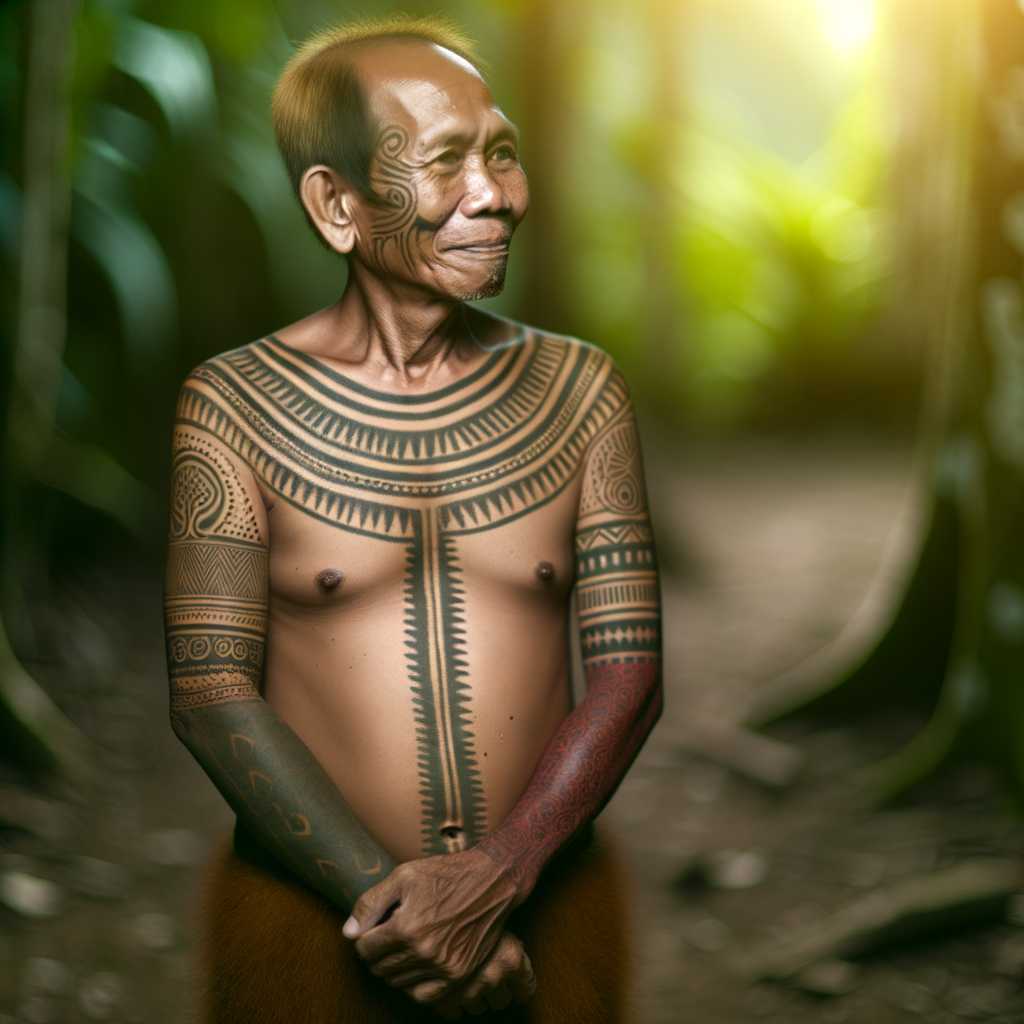
In recent years, there has been a resurgence in interest in Dayak tribal tattoos as more young people look to embrace and explore their cultural roots. This revival sees many artists pushing the boundaries of traditional designs while still respecting and honoring their origins. Today, you’ll find dayak tattoo borneo iban tribal indigenous art starting to cross over into modern tattoo culture, appealing to tattoo enthusiasts worldwide who are fascinated by the cultural narratives behind these striking designs.
If you’re inspired by these sacred markings, why not explore more about tribal designs? Various tattoo design books, such as the Tribal Tattoo Designs Book, can give you insight into how to blend ancient motifs into your own story. You’ll also find inspiration related to other indigenous traditions in resources like the Polynesian Tattoo Designs Book and the Maori Tattoo Art Book, which delve into the rich histories and meanings behind various tribal tattoos across the globe.
Visiting Borneo: A Cultural Journey
If learning about Dayak tattoos has sparked a travel itch in you, you’re not alone! Visiting Borneo allows you to immerse yourself in the vibrant culture and get up close to some of the world’s most beautiful tribal artistry. Imagine walking through the lush jungles, experiencing local traditions, and even witnessing tattoo ceremonies firsthand. It’s a trip that promises not just adventure but a deeper understanding of humanity’s connection with art and culture.
As you travel, keep an eye out for local handicraft markets where artisans showcase tattoo designs, crafts, and performances that embody the spirit of the Iban. Engage with the local communities and listen to their stories; they have so much to share about their heritage and the significance of their tattoos. Every experience will certainly enrich your journey and deepen your appreciation for this tribal art.
What This Means for You
Understanding Dayak tattoos means appreciating the rich stories woven into the fabric of Borneo’s indigenous cultures. These sacred markings represent much more than personal stories; they are a vibrant connection to ancestral wisdom and the natural world. By exploring these traditions, whether through travel or study, you gain not only knowledge but a path towards embracing the beauty of cultural diversity. So, if you ever feel the call of adventure or the desire to express yourself through art, consider where it leads you. You might discover not just new designs but a deeper connection to the world and the stories we share.
Affiliate links on this website may generate a small commission at no extra cost to you. This support helps sustain a project dedicated to the beauty and cultural understanding of tribal art.