Tribal Rugs: A Buyer Guide to Authentic Ethnic Carpets
Imagine stepping onto a vibrant tribal rug that instantly transports you to the heart of a village in Morocco or the vast landscapes of the Navajo Nation. Tribal rugs hold a unique allure, weaving tales of culture, tradition, and artistry into every fiber. If you’re looking to add an authentic touch of heritage to your home, a tribal rug could be the perfect piece. In this buyer’s guide, we’re diving into what makes these handmade treasures so special and how you can choose the right one for your space.
What is a Tribal Rug?
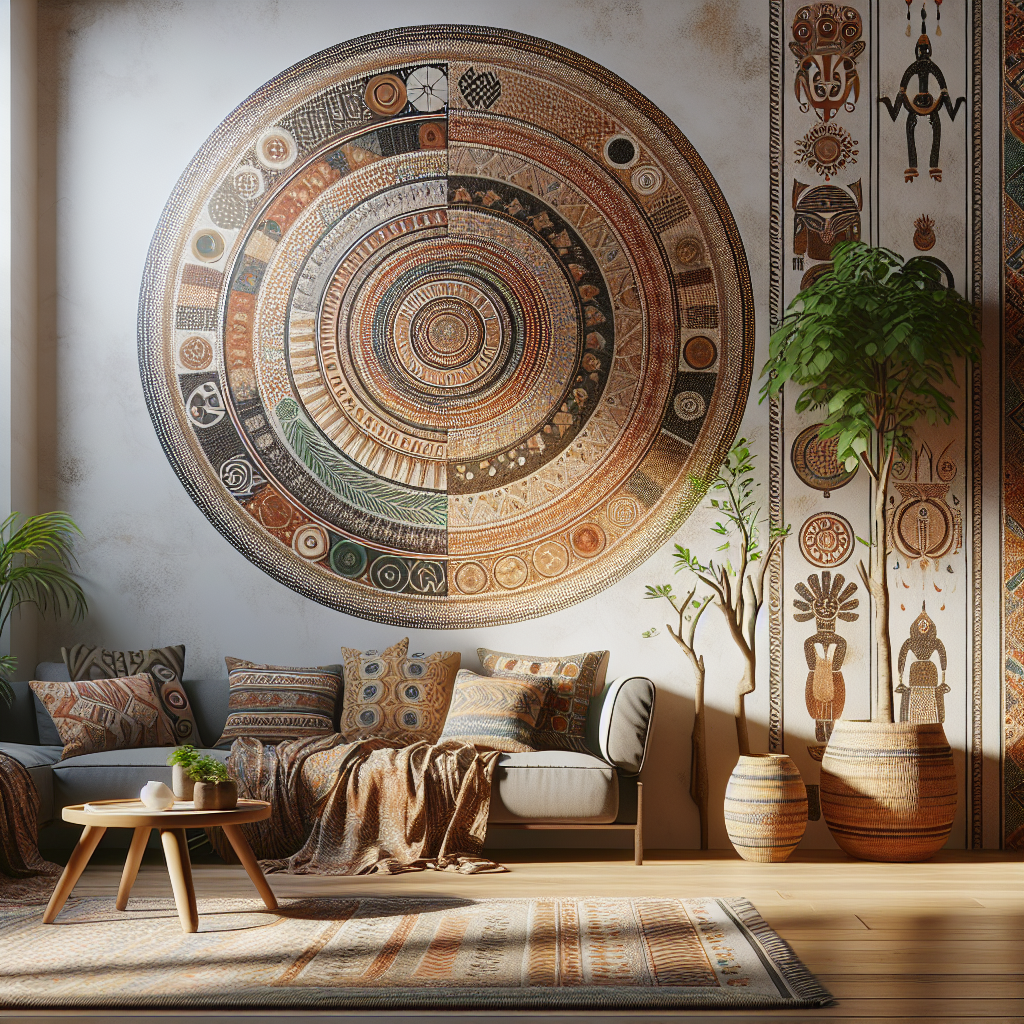
At its core, a tribal rug is a carpet crafted by indigenous peoples around the world, showcasing their cultural heritage. These rugs are typically handmade using traditional techniques passed down through generations. You’ll often find stunning patterns, vibrant colors, and a variety of materials reflective of the environment from which they originate.
The beauty of tribal rugs lies not just in their aesthetics but in the stories they tell. Each design offers a glimpse into the lifestyle, beliefs, and natural surroundings of the artisans who created them. Whether you’re drawn to the intricate geometric patterns of a Berber rug or the rich symbolism found in Native American textiles, there’s a fascinating world waiting for you to explore.
Why Choose a Handmade Tribal Carpet?
When you choose a handmade tribal carpet, you’re not just picking a floor covering; you’re investing in a piece of art that has been lovingly crafted with skill and care. Many tribal rugs are made from natural materials like wool and cotton, which not only provide durability but also breathe life into your home. Unlike mass-produced carpets, these ethnic rugs boast unique characteristics—no two are exactly alike!
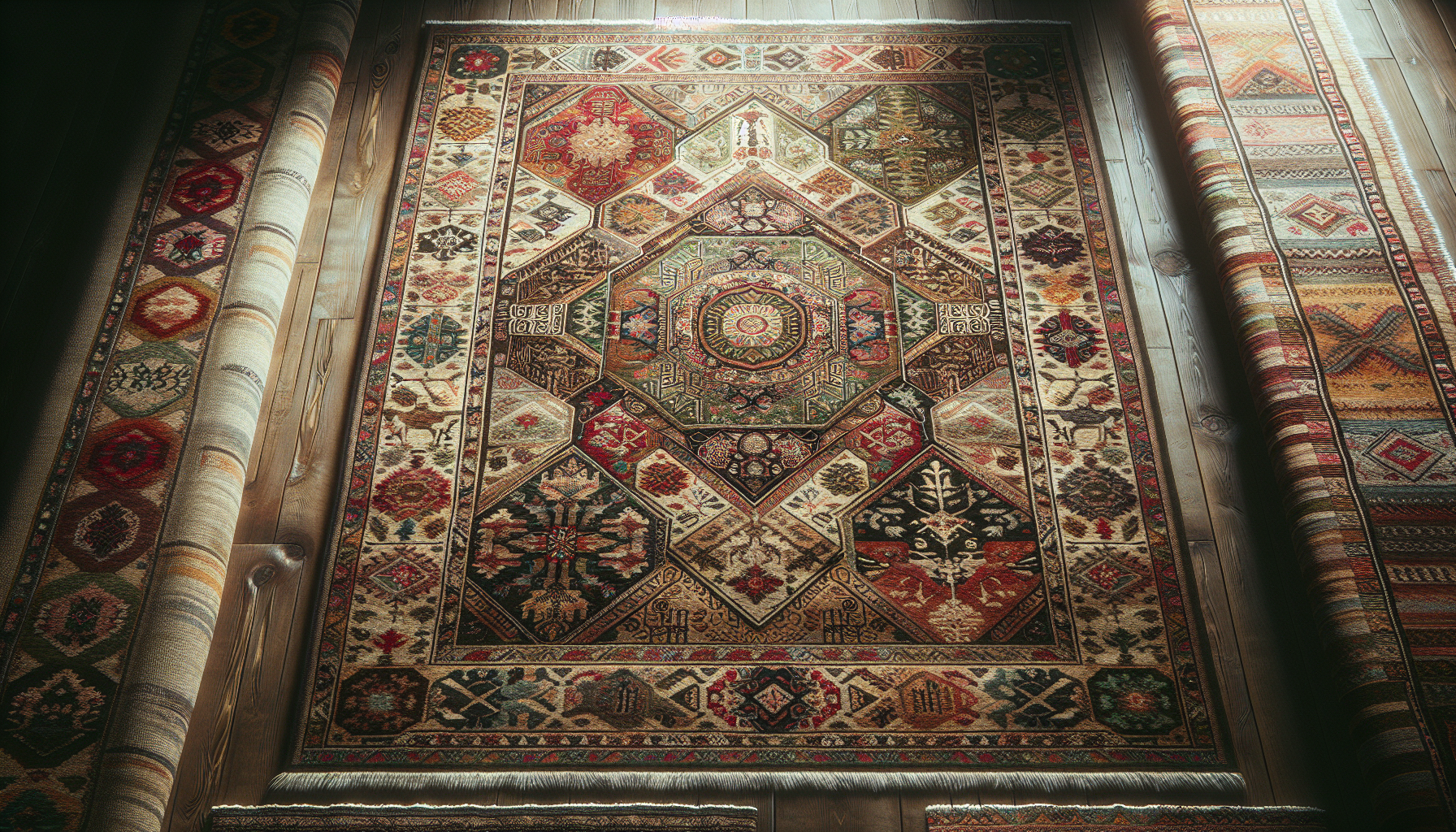
A beautiful example is the Handmade Tribal Area Rug, which showcases stunning craftsmanship and vibrant colors that can brighten any room. It’s a delightful way to incorporate global culture into your interior design. Additionally, the texture and quality of handmade rugs often surpass that of their factory-made counterparts, ensuring you have a durable yet luxurious addition to your space.
Understanding the Different Styles of Tribal Rugs
When it comes to tribal rugs, the variety is bountiful. Each region brings its own flair and symbolism to the table. For instance, Persian tribal rugs are known for their intricate designs and rich history, reflecting the stories of the communities who weave them. On the other hand, Southwestern American rugs often showcase bold, geometric patterns inspired by nature, which may draw you in with their simplicity and elegance.
If you’re looking for something with a bohemian twist, a bohemian tribal rug might just be what you need. These rugs blend vibrant colors and patterns, making them perfect for creating a warm and eclectic atmosphere. You can also explore lovely options like the Tribal Pattern Cushion Cover Set to complement your rug and enhance that cozy, boho vibe!
How to Choose the Right Tribal Rug
Choosing the perfect tribal rug can feel overwhelming, given the abundance of styles and options available. Here are a few tips to help you navigate your journey:
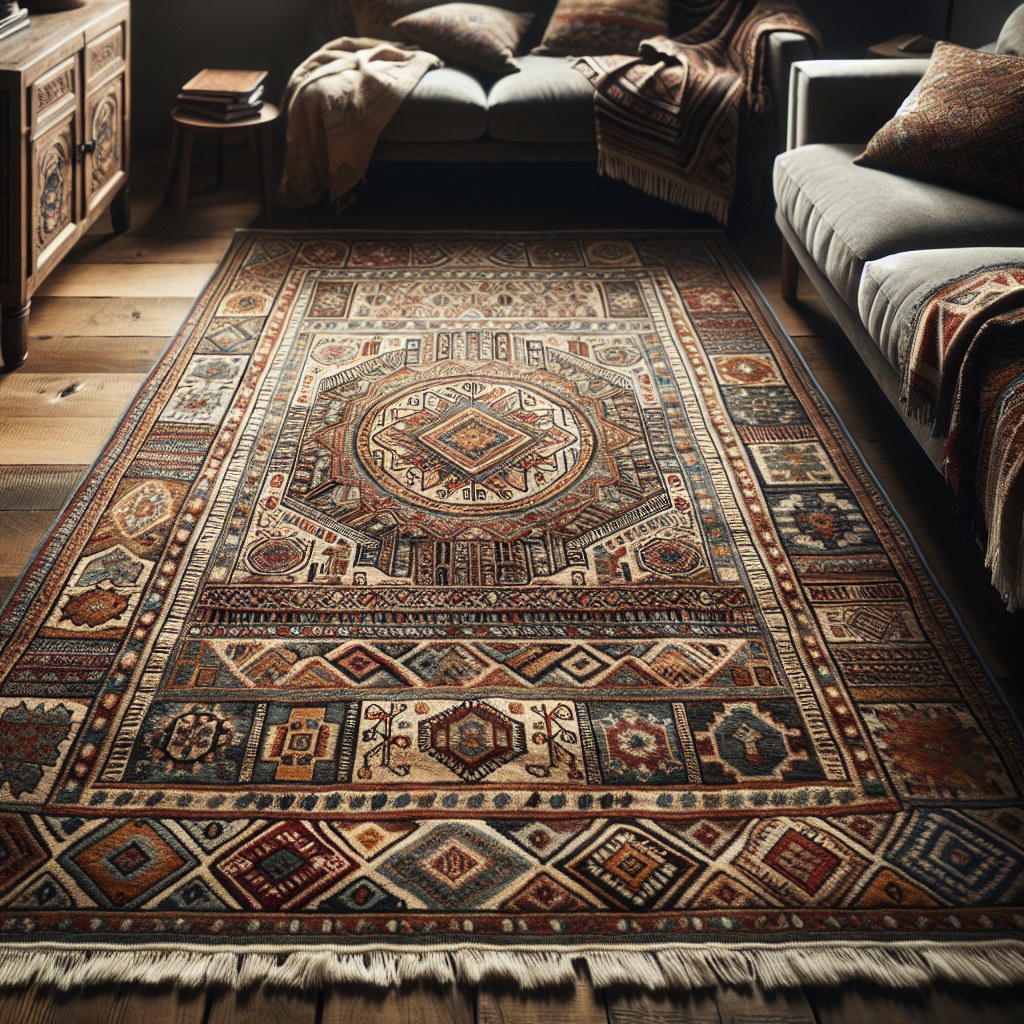
First, consider the size of your space. Tribal rugs come in various dimensions, so measuring your room beforehand will help you find a rug that fits harmoniously. You’ll want to balance the size of the rug with the furniture in the room. A common rule is to allow for some bare floor around the edges to frame the area.
Next, think about the color palette. Adding a tribal rug to your home should harmonize with your existing decor. Look for colors that either match your aesthetic or add a contrasting element that sparks intrigue. The right rug can become the focal point of your room, drawing the eye and enhancing your overall design.
Where to Find Authentic Tribal Rugs
While there are many places to search for tribal rugs, it’s important to ensure that you’re purchasing from reputable sources to avoid falling prey to imitations. Artisan markets, craft fairs, and dedicated online retailers specializing in ethnic art are excellent places to start your quest.
Don’t forget to explore platforms like Amazon for curated selections of tribal and ethnic rugs. For example, you might find the Handmade Tribal Area Rug that meets both your aesthetic desires and your commitment to supporting ethnic artisans. By investing in these beautiful pieces, you’re helping preserve traditional craftsmanship and promote cultural appreciation.
Taking Care of Your Tribal Rug
Once you’ve found the perfect tribal rug, taking good care of it is essential to ensure its longevity. Regular vacuuming will help keep dirt and dust at bay, while spot cleaning should be done carefully when necessary. Avoid using harsh chemicals that could damage the natural fibers. Instead, opt for gentle cleaning solutions if you’re dealing with stains.
If your rug requires deep cleaning, consider professional services specializing in ethnic textiles. They have the knowledge and experience to handle these delicate pieces properly, preserving their beauty for years to come.
Final Thoughts
A tribal rug is more than just a decorative element in your home; it’s a celebration of culture, craftsmanship, and community. As you explore your options, let yourself be guided by both your personal taste and the stories these rugs hold. Remember, choosing a tribal rug isn’t just about aesthetics; it’s about honoring the artisans who poured their heart into creating each unique piece.
As you embark on your journey to find that perfect tribal rug, visit local markets, browse online stores, and embrace the history behind each design. Whether you’re drawn to the intricate beauty of a Native American weaving or the boldness of African textiles, you’re sure to find something that resonates with your heart and home. Happy rug hunting!
Affiliate links on this website may generate a small commission at no extra cost to you. This support helps sustain a project dedicated to the beauty and cultural understanding of tribal art.