Amazigh Rugs and Textiles: Geometric Masterpieces from the Atlas Mountains
Have you ever encountered a piece of art that seems to tell a story? One that reflects the soul of a culture, rich in history and tradition? Enter the amazigh rug, a stunning representation of the Amazigh, or Berber, people, who have called the Atlas Mountains home for centuries. These rugs are not merely decorative items; they are vibrant narratives interwoven with geometric patterns, colors, and symbols, each with its own meaning. Today, let’s explore these mesmerizing textiles and discover how they’ve become essential elements of Moroccan craftsmanship.
The Heritage of Amazigh Weaving
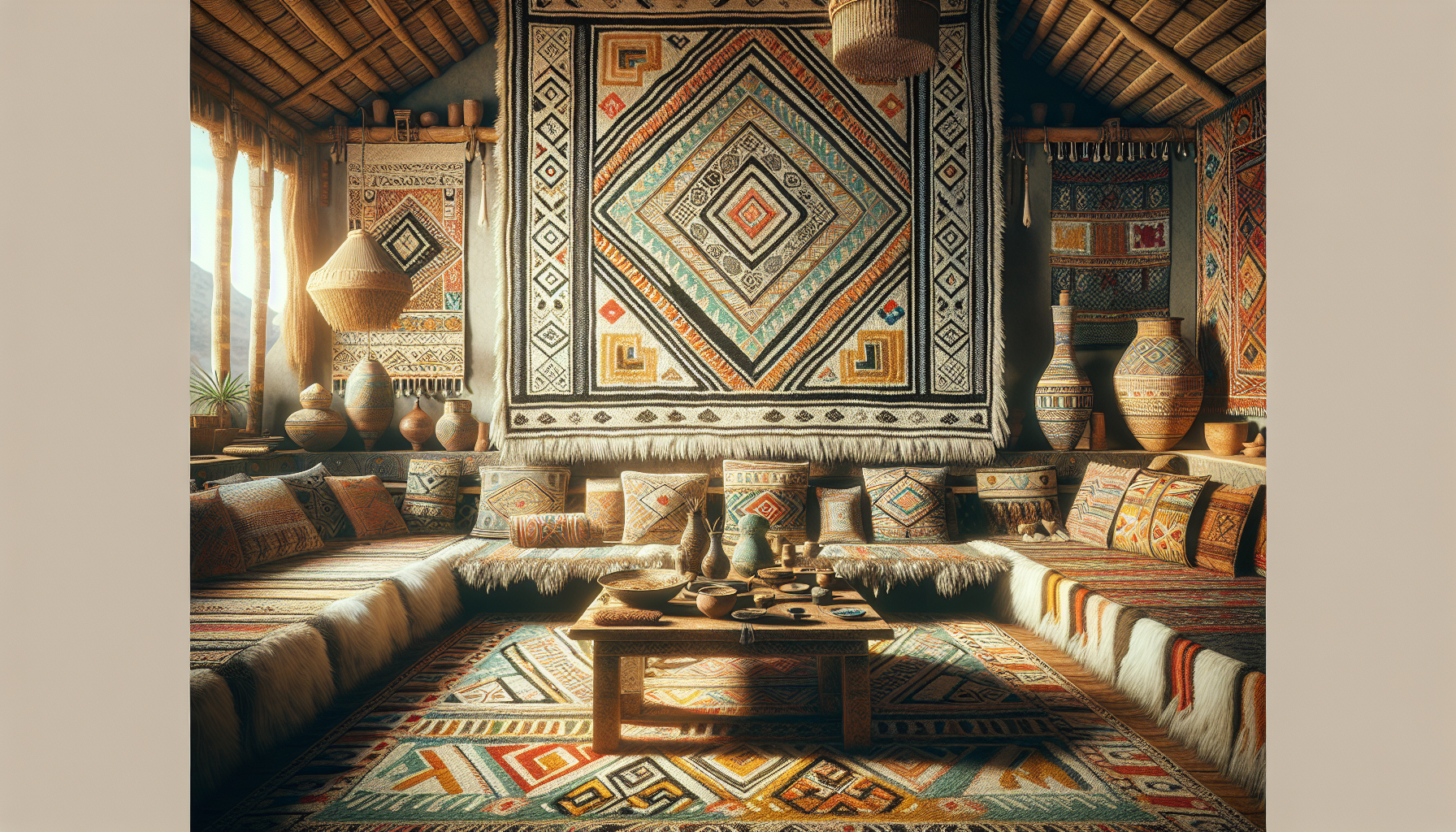
The Amazigh people, indigenous to North Africa, pride themselves on their deep cultural roots, with weaving being a significant aspect of their artistic expression. As far back as ancient times, weaving has been a means of storytelling, where each design represented the experiences and beliefs of its maker. Traditionally, women are the weavers, using a horizontal loom to create intricate patterns that reflect the landscapes, flora, and fauna surrounding them.
The atlas mountains textile tradition is particularly renowned for its geometric motifs, often inspired by the breathtaking surroundings. You might find motifs that resemble mountain peaks, flowing rivers, and even life-giving plants, all woven together to not only beautify a living space but also to convey a connection to the earth. These rugs become a canvas for expressing the weaver’s identity, history, and spiritual beliefs.
The amazigh rug is more than a carpet; it’s a tapestry of life, woven from the stories of those who came before.
Understanding the Patterns
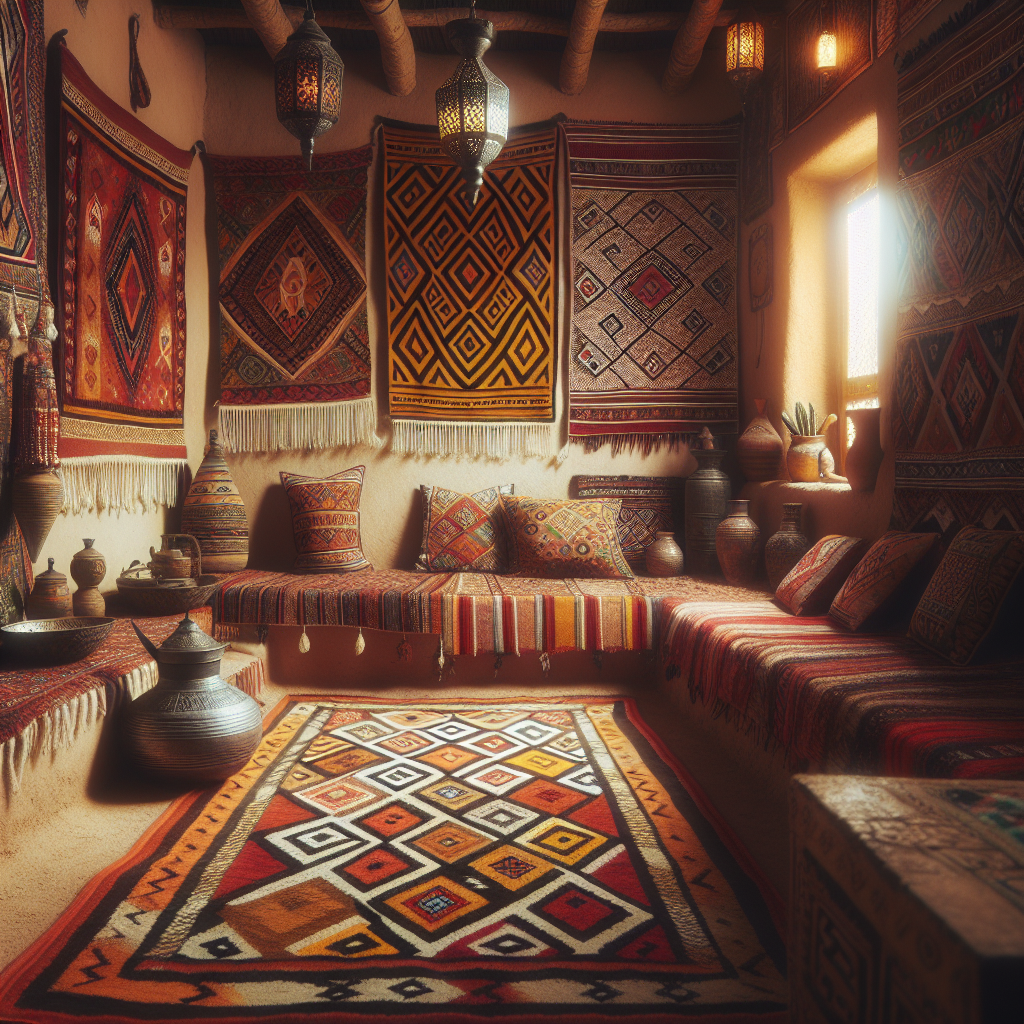
One of the most captivating aspects of amazigh rugs is their geometric patterns. Each design element holds significant meaning. For instance, zigzag lines might symbolize fertility and growth, while diamond shapes may represent protection and balance. If you’re searching for something meaningful to adorn your space, consider how these patterns can resonate with your own life.
Not only do these patterns hold cultural significance, but they also create a unique aesthetic that can complement various styles of interior design, from minimalist to bohemian. Imagine a stunning berber carpet that adds warmth and texture to your living room or a beautifully crafted amazigh rug enhancing the coziness of your bedroom retreat.
Amazigh Rugs in Modern Homes
Bringing an amazigh rug into your home goes beyond aesthetics; it’s an invitation to celebrate a rich cultural heritage. As more people learn about these textiles, they are becoming sought-after items for anyone looking to inject a bit of tribal charm and authenticity into their space. Consider incorporating one in your decor to make a bold, artistic statement.
For those who dream of enhancing their living environment, a handmade tribal area rug can be a perfect addition that not only offers warmth underfoot but also sparks conversation—perfect for entertaining friends or simply enjoying a morning coffee in peace.
Where to Find Authentic Amazigh Rugs
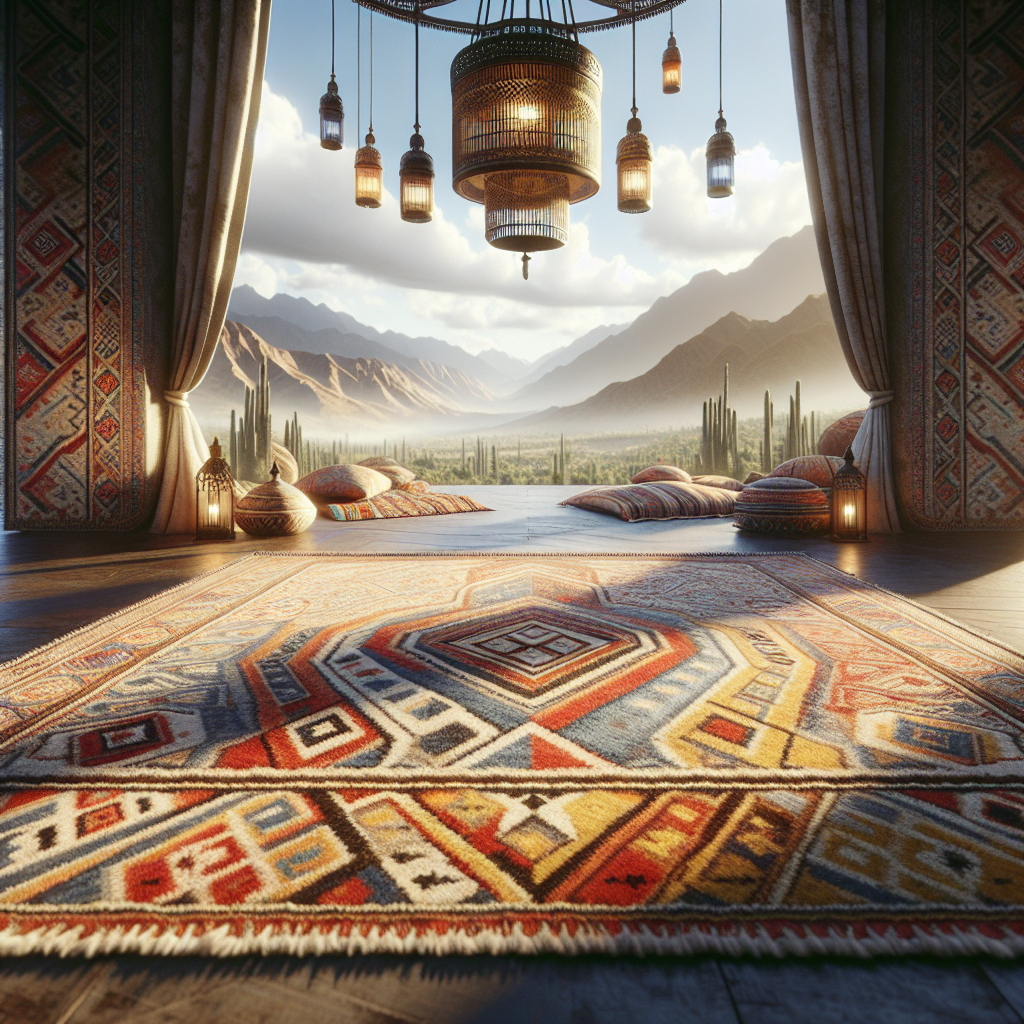
If you’re captivated by the beauty of these Moroccan tribal rugs and want to add one to your collection, traditional souks (markets) are treasure troves of amazigh textiles. Cities like Marrakech and Fes are renowned for their vibrant markets, where skilled artisans proudly showcase their handcrafted pieces.
However, if you can’t make it to Morocco, online options allow you to bring a piece of the Atlas Mountains into your home. Many websites specialize in authentic Moroccan textiles, ensuring you’re getting a genuine piece of art. Be sure to do your research and choose reputable sellers that support traditional artisans.
For a more contemporary take on tribal aesthetics, why not explore a tribal pattern cushion cover set? These can beautifully complement your amazigh rug, tying your decor together harmoniously and adding layers of texture to your living space.
Care and Maintenance of Amazigh Rugs
Once you welcome an amazigh rug into your home, it’s essential to care for it to ensure its longevity. These rugs are typically made of natural fibers, which means they can be sensitive to dirt and stains. Regular vacuuming, using a nozzle brush attachment, will help to remove dirt without damaging the fibers. If you ever spill something on your rug, gently blot the stain with a soft cloth and mild detergent, avoiding harsh chemicals that may affect the dyes.
To maintain their vibrancy and texture, these rugs can be taken outside to be refreshed in the sun for a few hours, which helps remove any accumulated moisture and odors. If you’re considering adding an amazigh rug to your home, it’s good to know they’ll require some love and care, ensuring they remain as stunning as they were the day you brought them home.
Final Thoughts
Amazigh rugs and textiles are much more than mere decorations; they embody a tradition rich in narrative and culture. Their geometric patterns and vibrant colors draw us into the fascinating world of the Amazigh heritage, inviting us to celebrate and honor their artistry in our home decor. When you choose an amazigh rug, you’re not just selecting a piece of art; you’re investing in a story that carries promises of beauty, warmth, and history. So, whether you’re on the hunt for a spectacular carpet or simply wish to learn more about these marvelous creations, remember that every thread is a glimpse into a culture full of life and love. Explore the magic of these textiles today!
Affiliate links on this website may generate a small commission at no extra cost to you. This support helps sustain a project dedicated to the beauty and cultural understanding of tribal art.