
Tribal Body Paint for Celebrations: Traditions from Around the World
El arte tribal de la pintura corporal es una expresión vibrante de identidad y cultura. En este artículo, exploraremos cómo estas coloridas decoraciones cuentan historias profundas y celebran tradiciones alrededor del mundo.
Finding Significance in Every Stroke
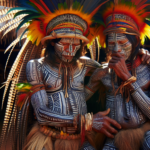
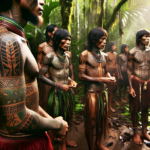
Tribal body paint holds significant meaning in many cultures, often tied to festivals, rites of passage, or other important life events. For instance, in the African Maasai community, warriors adorn themselves with intricate patterns of red ochre, which is not only a symbol of bravery but also signifies their status within the tribe. Each design has a story, an ancestry that links the individual to their heritage. The same can be seen in the aboriginal cultures of Australia, where body painting is part of ceremonies that celebrate connection to the land and ancestral spirits.
Across the Pacific Islands, particularly in Fiji and Samoa, ceremonial body paint is widely used during celebrations such as weddings and communal feasts. The colors and designs vary, reflecting the specific traditions of each village. These practices create a sense of community and unity, showcasing the collective identity of the people. When you witness these celebrations, it’s not merely an aesthetic experience; you’re looking at centuries of tradition brought to life.
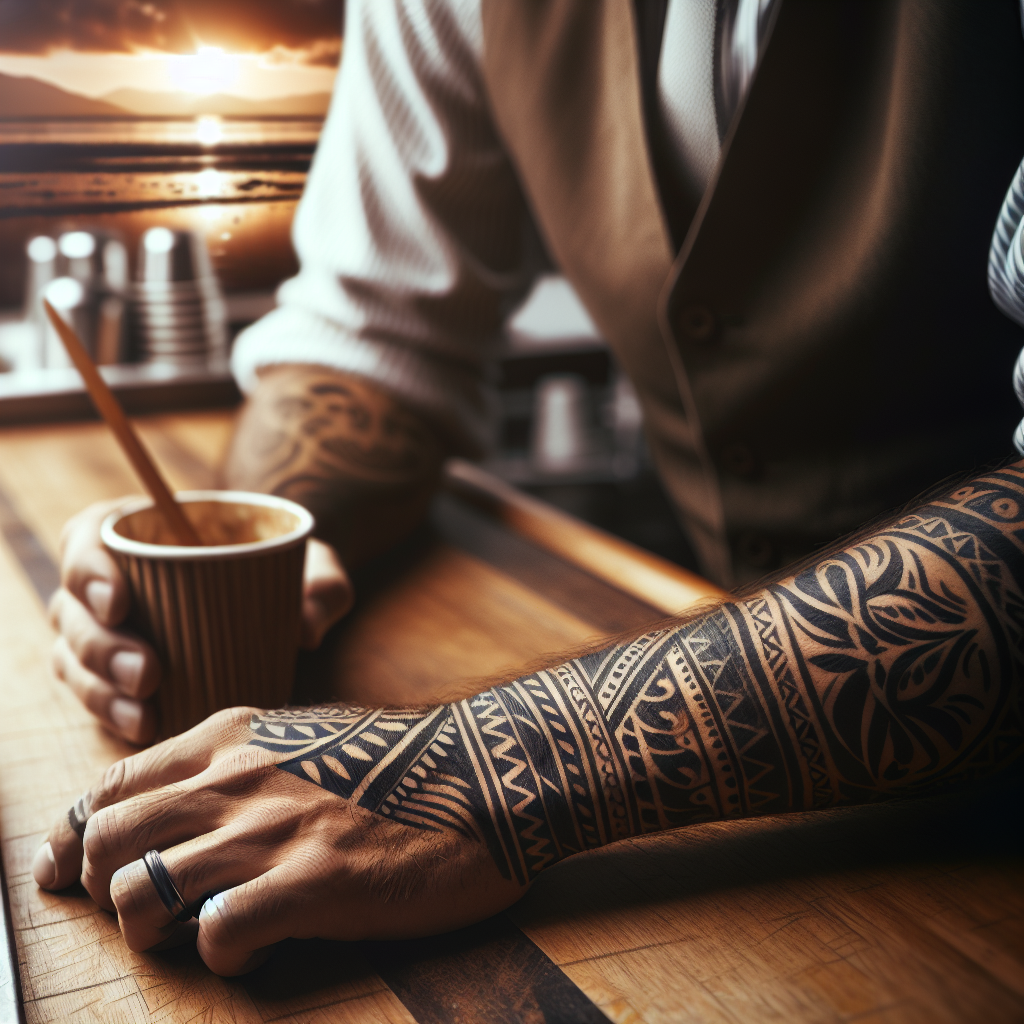
The Art of Celebration Body Art
What’s truly captivating about celebration body art is how it transcends geographic boundaries while maintaining unique local flair. In India, for example, ceremonial body paint comes alive during festivals like Holi, where people cover each other in vibrant powders and paints, celebrating love, spring, and new beginnings. Moreover, mehndi art — a form of intricate henna body painting — is extensively used in weddings. If you’re keen to try your hand at henna, consider a Complete Henna Kit for Beginners to get started on your own body art journey.
Similarly, Native American tribes also embrace body painting during sacred ceremonies and communal gatherings. The paint is symbolic, with colors representing elements of nature or spiritual beliefs. The act of painting oneself is often coupled with chants and dances, enhancing the connection to their ancestral roots. The result is an uplifting experience that not only celebrates individual achievements but also honors the broader community.
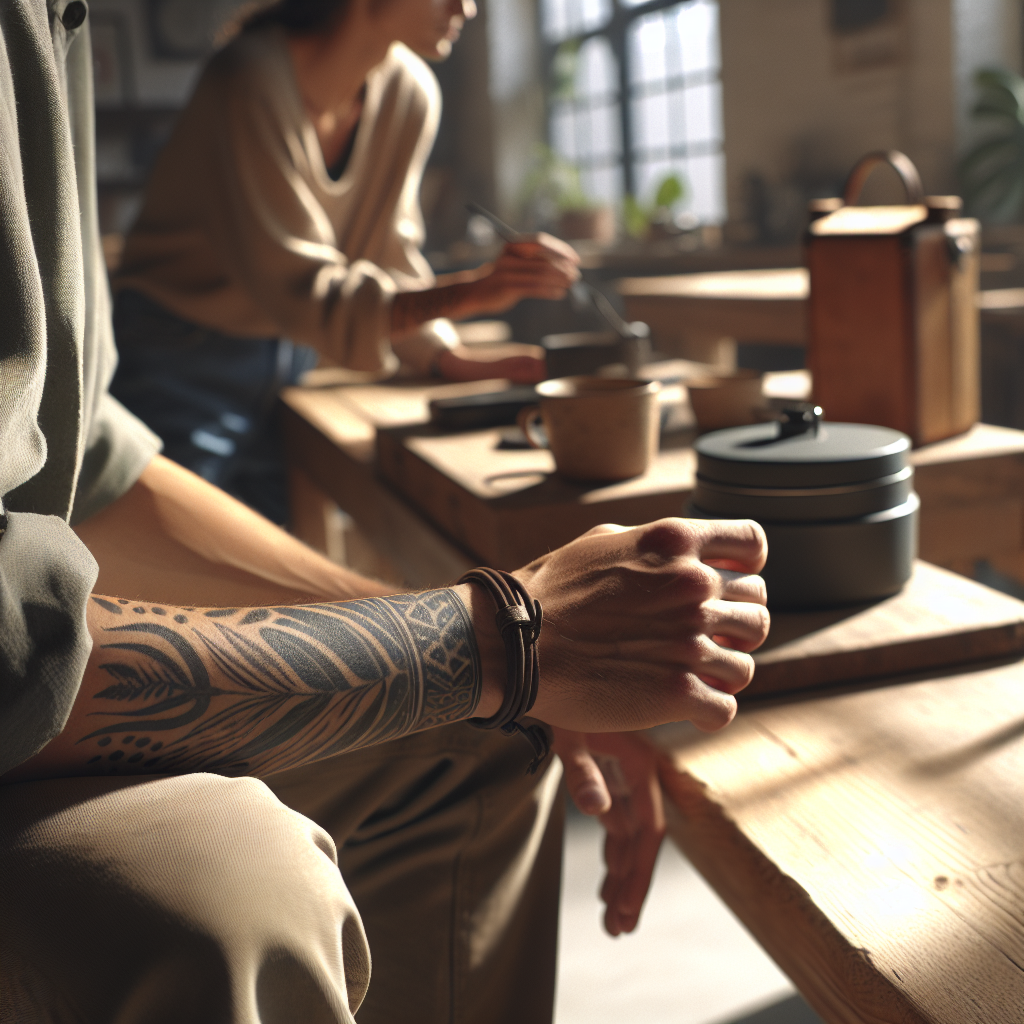
Connecting Cultures with Cultural Body Painting
Cultural body painting is more than just an aesthetic choice; it’s a canvas for storytelling and an instrument of preserving cultural legacies. For those fascinated by the art of body paint, exploring the diverse designs from different cultures can be a rewarding experience. Books like the Tribal Henna Patterns Book introduce you to beautiful designs and patterns that you can recreate or draw inspiration from in your personal body art journey.
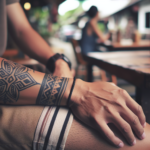
Making body art your own is not limited to paint or henna — consider the modern twist of temporary tattoos. With these versatile options, you can experiment with designs that honor various tribal aesthetics without the commitment. If you’re curious about creating your own designs, the Temporary Tattoo Transfer Paper is a fantastic resource for artists looking to explore themes derived from tribal motifs.
Every stroke of tribal body paint weaves a narrative, connecting the artist to their culture and heritage.
Understanding the Evolving Traditions
While many tribal body paint traditions remain rooted in their original cultural contexts, modern influences are reshaping how these practices are perceived and celebrated. Today, awareness of native practices and respect towards cultural authenticity are at the forefront of many artists’ minds. Collaborations between traditional artists and modern performers have introduced new dynamics to the art of body painting. However, it is essential to approach these practices with respect and understanding, appreciating the communities’ histories and narratives without appropriation.
Traveling to regions where tribal body paint is celebrated can be a profound experience. Whether attending the Rio Carnival in Brazil, where body paint is an eye-catching attraction, or joining the colorful rituals in the Torres Strait Islands, you will find that these experiences offer a unique connection to the local cultures. Participating in or observing these traditions grants an opportunity to engage with the stories that these colorful expressions tell about identity, resistance, and resilience.
The Bigger Picture
As we’ve explored, tribal body paint symbolizes much more than simple decoration; it’s rooted in culture, history, and identity. Celebratory body art allows communities to honor their ancestors, build connections, and express their creativity. By immersing yourself in these traditions, whether through travel, artistic endeavors, or education, you’ll find a deeper appreciation for the rich tapestry of humanity’s diverse cultures.
So, why not take some time to explore these beautiful traditions? Whether you’re inspired to create your own body art at home or travel to witness these celebrations firsthand, there is a whole world of color waiting for you. Dive into the rich narratives hidden within tribal body paint and celebrate the beauty of cultural expression!
Affiliate links on this website may generate a small commission at no extra cost to you. This support helps sustain a project dedicated to the beauty and cultural understanding of tribal art.