The Amazigh People of North Africa: Identity Resistance and Culture
Imagine standing atop the rugged Atlas Mountains, where the sun casts a golden glow over ancient villages nestled between towering peaks. As the wind whispers tales of old, you become aware of the rich heritage of the Amazigh people, North Africa’s indigenous guardians of culture and tradition. Their story is one of resilience and identity that has thrived for centuries, despite the many challenges they’ve faced throughout history. Today, let’s dive into the fascinating world of the Amazigh people, exploring their culture, traditions, and how they continue to persevere in a rapidly changing landscape.
A Brief Journey into Amazigh History
Who are the Amazigh? Often referred to as Berbers, they inhabit the regions of Morocco, Algeria, Tunisia, Libya, and parts of Mali and Niger. The term “Amazigh” means “free people” and reflects their enduring spirit. Although their presence in North Africa dates back thousands of years, the Amazigh have faced invasions and colonization that sought to erase their identity. From the Roman conquests to French colonialism, their vibrant culture has often been overshadowed—but never extinguished.
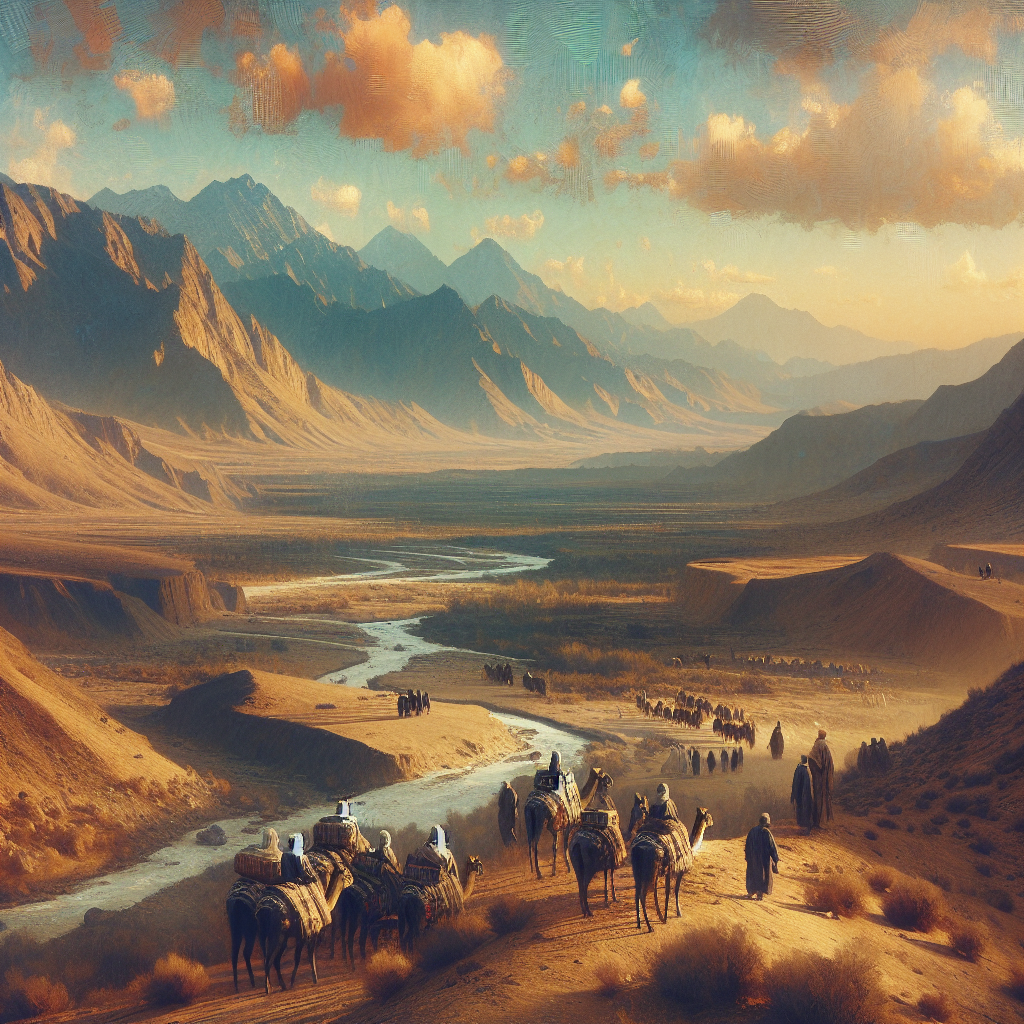
One of the most compelling aspects of Amazon histories is their profound connection to the land. The Berber people have a longstanding relationship with the mountainous landscapes and desert expanses they call home. They use natural elements in everything from their architecture to their artistic expressions, mirroring the resilience of their identity with the landscapes around them. For those keen to explore such connections, I highly recommend the Tribal Cultures of the World Book, which offers incredible insights into how indigenous peoples connect with their environments.
The Amazigh Language and Identity
The Amazigh language is a vital part of their identity, a tapestry of words rich in history. While Arabic predominates the official languages in many North African nations, Tamazight has made significant strides toward recognition in recent years. Their script, Tifinagh, dates back to ancient times and serves as a symbol of cultural pride. Learning the Amazigh language could be a gateway for you to a deeper understanding of their traditions, fostering connections that transcend borders.
It’s remarkable how, despite centuries of oppression, the Amazigh people have maintained and revived their language and cultural practices. Festivals like Yennayer, which celebrates the Amazigh New Year, and various regional celebrations showcase traditional music, dance, and storytelling. These gatherings are a celebration of survival, pride, and unity, attracting not just members of the community but tourists eager to learn about this rich culture. For further exploration into the vibrant tapestry of African tribal culture, consider picking up the African Tribal Culture Book, which delves into diverse traditions across the continent.
Amazigh Traditions: A Tapestry of Beliefs and Practices
When you step into an Amazigh home, the atmosphere oozes warmth, hospitality, and tradition. One of their most cherished customs is the practice of communal meals, often prepared with locally sourced ingredients such as couscous, tagine, and aromatic spices. Food isn’t just nourishment; it’s a way of connecting with family, friends, and the land. Traditional Amazigh weddings are equally vibrant affairs, filled with unique rituals that can vary from region to region. They incorporate music, dance, and intricate attire, showcasing the richness of Amazigh identity.
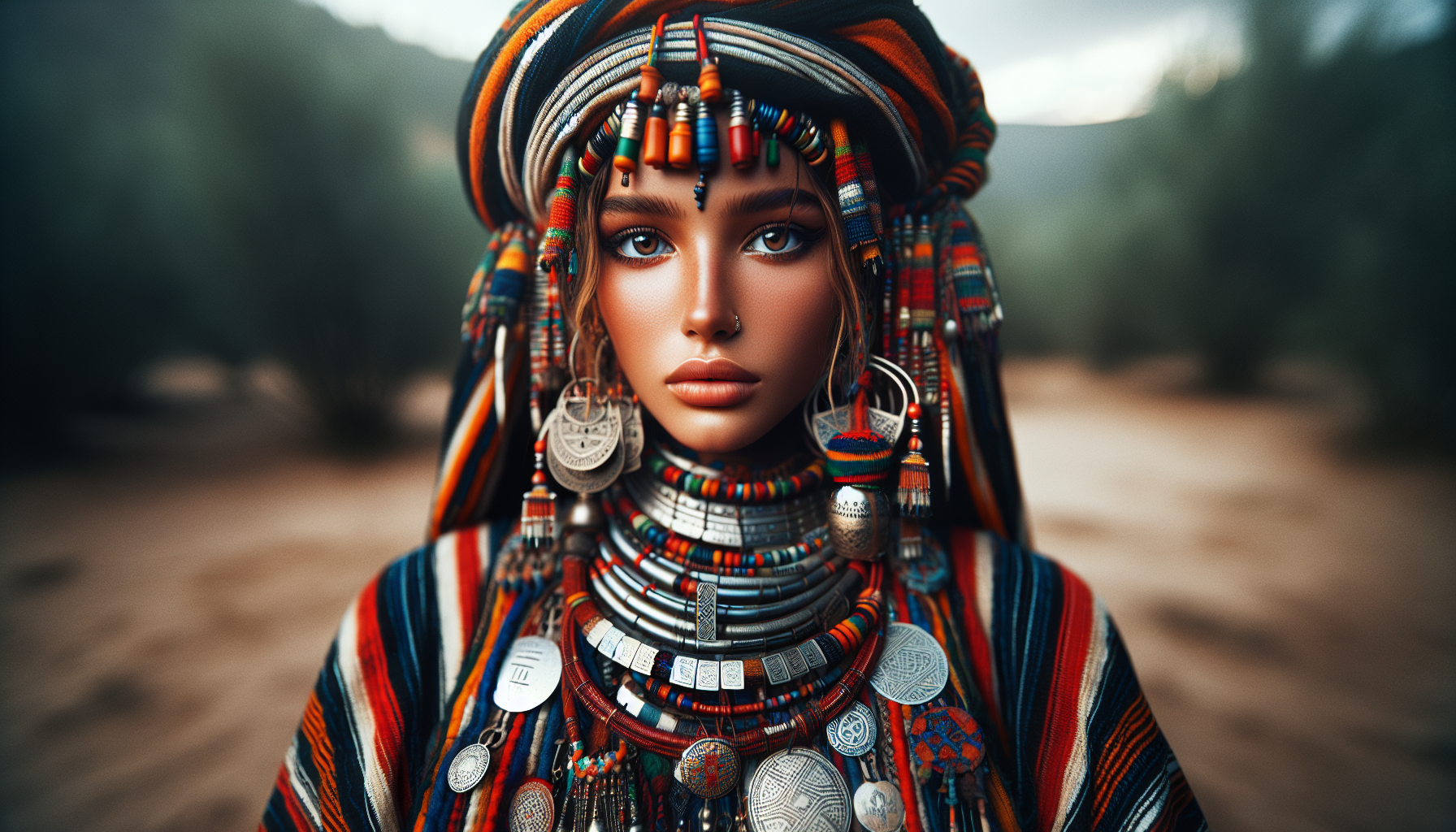
Craftsmanship is also vital among the Amazigh people, with textiles and jewelry that tell stories of ancestry and region. Handwoven rugs, beautifully intricate in design, convey tales passed down through generations, while jewelry often features symbols of protection and fertility, displaying a deep connection to their beliefs and ancestors. If you want a tactile experience of the Amazigh culture and art, consider visiting local markets or galleries, where these treasures can be found — a trip that could enhance your understanding and appreciation of their heritage.
The Amazigh people embody resilience, artistry, and a profound connection to their ancestral lands, weaving their identity into the very essence of North Africa.
Amazigh Music: The Rhythm of Resistance
No exploration of Amazigh culture would be complete without acknowledging the power of their music. Traditionally played during celebrations, gatherings, and festivals, Amazigh music is a powerful form of storytelling, allowing generations to connect through rhythm and song. Instruments such as the guembri and rebab bring life to songs that recount historical battles, love stories, and everyday life in the stark beauty of the North African landscape.
Musicians like the late Idir have brought the traditional sounds of the Amazigh to a global audience, blending them with modern influences while remaining true to their cultural roots. Music festivals in Morocco, such as the Timitar Festival in Agadir, highlight the diversity of Amazigh music, showcasing both traditional and contemporary artists. Attending one of these festivals can be a transformative experience, allowing you to appreciate the cultural resilience of the Amazigh people firsthand.
Identity and Political Landscape
In recent years, the Amazigh people have become increasingly vocal in their fight for cultural recognition and rights within their respective nations. Movements to gain official status for their language and directly address historical grievances have gained momentum. Protests advocating for Amazigh rights have highlighted the complexities of identity in modern North Africa. This desire for recognition is not just about preserving an ancient culture; it’s about asserting a voice in contemporary society.
Despite ongoing challenges, the movement for Amazigh identity thrives thanks to dedicated activists and artists leading the charge. This collective resilience is an inspiration, showing that cultural identity is an ever-evolving tapestry that can adapt and survive, regardless of external pressures. For readers interested in learning more about the broader themes of tribal cultures across the world, be sure to check out the Polynesian Culture and History Book that masterfully presents the dynamics between identity and culture in various indigenous settings.
The fight for Amazigh recognition is not merely a cultural pursuit; it’s a declaration of existence and a celebration of humanity’s diversity.
Final Thoughts
As we wrap up this journey through the rich tapestry of Amazigh culture, one thing becomes clear: the Amazigh people’s story is one of enduring identity, profound connection to their land, and relentless resistance against cultural erasure. Their music, art, traditions, and continuing fight for recognition are not just isolated narratives; they weave into the larger fabric of human history, reminding us of the importance of acknowledging and celebrating cultural diversity worldwide.
So why not plan a trip to North Africa and experience this incredible culture firsthand? Walk through the ancient streets of Marrakech, taste the traditional dishes that burst with flavor, and perhaps even join in the songs of the Amazigh festivals. And as you do, carry with you the stories of the Amazigh people—their identity a potent reminder of how culture can inspire, uplift, and transform. Ready to dive deeper into the fascinating world of tribal and cultural art? Don’t miss out on the enriching experience that awaits you on this beautiful journey.
Affiliate links on this website may generate a small commission at no extra cost to you. This support helps sustain a project dedicated to the beauty and cultural understanding of tribal art.