The Ndebele of Southern Africa: Masters of Geometric Art and Color
Have you ever found yourself mesmerized by vibrant colors and intricate patterns, wondering about the stories behind these masterpieces? If so, let me introduce you to the Ndebele culture, a captivating tribe from Southern Africa renowned for their striking geometric art. This unique artistic expression is not just a visual feast; it embodies a rich cultural heritage that speaks volumes about the identity, history, and traditions of one of Southern Africa’s most spirited and resilient communities.
The Vibrant World of Ndebele Art
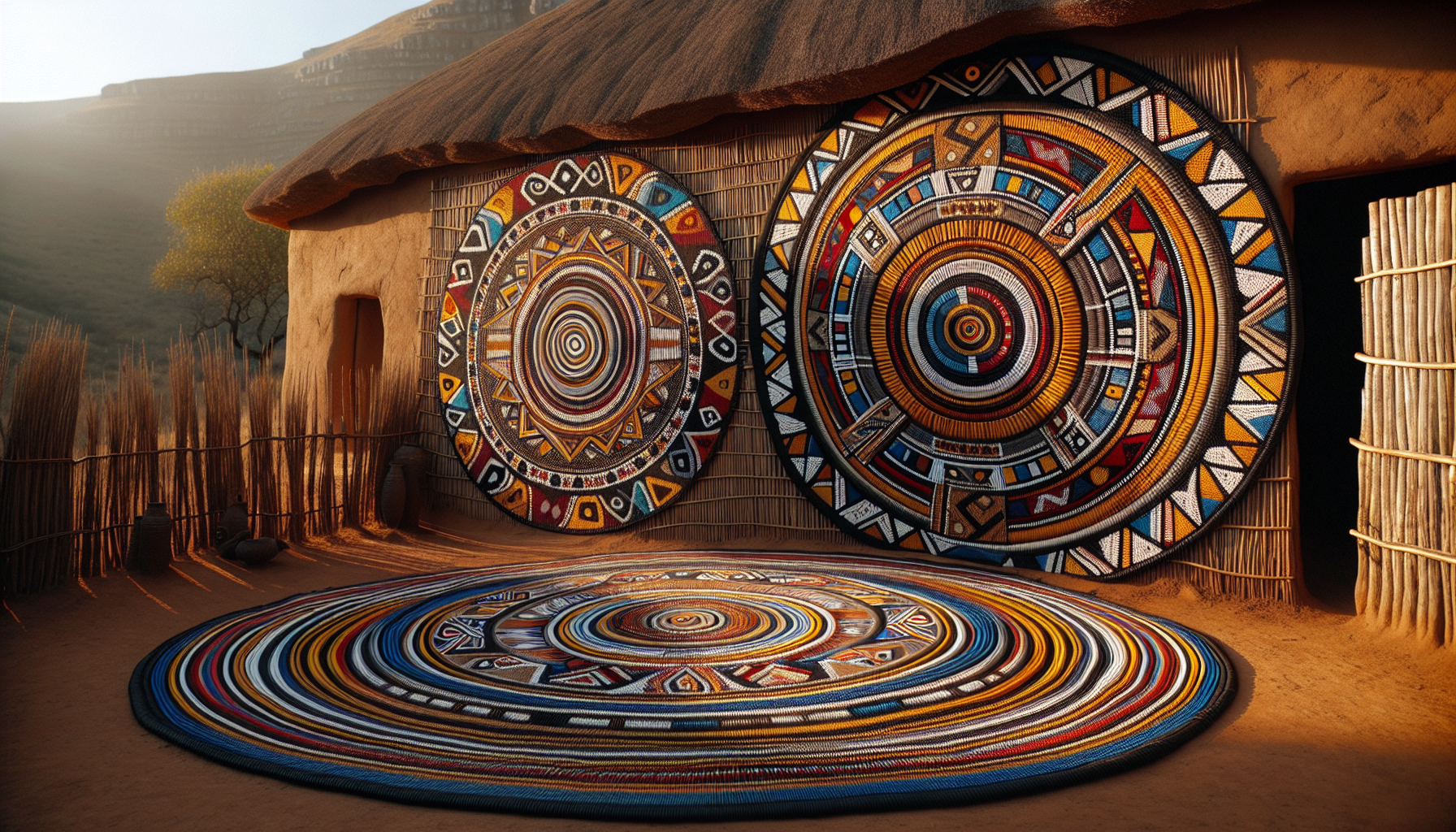
Ndebele art is synonymous with color and geometry, often characterized by bold, geometric patterns that adorn their homes, clothing, and even beadwork. You might be surprised to learn that these designs are not solely aesthetic; they carry significant meaning and are deeply intertwined with the Ndebele way of life. The art is a reflection of individual and communal identities, as well as a medium for storytelling and expression. Artists use a palette that includes bright yellows, reds, blues, and greens, which come alive in the landscapes of Ndebele territories, found mainly in South Africa and Zimbabwe.
The Ndebele have an extraordinary ability to transform simple shapes into profound expressions of culture and identity.
If you ever have the chance to visit the vibrant villages, you’ll quickly understand why creativity bursts forth in these towns. Ndebele homes are painted with elaborate geometric designs that often hold socio-political significance, telling stories of the family that resides within. Women especially take pride in decorating their houses, which they do during the rainy season when conditions are best for painting. This practice of home decoration is more than mere aesthetics; it celebrates heritage and serves as a form of social communication.
The Cultural Significance of Ndebele Patterns
Your fascination with Ndebele art would be incomplete without acknowledging the underlying meanings behind the patterns. Each shape and color tells a story that blends personal history with collective memory. For instance, the triangles may symbolize the relationship between a wife and her in-laws, while the vibrant strips of color can signify different family stages or rites of passage. You can find detailed insights on tribal cultures and their expressive art forms in books like the Tribal Cultures of the World Book or the African Tribal Culture Book, both of which delve deeper into how art encapsulates the essence of their communities.
The Ndebele art style also serves as a mode of resistance and resilience. Historically, the Ndebele faced oppression, especially during apartheid in South Africa. Instead of being defeated, they embraced their culture through art as a tool of empowerment. The geometric designs we see today were initially influenced by the traditional beadwork, creating a seamless link between the past and present Ndebele identity. Just as their ancestors used art to communicate, modern-day Ndebele continue to incorporate these timeless expressions in daily life, proving the profound idea that creativity indeed breathes life.
Traditional Ndebele Dress and Adornment
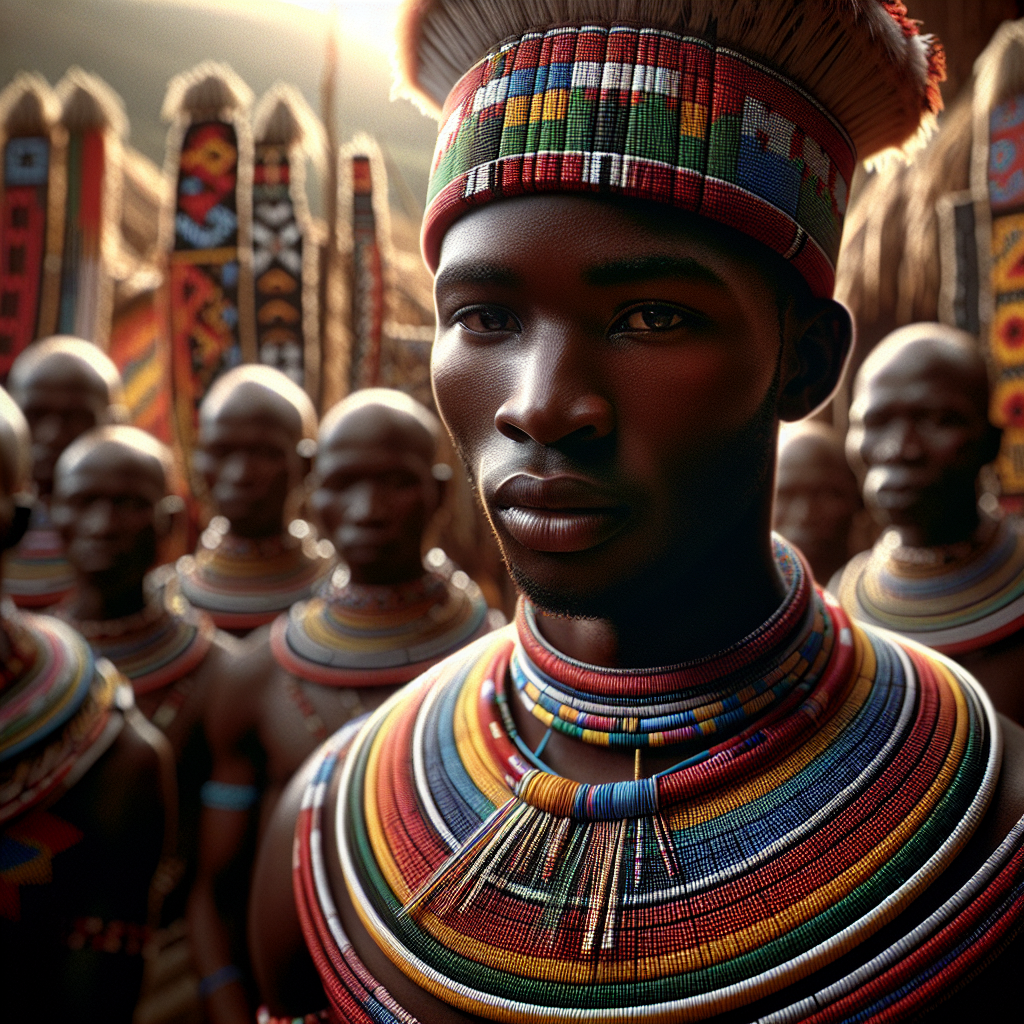
The Ndebele culture is not only about homes and community but also extends to the vibrant attire and adornments of its people. Traditionally, Ndebele women wear intricate beaded jewelry, which is as much about beauty as it is about status. Necklaces, bracelets, and anklets are artistically crafted and often passed down through generations. Color and bead patterns often reflect the life stages of the wearer, with the intricacy and vibrancy of the jewelry signifying the owner’s wealth and marital status.
Though Ndebele men also partake in traditional dress, it is the women whose attire often becomes a visual centerpiece during communal gatherings. Their colorful outfits, primarily made of fabric adorned with similar geometric designs as their homes, create an aesthetic that is inherently tied to their identity. If you’re intrigued by this unique aspect of Ndebele culture, you might find a wealth of knowledge in the Polynesian Culture and History Book, which explores cultural adornments across different tribes, offering a larger perspective on the expressive nature of traditional attire.
The beauty of Ndebele art and fashion lies in their ability to serve as a bridge between generations.
The Role of Rituals and Festivals in Ndebele Culture
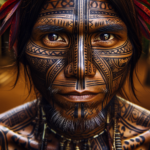
No exploration of Ndebele culture would be complete without discussing its vibrant festivals and ceremonies. These events are vital for preserving customs and traditions. For instance, the Ndebele’s traditional initiation ceremonies are monumental, marking the transition from childhood to adulthood. During these rites, music, dance, and storytelling unite the community, reinforcing the bonds of family and culture while providing an opportunity for art to flourish. It’s during these gatherings that you can see the geometric designs come alive, whether through painted faces, intricate beadwork, or the manner in which participants dress.
Such celebrations are not done in isolation. They unite both the living and those who came before them, paying homage to ancestors. You could easily draw parallels to Native American traditions, which also value the connection to heritage and community through ceremony, making books like the Native American Tribal Culture Book invaluable for understanding similar themes across various cultures.
Exploring Modern Ndebele Art: A Fusion of Tradition and Innovation
While preserving their traditions, contemporary Ndebele artists are also pushing boundaries. Today, some artists creatively blend traditional styles with modern techniques, using new mediums such as digital platforms to reach broader audiences. This fusion enhances the visibility of Ndebele culture, allowing it to evolve while remaining rooted in its rich history. You’ll often find exhibitions showcasing this blend, where artists reimagine traditional designs not only on canvases but also in fashion and interior design. The cultural exchange happening here is both exciting and inspirational, demonstrating that art is indeed an ever-evolving form of expression.
Visitors traveling to South Africa can easily explore these modern artistic endeavors through various art galleries and festivals in cities like Johannesburg and Pretoria. Local markets also offer a treasure trove of Ndebele-inspired art and handicrafts, making it easy for you to bring a piece of this spectacular culture back home. It’s an exciting journey that connects you with Ndebele artists who are fiercely passionate about sharing their heritage.
Final Thoughts
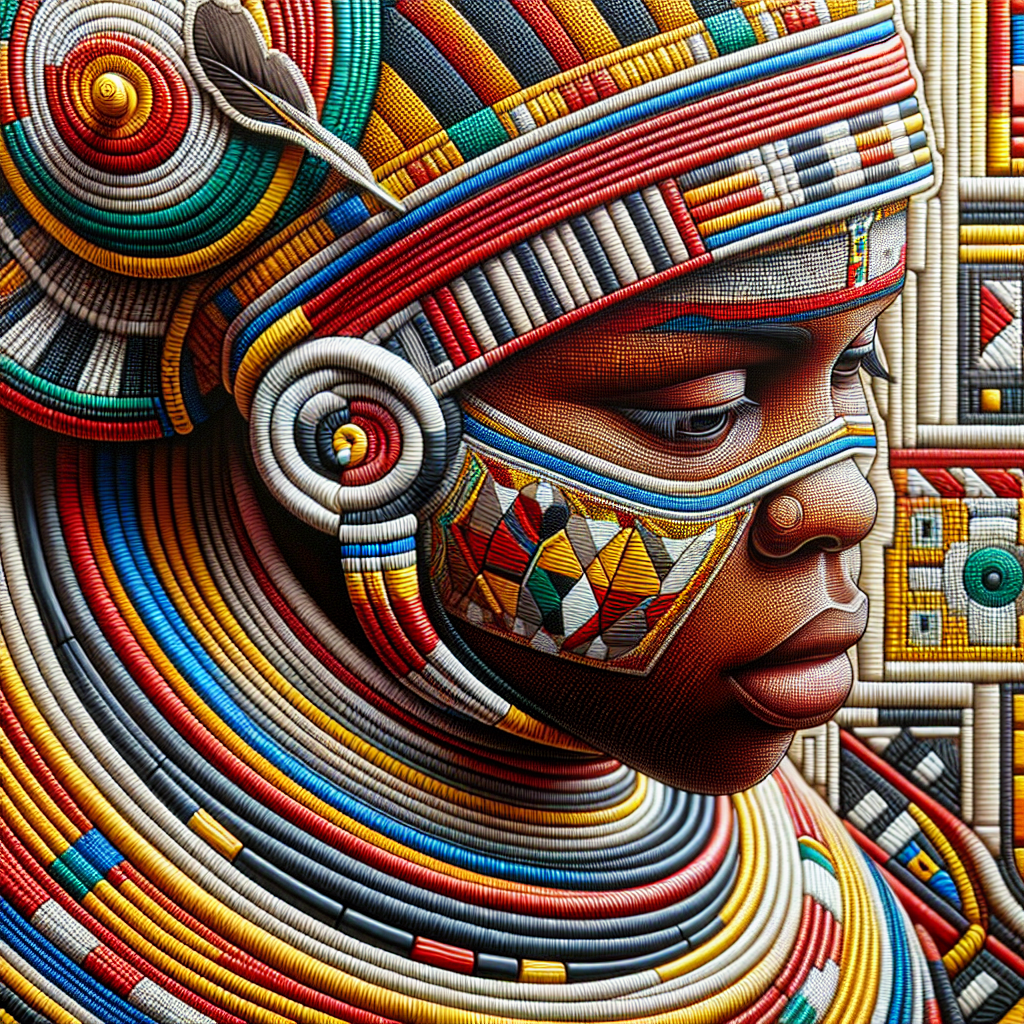
As you wrap up your journey through Ndebele culture, keep in mind that this vibrant tribe from Southern Africa offers not just incredible art but also a wellspring of warmth and resilience. Their commitment to preserving their heritage through colorful geometric designs is a testimony to their identity and community spirit. Whether it’s the stories told through their art, the intricate patterns seen on their clothing, or the joyous celebrations of life, every aspect of Ndebele culture invites you to appreciate the beauty of diversity in our world.
So the next time you encounter a bold geometric pattern or a vibrant piece of art, think of the legacy it represents. If you find yourself wanting to dive deeper into tribal art and culture, check out the suggested books to broaden your understanding and appreciation of these artistic forms. The world is filled with stories waiting to be told, and you just might find inspiration in the most unexpected places.
Affiliate links on this website may generate a small commission at no extra cost to you. This support helps sustain a project dedicated to the beauty and cultural understanding of tribal art.