Fang Ngontang Helmet Masks: The Four-Faced Guardian Spirits of Gabon
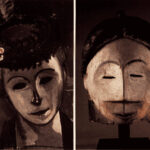
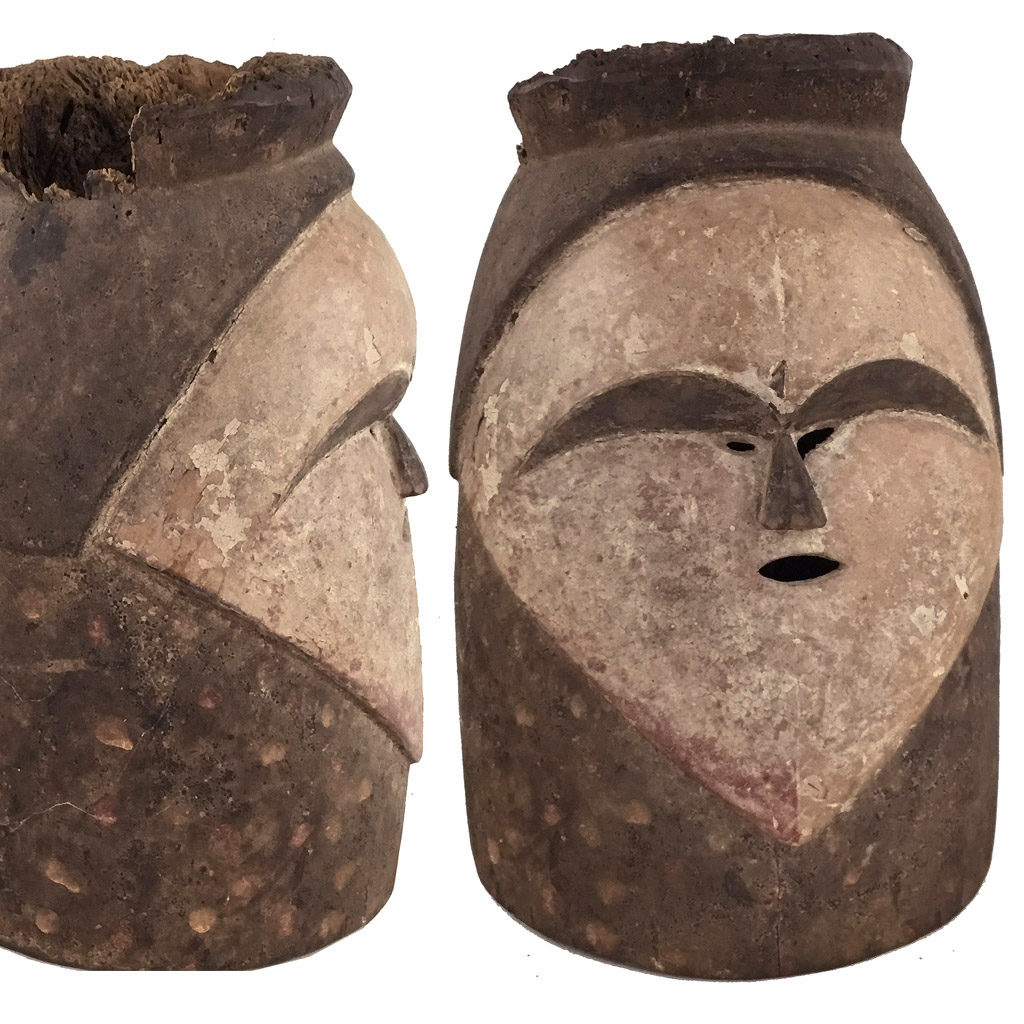
In the rich tapestry of Central African art, the Fang Ngontang helmet masks stand out as powerful representations of cultural identity and ancestral reverence. The image presented shows two views of a stunning Fang Ngontang mask from Gabon, characterized by its heart-shaped white face enhanced with kaolin pigment, set against a dark, spotted body. Such masks are not mere decorations; they embody the spirit world and are integral to the vibrant ceremonies of the Fang people. With their arched brow lines, small triangular noses, and pursed mouths, these masks are distinctive manifestations of the artistic and spiritual traditions that have persisted through generations.
About This Culture and Its Art
The Fang people, who primarily inhabit the southeast region of Gabon as well as parts of Cameroon and Equatorial Guinea, have a rich cultural heritage characterized by profound spiritual beliefs and a deep connection to their ancestors. Traditionally, the Fang thrive in a forested region, which shapes their way of life and artistic practices. The Fang believe in a complex system of spirits that govern both the natural and spiritual realms, leading to the creation of art that conveys messages of protection, guidance, and connection to the ancestors.
Fang art is primarily known for its striking mask and sculpture traditions, which are crafted from a variety of materials including wood and clay, often adorned with pigments and natural materials that illustrate their deep respect for nature. The masks, much like the Ngontang helmet mask, are celebrated for their abstract forms and symbolic representations, reflecting the cultural values and spiritual beliefs of the community. Masks play a crucial role in various ceremonies, encapsulating the essence of social values, ancestral tribute, and the unity of community.
Understanding This Piece
The Fang Ngontang helmet mask is not only an artistic object but also a ceremonial artifact that embodies protective female spirits, known as Ngontang. During dances and rituals, the mask is worn atop the head, transforming the wearer into a vessel for these spirits. This dramatic connection emphasizes the role of the masks in mediating between the physical and spiritual worlds, allowing the wearer to invoke the power of the spirits and foster communal ties during significant events.
Using these masks in rituals symbolizes a call for protection and favor from the spirits, thus fostering a strong spiritual bond within the Fang community. The four faces often depicted in such helmets are emblematic of various aspects of female strength and guidance, further representing the importance of women in maintaining societal harmony and spiritual balance. The ceremonial use of these masks underscores the intertwining of art and religious practices in Fang culture, inviting you to reflect on the richness of tradition that shapes their community identity.
Symbolism and Craft
The artistry behind the Fang Ngontang mask is significant not just for its aesthetic appeal, but also for the materials used and the meanings behind their design. The kaolin pigment on the mask, often symbolizing purity and spiritual connection, contrasts beautifully with the darker hues of the mask’s body. This interplay of colors embodies a holistic balance prevalent in Fang spiritual beliefs.
Crafted primarily from wood, the masks are meticulously shaped and painted, showcasing the skills and techniques passed down through generations. The shapes and lines found in the Ngontang masks adhere to specific stylistic elements common to the Fang, revealing a rich vocabulary of symbols—each bearing cultural significance. For instance, the arched brow line can be interpreted as an expression of vigilance, while the triangular nose represents a deep flora and fauna connection, encapsulating the environment’s influence on Fang artistic expression.
The masks serve as a bridge, connecting the living with the ancestral spirits, creating a sense of unity and understanding within the community.
Why It Matters Today
In the contemporary world, African art continues to receive recognition as a critical component of global cultural heritage. The importance of tribal art, such as the Fang Ngontang helmet masks, extends beyond cultural expression; they are vital for cultural preservation, education, and the appreciation of diverse artistic practices. More than ever, collectors, museums, and art enthusiasts are exploring the narratives encapsulated in such works, promoting awareness and respect for the traditions from which they originate.
Moreover, the revival and study of native art forms contribute to the resistance against cultural homogenization. By honoring artifacts like the Ngontang mask, we invite a broader audience to engage with African cultural expressions, fostering dialogue and understanding in our increasingly interconnected world. Recognizing the value of such artistic treasures makes space for the stories and histories they embody to thrive and inspire generations to come.
Embracing these pieces not only enriches our understanding of human creativity but also reinforces the significance of cultural heritage in defining our shared humanity.
Books & Resources You Might Enjoy
- Masterpieces of Primitive Art
- Tribal Art
- Oceanic Art (World of Art)
- Between Art and Anthropology (Contemporary Ethnographic Practice)
References & Further Reading
Image courtesy of: vanishingafricanart.com — vanishingafricanart.com
Affiliate links on this website may generate a small commission at no extra cost to you. This support helps sustain a project dedicated to the beauty and cultural understanding of tribal art.