Siberian Shamanic Cultures: Art Ritual and the Spirit World
Warli art tattoos beautifully encapsulate the essence of Siberian shamanic cultures. Imagine a realm where art and spirituality intertwine, revealing deep connections to nature and the spirit world.
A Glimpse into Siberian Tribal Culture
At the heart of Siberian shamanism lies a unique tribal culture that emphasizes a profound connection with nature and the spirit world. The region’s harsh environment has shaped its peoples’ resilience and creativity, resulting in artwork that tells stories of their connection with the earth. Rituals often include art as a vital part of the shamanic healing process, celebrating communal beliefs and traditions that have been passed down for generations.
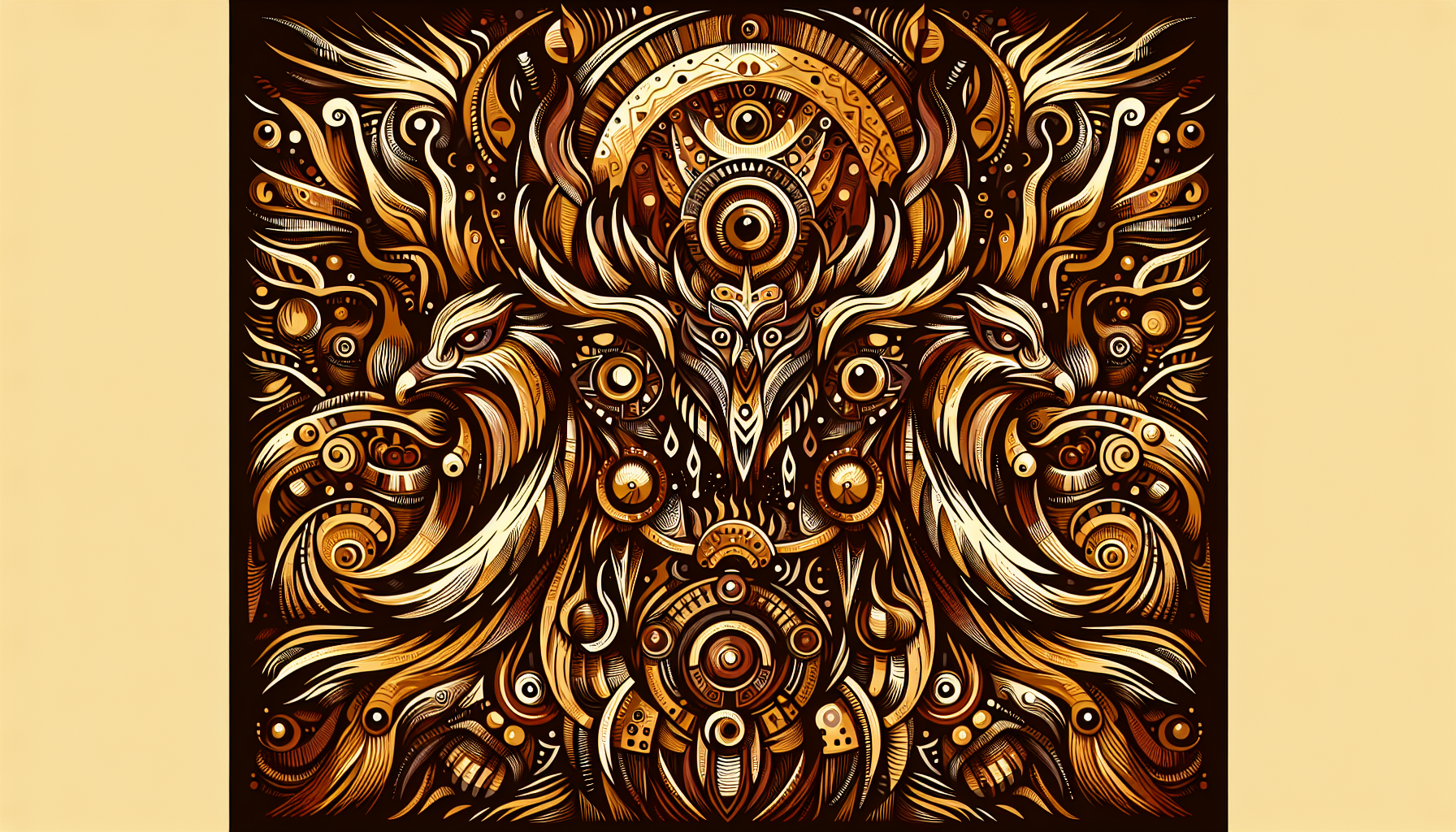
Take a moment to consider the stunning representations found on Siberian artifacts, from intricately designed drums to textiles dyed in bright colors. Each piece reflects not only the aesthetics of the time but also the spiritual beliefs intertwined with daily life. For those who wish to explore more about tribal cultures worldwide, consider checking out the Tribal Cultures of the World Book. It’s a fantastic read that offers insights into similar traditions globally and how they parallel Siberian practices.
The Role of Art in Shamanic Rituals
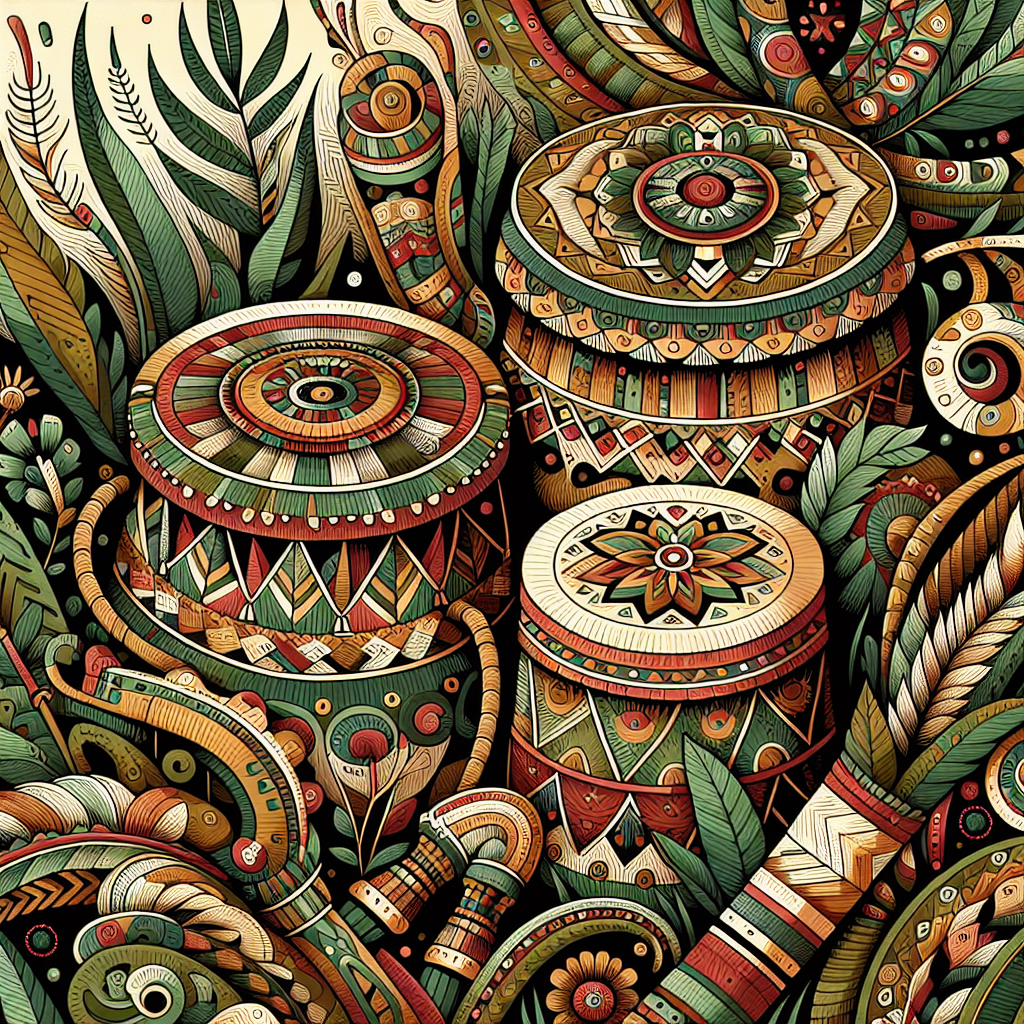
Art in Siberian shamanism is so much more than aesthetic value; it operates as a crucial element in rituals that connect practitioners with the spirit world. Shamans often use drums, masks, and other symbolic objects that are imbued with spiritual significance. For example, ceremonial drums create rhythmic echoes that are believed to transport the shaman into altered states of consciousness, allowing them to navigate between the realms of the living and the dead.
The artistry of these instruments and objects is often modeled after animals, spirits, or natural elements significant to the specific tribe’s beliefs. The art encapsulates not only beauty but also serves as a sacred tool for communion with the other side. It’s not uncommon for a shaman to have a drum that represents their personal spiritual guide, lovingly crafted to honor that bond. If you’re interested in learning more about how art plays a role in traditional cultures globally, I recommend picking up the Polynesian Culture and History Book, which explores similar uses of art in rituals.
“In Siberian shamanism, art is not merely decoration; it is a gateway to the spirit world.”
Exploring Tuvan Culture Through Shamanism
At the center of Siberian shamanism, the Tuvan people stand out for their profound connection to the land and their spiritual beliefs. Nestled in the rugged mountains of southern Siberia, Tuva is known for its throat singing, a unique vocal technique that mirrors the echoes of the landscapes they inhabit. This rich cultural heritage resonates profoundly with their shamanic traditions, where music and art blend seamlessly into healing practices.
The Tuvan shaman, often called a “khöömei,” employs various techniques to communicate with spirits and ancestors. Rituals are accompanied by elaborate visual displays of body paint or intricately decorated costumes that represent the shaman’s authority and relationship with spirit guides. As these shamans perform, they evoke a sense of unity between people and their environment—a central tenet of Tuvan beliefs.
If this piques your interest in exploring tribal cultures and how they shape artistic expression, I suggest you browse through the Native American Tribal Culture Book. It offers a wonderful perspective on how similar practices manifest across different cultures, adding to your understanding of this rich textural tapestry of shamanic traditions.
Healing Practices: The Intersection of Art and Medicine
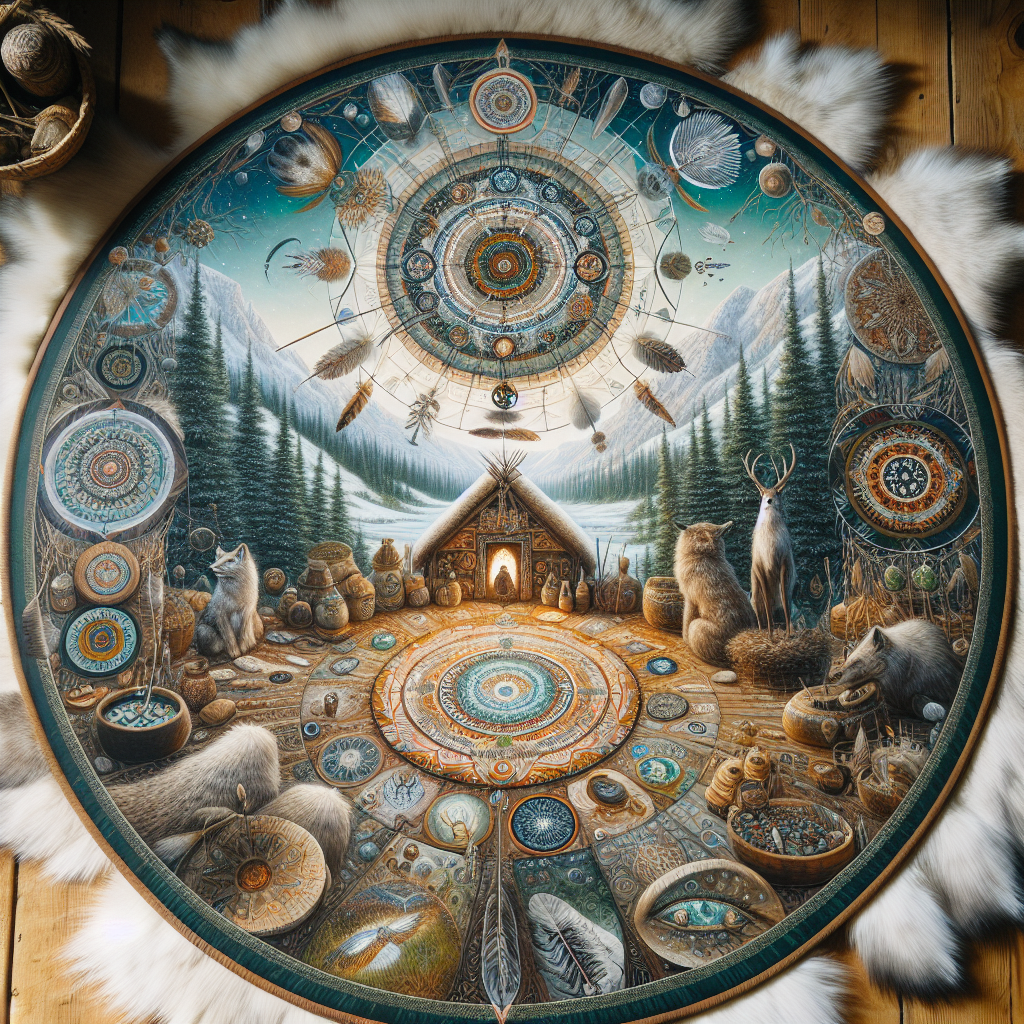
One of the most compelling aspects of Siberian shamanism is its healing practices, where art, music, and spirituality intertwine to restore balance and harmony. Shamans often act as the intermediaries between the physical and spirit world, conducting ceremonies designed to heal physical ailments attributed to spiritual imbalances. They rely on art as a means of expression to invite spirits into the healing process, enhancing the therapeutic journey.
For instance, a shaman might paint sacred symbols on the body of a patient before performing a ritualistic song, using their art not just for representation but also as a method to communicate deep emotional and psychological states. The experience is both personal and communal, uniting the community in the shared purpose of healing. It is a beautiful interaction that emphasizes the need for connection—something we all seek on some level.
“In the heart of Siberian shamanism, healing transcends the physical to embrace the spirit.”
The Impact of Modernity on Traditional Practices
As globalization sweeps across the globe, one might wonder how traditions like Siberian shamanism survive in a rapidly changing world. On one hand, many shamans are finding ways to adapt their practices, embracing new technologies and ideas while maintaining the integrity of their rituals. On the other hand, there are genuine concerns about cultural dilution and the impacts of modernization on these age-old traditions.
For example, some artists are beginning to blend traditional themes with contemporary art forms, making their work more accessible to a global audience. This synthesis both preserves the culture and encourages a more considerable appreciation of their practices among non-Siberians. Yet, the delicate balance between authenticity and innovation remains a constant conversation within the community, as older generations work hard to keep the flames of their ancestral knowledge alive.
Visiting Siberia: An Immersive Experience
To truly appreciate the rich tapestry of Siberian shamanism, nothing compares to experiencing it firsthand. There are awe-inspiring trips to Siberia that allow you to engage with the Tuvan culture while exploring its mesmerizing landscapes. Whether you’re trekking through the rugged mountains, participating in local festivals, or immersing yourself in traditional practices, every moment will envelop you in the spiritual essence of the region.
Traveling through this mystical land presents you with opportunities to purchase authentic shamanic art, from hand-painted drums to intricately carved masks. Each piece you bring home will serve as a reminder of the wisdom shared by these ancient traditions, connecting you to a broader narrative of humanity.
The Bottom Line
Understanding Siberian shamanism opens a window into a world teeming with life, connection, and artistry. From its deeply rooted traditions and rituals to the seamless integration of art into healing practices, the beauty of this culture is a reminder of our shared humanity. Whether you visit Siberia or simply dive into the literature on diverse tribal cultures through books like the Tribal Cultures of the World Book or the African Tribal Culture Book, each piece you explore will enrich your understanding of how interconnected we all are. So, why not take that step further? Engage with this incredible cultural heritage, and perhaps, find a part of yourself within it.
Affiliate links on this website may generate a small commission at no extra cost to you. This support helps sustain a project dedicated to the beauty and cultural understanding of tribal art.