Warli Art Patterns: Minimalist Storytelling in White on Red
Have you ever considered a Warli art tattoo? This mesmerizing form of Indian folk art, originating from Maharashtra, tells rich stories through striking white shapes on vibrant red backgrounds. It’s not just a tattoo; it’s a connection to ancient narratives and cultural significance.
The Roots of Warli Art
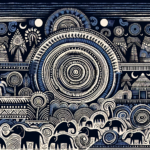
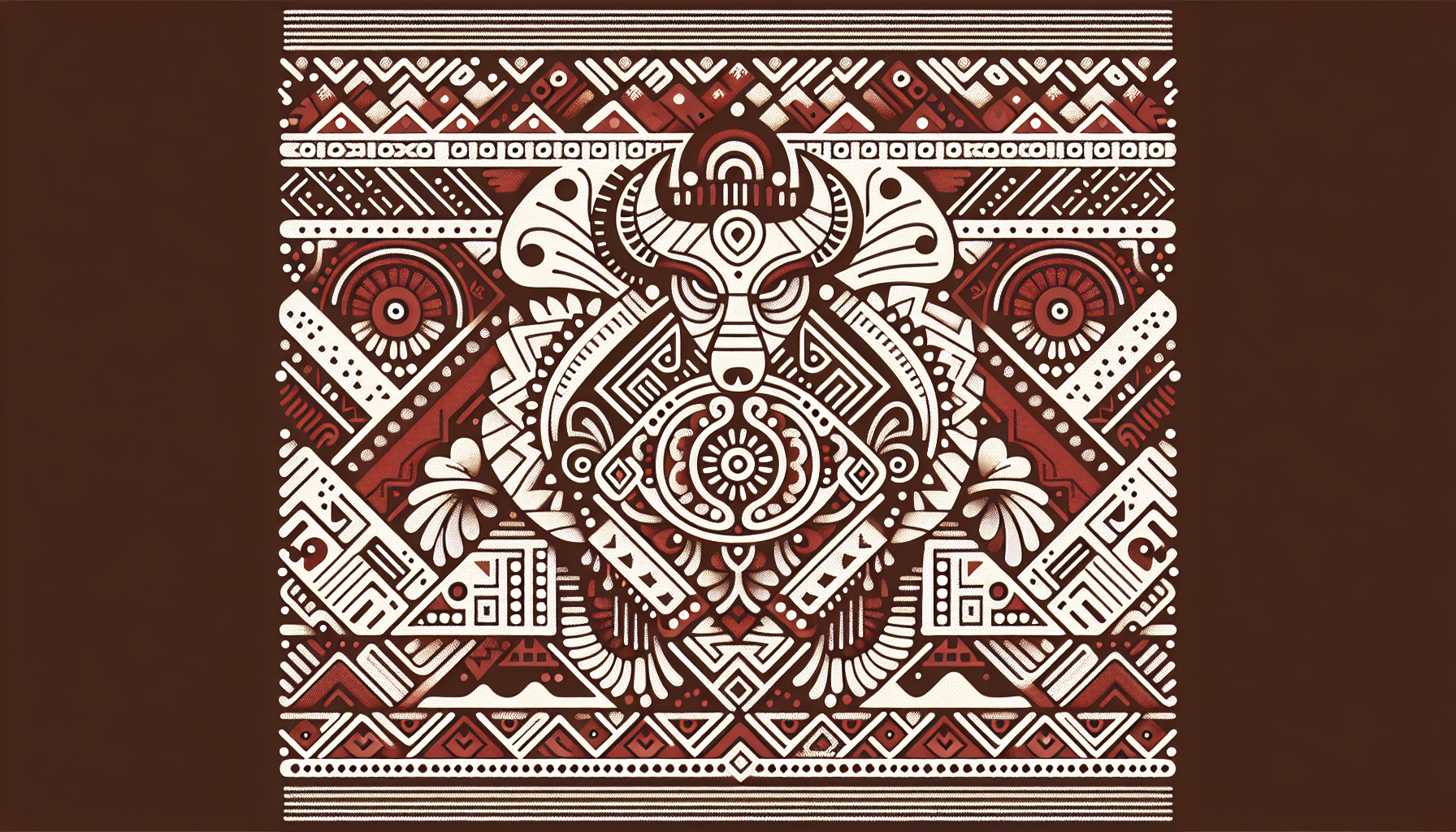
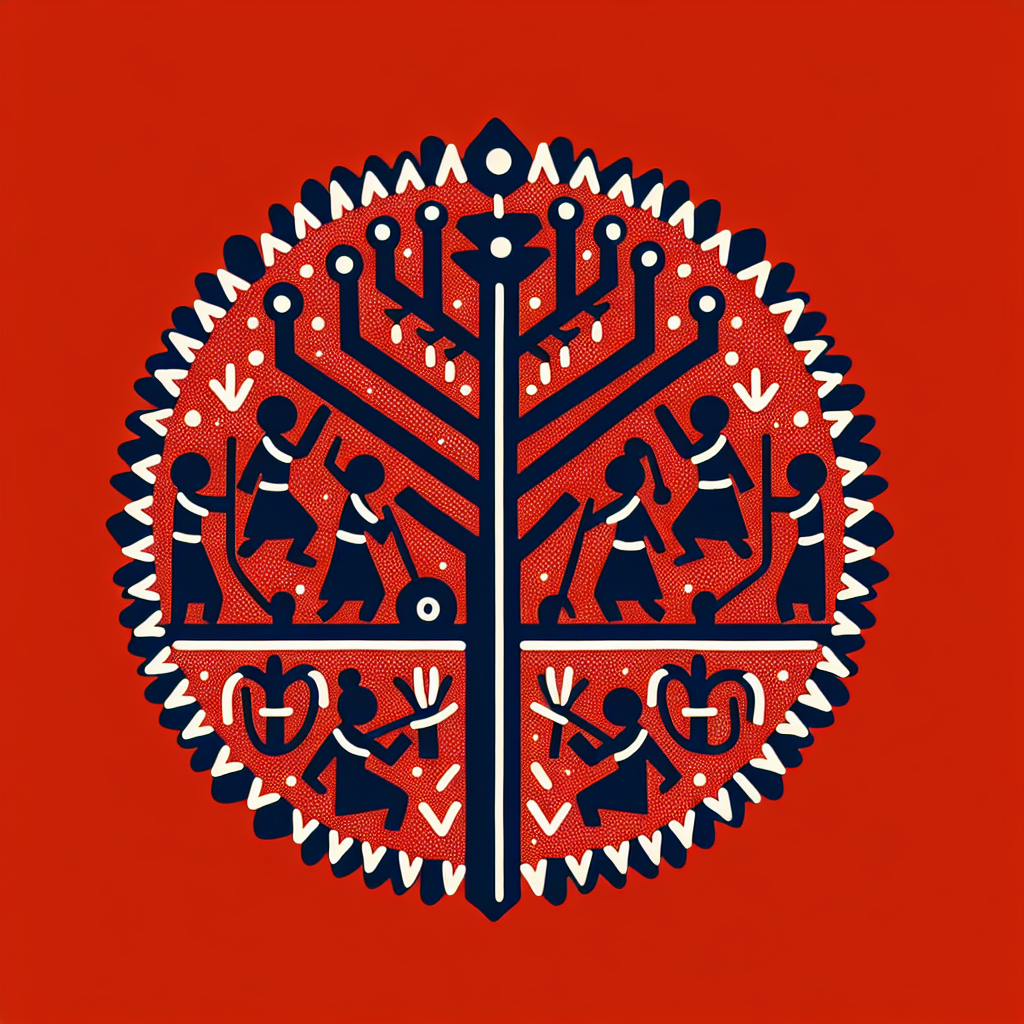
Warli art is predominantly created by the Warli tribe, one of the oldest tribal communities in India, who have been painting their history for centuries. This art form is distinct for its simplicity; the patterns primarily feature geometric shapes like circles, triangles, and squares to depict various aspects of village life, nature, and spiritual beliefs. The captivating element of Warli pattern is its ability to express complex ideas and customs through minimalist visuals. It’s fascinating to think that such intricate stories can be conveyed through these unassuming forms.
Traditionally, the Warli artists use natural pigments, mixing rice paste with colored powders and applying their art onto mud walls of their homes. The contrasting bright white figures against earthy tones not only captures attention but also showcases deep-rooted cultural practices. If you’re intrigued by the historical threads of tribal art, consider checking out a Tribal Art History Book, which explores the journeys of various tribal art forms, including Warli.
Symbolism and Storytelling in Warli Patterns
What truly sets Warli art apart is its rich symbolism. Each pattern tells a story, often with references to holistic elements like agriculture, hunting, weddings, and rituals. For instance, a simple circle might represent the universe, while an animal figure could symbolize fertility or strength. The interconnectedness of these motifs speaks volumes about the tribe’s relationship with nature and the community’s collective memory.
When you look at a Warli art design, you’re deciphering an entire narrative. One such popular motif is the depiction of dancers celebrating the harvest season. As these figures appear sculpted in their rhythmic movements, it’s magnetic to think about how such art has been passed down through generations. It makes you appreciate the shared heritage and the emotions tied to these visual expressions. If you want to explore more about the fascinating narratives behind artistic styles, an African Art and Patterns Book can expand your understanding of how different cultures communicate through their traditions.
The Influence and Modern Adaptations of Warli Art
In recent years, the appeal of Warli art has transcended its geographical boundaries, finding a home in contemporary design and decor. If you step into homes adorned with Warli patterns, you’ll likely feel a vibrant energy that blends tradition with modern aesthetics. Designers are now incorporating Warli motifs into textiles, home decor items, and even fashion. This evolution not only celebrates the roots of Warli but also keeps it alive in the modern world.
If you’re keen to get a little creative yourself, why not try your hand at recreating some Warli patterns? A Tribal Patterns Adult Coloring Book offers a relaxing experience while connecting you to these beautiful styles. The act of coloring within the intricate patterns allows you to experience the art firsthand, and who knows? You might discover your own storytelling abilities along the way.
Exploring Warli Art: Where to Find It
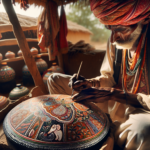
If you’re as captivated by Warli patterns as I am, you’re probably wondering where to find authentic pieces. The heart of Warli art lies in Maharashtra, particularly in areas like the Palghar district. Visiting local markets allows you to witness artisans at work, passionately creating pieces that narrate their stories. It’s a wonderful way to appreciate the craft firsthand, as well as to support the artists in their efforts to preserve their heritage.
But you don’t have to travel to India to bring this magnificent art into your life. Many online platforms allow you to explore and purchase original Warli artworks or reproductions, offering a chance to bring that unique tribal vibe into your living space. Keep an eye out for local art exhibitions that showcase such ethnic styles; you’d be surprised at how many artists are dedicated to bridging the gap between tradition and contemporary expression.
“Warli art is not just decoration, it’s a doorway into the ancient soul of a community.”
The Bigger Picture
Ultimately, Warli patterns serve as a reminder of the beauty found in simplicity and storytelling through art. It connects us to a rich cultural tapestry that spans generations. By embracing these minimalist designs, we acknowledge the persistence of tradition in a modern world hungry for depth. Whether you choose to explore Warli art through travel, purchase, or creativity, each act contributes to preserving and celebrating a narrative that is profoundly human. So go ahead, dive into the world of Warli patterns, and let their stories inspire you just as they have captivated so many before.
Happy exploring, and don’t forget to share your experiences with Warli art—because every story deserves to be told!
Affiliate links on this website may generate a small commission at no extra cost to you. This support helps sustain a project dedicated to the beauty and cultural understanding of tribal art.