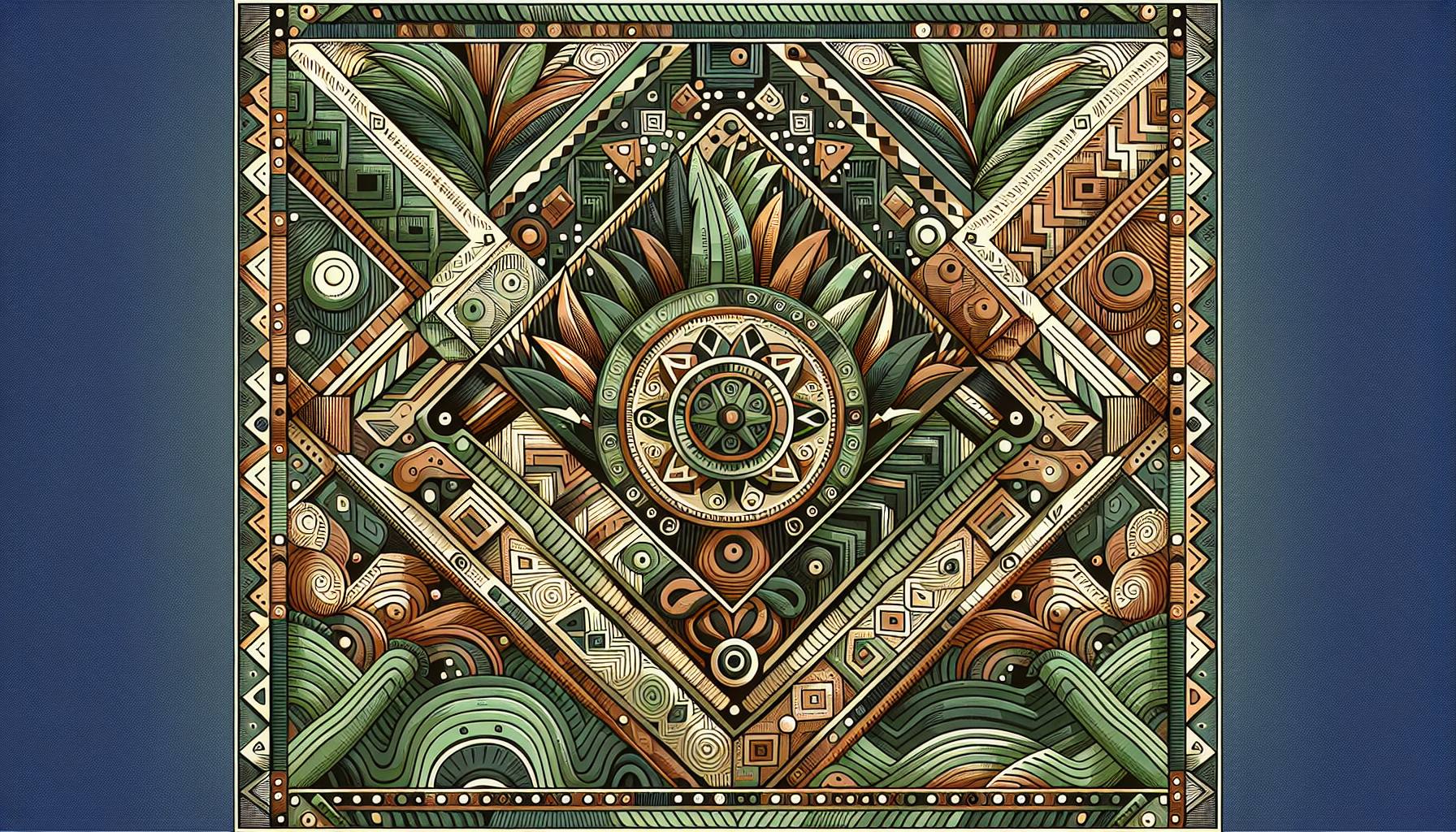
Ndebele Geometric Patterns: Bold Color and Sacred Meaning
Have you ever wondered about the tribal tattoo meaning behind vibrant Ndebele geometric patterns? Originating from the Ndebele people in South Africa and Zimbabwe, these designs are not only visually stunning but also rich in cultural significance. Let’s delve into the bold geometries that tell stories of identity and heritage.
The Origins of Ndebele Patterns
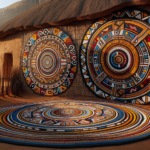
The Ndebele people are known for their striking artwork and their vibrant houses adorned with intricate geometric patterns. These designs have a rich tradition, stemming from a culture that highly values visual communication. Each of the ndewele patterns conveys important messages, whether they relate to social status, rites of passage, or ancestral tales. By using bold colors and sharp lines, the Ndebele celebrate their identity while providing a canvas for storytelling.
Historically, when the Ndebele women painted their homes, the motifs transformed homes into living galleries. Each wall became a canvas where a tale was told not only through colors but through intricate arrangements of shapes. The geometric motifs you see today are often the same ones passed down through generations, making them a living history of the Ndebele culture. In this way, every curve and angle on a wall contains the echoes of voices long gone but never forgotten. If you want to dive deeper into this fascinating art form, consider exploring books like Tribal Art History for broader context.
The Color Palette: More Than Meets the Eye
At first glance, the vibrant palette of Ndebele patterns might catch your eye, but it’s the symbolism behind these colors that enriches the art even more. Red symbolizes the earth, blue reflects the sky, and yellow signifies the sun’s warmth. While it can be easy to overlook the deeper meanings, these hues are intentionally selected to convey community values and beliefs such as unity, strength, and cultural pride.
As you look more closely at the shapes created in Zimbabwe geometric art, you’ll realize that these patterns might remind you of mathematical concepts like symmetry and balance. The Ndebele have a unique way of intertwining art and nature, with their designs often emulating the beauty of their surrounding environment. Imagine standing before one of these beautifully painted homes, the colors pulse with life, reflecting communal spirit and artistic narrative. The possibility of reinterpreting these patterns can also extend to modern art; if you’re interested, you might enjoy the African Art and Patterns book, which provides guidance on infusing these inspirations into your own creations.
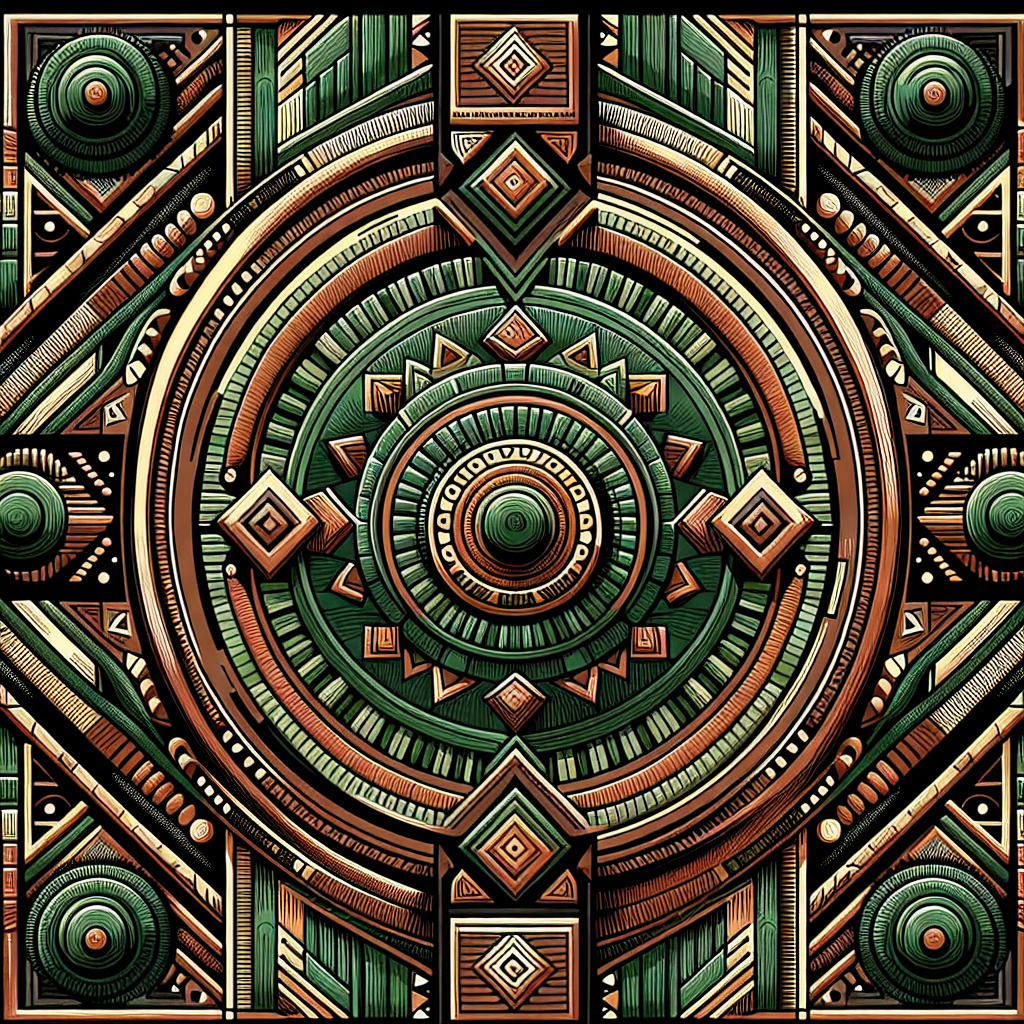
The Role of Ndebele Patterns in Identity and Community
More than just decoration, Ndebele patterns play an essential role in community and identity. These designs often facilitate conversations around lineage, spirituality, and communal values. Children may learn the stories of their ancestors through these shapes and colors as their mothers paint and decorate their homes. This passing down of knowledge creates a living tradition where the past is intertwined with the present.
The spiritual aspect is equally important; the patterns are often seen as a form of protection against malevolent spirits. During significant life events, such as marriages or coming-of-age ceremonies, the houses are adorned to ensure blessings upon the family. The act of painting together becomes a communal ritual, reinforcing bonds and encouraging shared storytelling. Your appreciation for art can deepen as you understand not just the craft but also the intentions and sentiments behind it. To explore this further, you might find inspiration in the Tribal Patterns Adult Coloring Book, where you can immerse yourself in the joy of designing your own sacred geometry.
The vibrant Ndebele patterns are a dance of colors and a symphony of shapes, narrating stories of identity, community, and sacred traditions.
Ndebele Patterns in Contemporary Art
In recent years, Ndebele patterns have transcended their traditional roots and found a place in contemporary art, fashion, and even graphic design. Artists are taking these age-old motifs and reshaping them in exciting, innovative ways that honor their origins while breathing new life into them. In this way, the bold tribal geometry weaves through modern life, reminding everyone of the rich cultural tapestry from which it came.
You’ll find Ndebele-inspired designs on everything from fabrics to home decor, reflecting how vibrant these patterns can be in contemporary settings. The accessibility of these designs serves to promote not only artistic appreciation but also cultural awareness. It’s endlessly fascinating to see how traditional elements are being integrated into today’s designs. If you’re excited about diving into this blend of old and new, consider searching for local art exhibits featuring the Ndebele or similar art forms, or explore online platforms that showcase this vibrant artwork.
Final Thoughts
As you explore the beauty of Ndebele patterns, remember that there’s more to these designs than meets the eye. They are pathways into a culture that values rich storytelling and communal bonds. Whether you’re inspired to decorate your home, create your own designs, or just to appreciate the art, the magic of these geometric shapes can resonate with anyone who encounters them.
If you feel inspired by the beauty of these bold, geometric patterns, consider adding a piece of Ndebele art to your space. Not only does it serve as an eye-catching focal point, but it also brings a captivating narrative of identity and resilience into your life. Let these vibrant pieces remind us of the intricate threads that connect us to our history and to each other.
Affiliate links on this website may generate a small commission at no extra cost to you. This support helps sustain a project dedicated to the beauty and cultural understanding of tribal art.