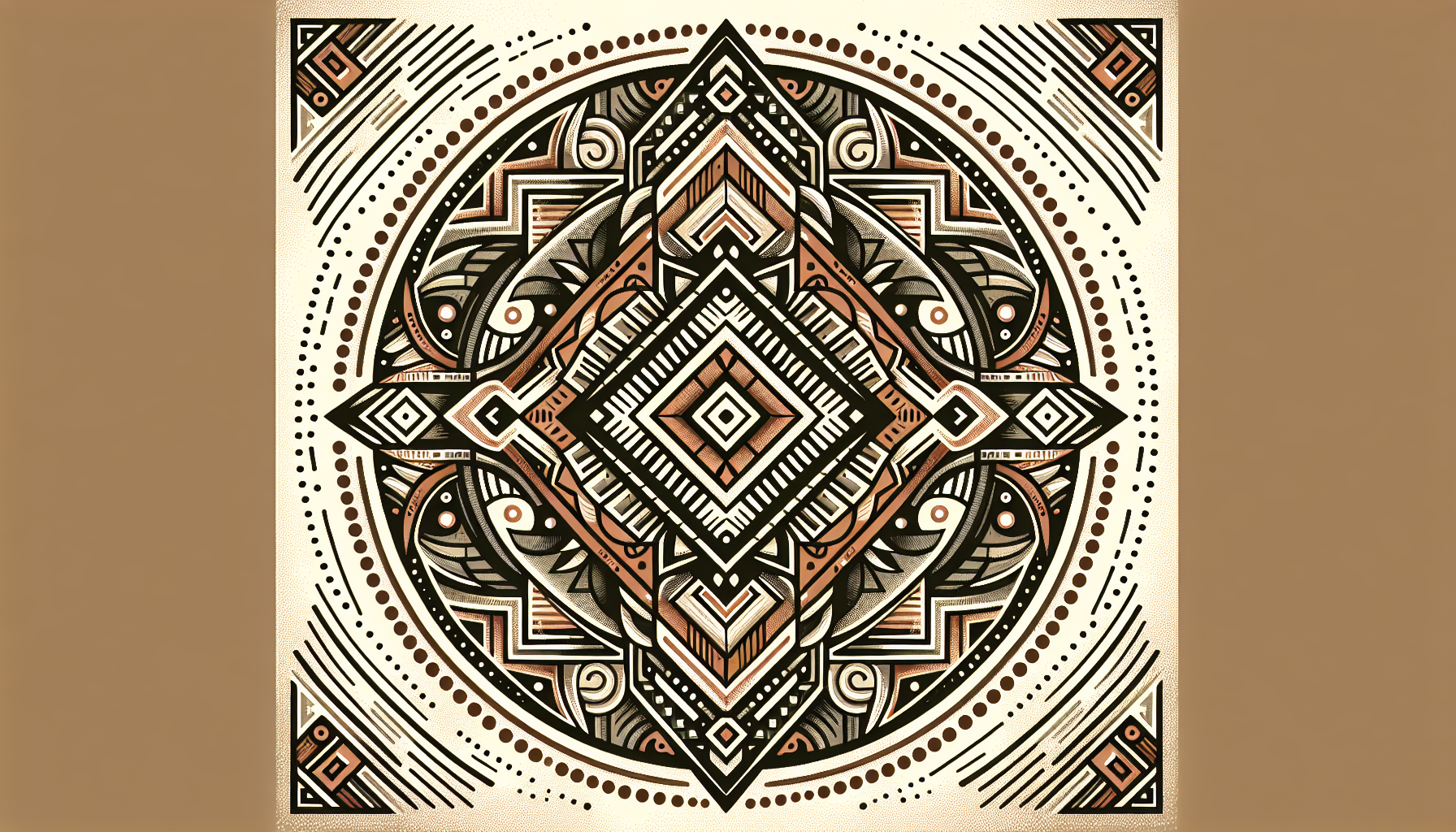
Geometric Tribal Patterns: History Design and Meaning
Are you intrigued by the tribal tattoo design meaning? These intricate geometric patterns tell stories of culture and tradition, connecting us to the artistry of Indigenous peoples. Join us as we explore the fascinating significance behind these mesmerizing designs.
The Origins of Tribal Patterns
Tribal patterns are more than just aesthetically pleasing designs; they are cultural expressions that represent the beliefs and values of a community. These patterns have their roots in ancient civilizations, where they were prominently featured in fabrics, pottery, and body art. Each region of the world boasts its unique interpretation of geometric tribal design, enriched by different cultural narratives. For example, the vibrant patterns you see in African textiles often tell stories about family heritage, social status, or spiritual beliefs.
A wonderful resource that delves into the depth of tribal art history is the Tribal Art History Book. It offers a comprehensive understanding of how these designs have evolved over time, showcasing the practices of diverse cultures. Alternatively, if you want to focus specifically on African art, the African Art and Patterns Book is a treasure trove of insights that sheds light on the vibrant patterns that define the continent’s artistic expression.
The Language of Geometric Tribal Patterns
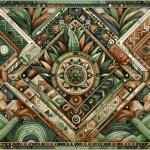
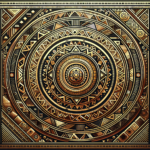
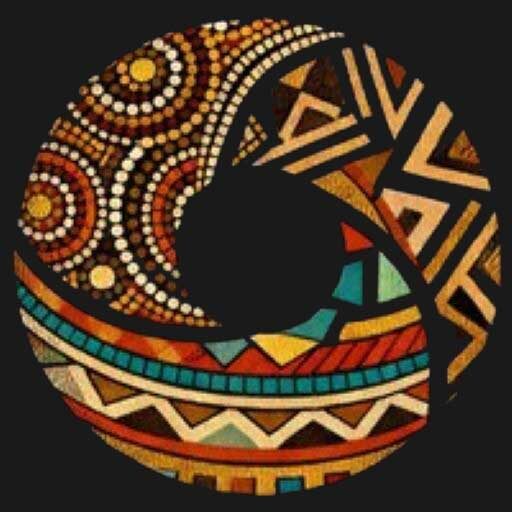
Understanding tribal patterns is like deciphering a visual language; every line, shape, and color tells a story. Geometric tribal design utilizes basic shapes such as triangles, circles, and diamonds to create complex and meaningful compositions. For instance, in Navajo weaving, a pattern featuring interlocking triangles can symbolize harmony and balance, an essential theme in their culture. Similarly, African mud cloth often uses triangles and stripes to convey different messages, with specific motifs representing fertility, love, or bravery.
Another interesting aspect of geometric tribal patterns is their connection to nature and the cosmos. Many Indigenous cultures believe that these designs reflect the rhythms and cycles of life, harmonizing man with the natural world. For instance, the Maori of New Zealand incorporate spirals and waves into their tattoos, representing their connection to water and the heavens. This beautiful interplay between nature and art can be a source of inspiration for those looking to infuse their lives with deeper meaning through creativity.
The Impact of Tribal Patterns in Contemporary Art
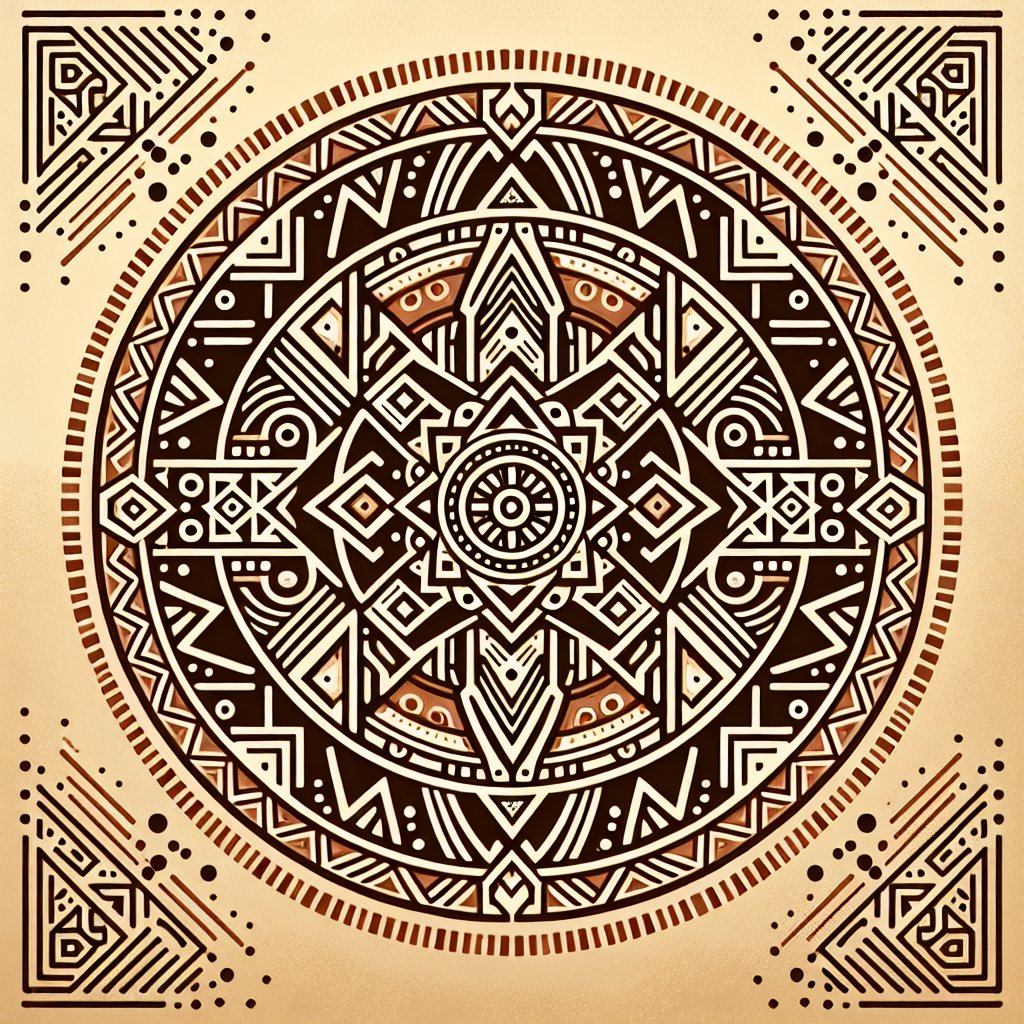
Today, tribal patterns continue to inspire artists and designers across various disciplines. From fashion to interior design, the eye-catching beauty of ethnic geometric patterns has made a resurgence, resonating with those who appreciate the authenticity and history behind the designs. Many contemporary artists adapt these traditional motifs into modern pieces, bridging the gap between ancient practices and contemporary aesthetics.
If you’re feeling inspired to get in touch with your creative side, consider exploring the world of coloring as a form of relaxation and mindfulness. The Tribal Patterns Adult Coloring Book is filled with intricate designs that pay homage to traditional art forms, allowing you to engage with these beautiful patterns in a hands-on way. It’s not only a delightful way to unwind, but it also fosters a greater appreciation for the cultural significance these designs hold.
Embracing Cultural Diversity Through Tribal Patterns
One of the most beautiful aspects of tribal patterns is their ability to foster connections among people from diverse backgrounds. As you explore these designs, you begin to understand the rich tapestry of human experiences and how artistic expression can serve as a bridge between cultures. By appreciating the craftsmanship and stories embodied in tribal patterns, you’re not just engaging with art but also with the soul of humanity.
Consider the textiles used in weddings or ceremonies around the world. Take the richly embroidered garments of the Hmong people in Southeast Asia, for instance. Their intricate patterns are not just for decoration; they often signal rites of passage or represent community identities. Each piece tells a tale of heritage, belonging, and tradition, inviting you to participate in a rich cultural dialogue.
Final Thoughts
Geometric tribal patterns are more than mere designs; they are windows into the cultural heart and soul of the communities that create them. Whether through textiles, carvings, or body art, these intricate designs carry stories of ancestry, belief, and connection with nature. As you navigate this rich realm of tribal art, you will undoubtedly find inspiration, not only about the patterns themselves but also about the cultures they represent. So, the next time you see tribal patterns, take a moment to appreciate the beauty and history woven into each line and shape, and let it inspire your creativity.
If you’re interested in broadening your understanding of tribal art further, check out the books mentioned above. They can deepen your appreciation and feed your passion for this beautiful art form. Happy exploring!
Affiliate links on this website may generate a small commission at no extra cost to you. This support helps sustain a project dedicated to the beauty and cultural understanding of tribal art.